Karakter boyutu :


Dmitri Trenin:Moskova’nın Yapması Gereken İmparatorluk Değil, Ulus İnşa Etmek

11 Temmuz 2014 Cuma Saat 00:37
Dmitri Trenin, 1 Temmuz 2014 - Financial Times,
Meydan protestoları ve sonrasında yaşananlar Rusya’yı -Ukrayna’nın da dahil olduğu- Avrasya Birliği rüyasından uyandırmadıysa, geçen hafta AB ile Ukrayna, Gürcistan ve Moldova arasında imzalanan ortaklık antlaşmalarının uyandırması lazım. Üç eski Sovyet cumhuriyeti, gevşek de olsa, AB’ye bağlandılar.
Başkan Vladimir Putin sıkça gönderme yaptığı “Rus dünyasının” bir yumuşak güç kategorisi olduğunu (jeopolitika veya jeoekonomi değil jeokültür anlamına geldiğini) ve Ukraynalılarla Ruslar’ın “tek halk” olmadığını keşfediyor.
Bu noktada Moskova kayıp olarak gördüğü şeylere hayıflanmak yerine kazanımlarını pekiştirmeli.
Post-Sovyet Ukrayna’nın Rusya devletiyle güçlü özdeşlik için olan tek parçası olduğu söylenen Kırım’ı kendisine yeniden bağlamayı başardı. Yarımadayı, özellikle de güney kıyısını, ekonomik yönden Geniş Soçi bölgesiyle aynı seviyeye getirmek için çok çalışmalı ; böylece Rusya’nın, ciddi turizm potansiyeli olan durgun bölgeleri geliştirme kapasitesine sahip olduğunu göstermeli.
Etnik Rus çoğunluk, etnik Ukraynalı azınlık (yaklaşık % 25) ve bilhassa bölgeyi tarihsel yurdu olarak gören Müslüman Tatarlar dahil olmak üzere Kırım’ın çoğulcu nüfusunun mutluluğunu hedeflemeli.
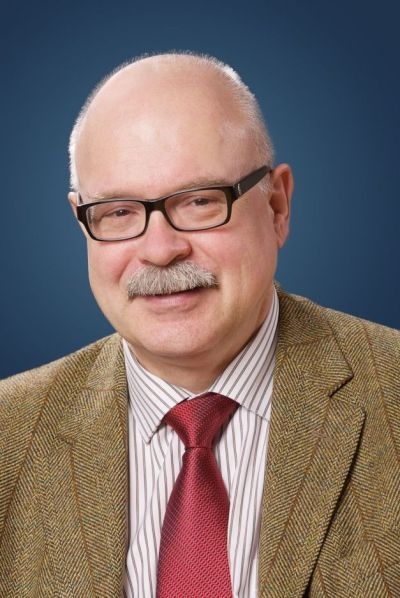
Dmitri Trenin:Carnegie Moscow Center Direktörü
Rusya’nın stratejik çıkarları Ukrayna’nın NATO’ya girmemesini gerektiriyor ve bu konuda şansı yüksek. Washington Güney Çin Denizi’nden Irak’a kadar küresel taahhütlerini dengelemeli. Ukrayna’nın çok alt sıralarda yer aldığı görülecek. Berlin ve Paris Ukrayna, Gürcistan ve Moldova’nın ittifaka katılmaması konusunda kararlılar. Londra ortak savunma sınırlarının Rusya’nın kalpgahına kadar uzatılmasını gereksiz görüyor.
Moskova Kiev ile ilişkilerinde uzun vadeli bir yaklaşım geliştirmeli ; çıkarlarını korumak adına doğudaki Donbas bölgesinde silahlı ayaklanma çıkarmaktan vazgeçip Ukrayna’nın tamamını kapsayan geniş bir siyasal stratejiye geçiş yapmalı. Rusya savunma sanayisinin Ukraynalı müteahhitlerle ilişkilerine güvensizlik hakim olurken, Moskova kendi sınırları içinde sürdürülebilir bir savunma endüstrisi kurmalı. Rusya Ukrayna ile toplam ticari ilişkilerine de dikkat etmeli ve bunu Dünya Ticaret Örgütü norm ve ilkeleriyle uyum içinde yapmalı.
Kırım ve Sivastopol dışında çok açık bir kazanım sınırı geçerek Rusya’ya giriş yapan Ukraynalılar. Ortak dil ve kültüre sahip bu insanlar mükemmel bir uyum sağlayabilirler. Moskova yeni topraklar kazanmak yerine, eski Sovyetler Birliği’nden hırslı,genç bir işgücü yaratacak ve tüketim pazarını genişletecek insanları çekmeli. Bu politika Rusya’nın refahına en çok katkıda bulunacak insanlara öncelik vermeli ; özellikle mühendisler ile uçak motoru ve füze üreten diğer çalışanlar. Eskiden Rusya için önemli olan bu sanayi işletmeleri Ukrayna’nın AB’nin ticaret koşullarına uyum sağlamasıyla küçüldü ve kapandı.
Rusya Federasyonu imparatorluktan kıta çapında ulus devlete geçişini sürdürmek zorunda. Daha çok insana ihtiyacı var ama daha fazla toprağa ihtiyacı yok. Avrasya Birliği’ni AB’nin kopyası gibi görmemeli ; onu bir tür Kuzey Amerika Serbest Ticaret antlaşması gibi düşünmeli. Yeni birliğin tutkalı ortak etnisite veya tarih değil, ekonomik çıkardır.
Moskova’nın son yirmi beş senede batıya kabul edilme çabaları başarısız oldu ; bunda bir hayır var. Batı yolu şimdilik kapalı ama seçenekleri her zamankinden daha berrak. “Kale Rusya” konseptini benimser ve ekonomik soyutlanma ile siyasal baskıcılığa kayarsa Sovyetler Birliği’nin başına gelen çapında bir felaket yaşar. Yüzünü doğuya çevirirse kendisini Çin’in ham madde deposu haline getirebilir ve Çin’e haraç veren bir ülke konumuna inebilir ; bu, Rusya’nın bağımsız güç imajını yok eder.
Küresel rekabet içinde kalmak istiyorsa yurttaşlık hukukuna dayalı bir ulus, kurallara dayalı bir yönetim şekli ve modern bir ekonomi olmaktan başka çaresi yok.
Ülkeler, insanlar gibi, başka seçenekleri olmadığı zaman doğru olanı yaparlar. Rusya’nın seçeneği hiç bu kadar kesin olmamıştı.
Kaynak:http://www.ft.com/cms/s/0/dbbbb2da-0045-11e4-a3f2-00144feab7de.html#axzz376YHRtT2
Çeviri : Dr. Ömer Aytek Kurmel
Cherkessia.net,11 Temmuz 2014
****
Moscow’s Task is to Build a Nation Not an Empire
Dmitri Trenin- July 1, 2014 ,Financial Times
If the Maidan protests and their aftermath did not disabuse Russia of the hope of a Eurasian Union that includes Ukraine, the signing last week of EU association agreements on economics and trade with Ukraine, Georgia and Moldova should have done so. Three former Soviet republics are now linked, however loosely, to the EU.
President Vladimir Putin is discovering that the “Russian world” he often refers to is a soft-power category – geocultural rather than geopolitical or geoeconomic, and that Ukrainians and Russians are not “one people”.
At this point, rather than worrying about what it sees as its losses, Moscow should consolidate its gains.
It has managed to reincorporate Crimea, arguably the only part of post-Soviet Ukraine that had a strong affinity with the Russian state. It should work hard to turn the peninsula, particularly its southern coast, into a thriving region, economically on a par with the Greater Sochi area, making it a showcase of Russia’s capacity to develop depressed areas with significant potential for tourism.
It also needs to keep Crimea’s diverse population happy, including the ethnic Russian majority; the ethnic Ukrainian minority (about 25 per cent); and, particularly, the Crimean Tatars (more than 10 per cent), Muslims who regard the territory as their ancestral homeland.
Next, its main strategic interest lies in keeping Ukraine out of Nato – and here the prospects are good. Washington has to balance its global commitments, from the South China Sea to Iraq, and Ukraine is nowhere near the top. Berlin and Paris are adamant neither Ukraine nor Georgia and Moldova should join. London sees no reason to extend the borders of common defence to Russia’s heartland.
Moscow should shift to a longer-term approach to relations with Kiev, switching from using armed rebellion in the eastern region of Donbass as a means of protecting its interests to a broader political strategy involving all of Ukraine. As the Russian defence industry’s ties with Ukrainian contractors grow unreliable, it should seize the chance to create a fully sustainable defence industry within own borders. Russia will also need to adjust its overall trade relations with Ukraine, and do so in full compliance with World Trade Organisation norms and principles.
One clear gain, besides Crimea and Sevastopol, may be the Ukrainians who cross the border into Russia. Sharing a common language and culture, they can be perfectly integrated. Rather than gathering further lands, Moscow needs to gather people from the former Soviet Union who would help it build a motivated and younger workforce, and a greater consumer base. Such a policy should favour those who can contribute the most to its wellbeing – primarily the engineers and other workers producing aircraft engines and missiles, enterprises that used to be important to Russia but face contraction or extinction as Ukraine adapts to the EU’s trading requirements.
The Russian Federation needs to continue its transition from an empire to a continent-size nation state. While it needs more people, it does not need more land. It should not think of the Eurasian Union as a replica of the EU but rather as a kind of North American Free Trade treaty. Economic interest, rather than common ethnicity or shared history, is the glue to seal the new association.
Moscow’s longing, in the past quarter century, to be admitted into the west has suffered a setback: it should see this as a blessing in disguise. With its occidental option closed for now, its choices are clearer than ever. If it embraces a “fortress Russia” concept and practises economic isolation and political repression, it will head for a catastrophe on the scale of the Soviet Union’s. If it turns east, it will make itself a raw materials appendage and a tributary of China, destroying its self-image as a strategically independent power.
If it wants to stay in the game of global competition, it has no choice but to work towards becoming a civic nation, a rules-based polity and a modern economy.
Countries, like people, often do the right thing when all other options are closed. For Russia, the choices have rarely been starker.
Dmitri Trenin:Director, Moscow Center
Bu haber toplam 2711 defa okundu.


Bu habere yorum eklenmemiştir. İlk yorumu siz ekleyin.