Karakter boyutu :


Gürcistan : Yol Haritasında En Önemli Şey, Varış Noktasıdır

11 Temmuz 2014 Cuma Saat 00:51
Tedo Japaridze,3 Temmuz 2014
Gürcistan yaklaşık bir nesildir Avro-Atlantik yörüngede bulunuyor. Tiflis seçkinlerle halkın mutabakatına dayanan Batı yolunda yürümeye içtenlikle devam ediyor. Hükümet 27 Haziran 2014’de Avrupa Birliği ile –yeni bir dönüm noktası anlamına gelen- Ortaklık Antlaşması’nı imzaladı.
Tiflis’i Avrupa’ya yakınlaştıran her adım kamuoyunda coşkuyla karşılanır. Bu coşkuyu ateşleyen “Avrupa’ya geri dönüş” vizyonu, bağımsızlığın ilanından yirmi küsur yıl sonra güncelliğini korumaya devam ediyor.
Aynı “Avrupalı” vizyonu takip eden Gürcistan, NATO’nun Barış için Ortaklık (BiO) programına seve seve katkıda bulundu ; Gürcistan Kosova, Afganistan ve Akdeniz’deki ortak operasyonlara en fazla katkı yapan ülkeler arasında yer alıyor. Programın başından beri Rusya’nın da ortak deniz tatbikatlarına faal olarak katıldığını belirtmek gerekiyor. Eylül ayında Galler’de yapılacak NATO Zirvesinde Tiflis’in Üyelik Eylem Planı (ÜEP) statüsü almak istediği biliniyor. Gürcistan bir değerler topluluğu olan Avro-Atlantik camiaya katılmak için beşeri veya maddi hiçbir bedelden kaçınmadı.
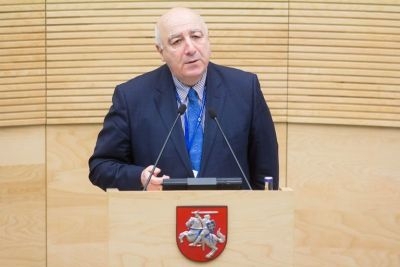
Tedo Japaridze:Gürcistan Parlamentosu Dışişleri Komitesi Başkanı
Gürcistan izlediği batılı yolun Rusya tarafından bir tehdit olarak algılanmaması için mümkün olan her adımı son zamanlarda attı. Moskova ile ihtilafı yumuşatmak için girişimlerde bulundu. Soçi Olimpiyatı öncesinde ve esnasında, Tiflis Rus Kuzey Kafkasyası’nı istikrarsızlaşma niyetinde olmadığını gösterdi. İki ülke arasındaki ticaret hacmi büyüyor. Geçmişi simgeleyen olumsuzluk tarihe karıştı.
Gürcistan bölgede yapıcı bir rol üstlenmek istiyor. Burası Astana ve Bakü’den Ankara’ya, oradan da Avrupa’ya uzanan enerji ve ulaşım yolunun üzerinde oturan bir transit ülke ; burası Ermenistan’ın Rusya da dahil olmak üzere dünyaya açılan kapısı. Büyük Kafkasya’dan Geniş Ortadoğu’ya ve Orta Avrupa’dan Orta Asya’ya giden yollar da Tiflis’ten geçiyor. Denize kıyısı olmayan Orta Asya’nın Avrupa pazarına tek erişimini Gürcistan sağlıyor.
Siyaseten, Gürcistan Avrupa’nın “kenarında” bulunuyor. Gürcistan’ın, bağımsızlık ilanından beri ideolojik ve siyasal olarak benimsediği egemenlik, demokratik yönetişim ve serbest ticaret ilkelerine Rusya saygı duymuyor. Gürcistan Batı’nın içinde yer almasa da, Batı’ya ait. Gürcistan’dan Eylül ayında Galler’de ÜEP statüsü almayı beklememesi istendiğine göre, NATO’nun kolektif güvenlik sistemine katılma ihtimali çok düşük görünüyor. Avrupa ve “Avrasya” (Rusya) ticaret rejimleri bir araya gelemeyeceği için ortak ticari rejim oluşturmak da imkansız. Güney Kafkasya küresel pazara başarıyla eklemlenecek bir bölgecilik modeli oluşturmak yerine, her biri ayrılıkçılıkla boğuşan münferit devletlerden meydana geliyor. Bölgeye ayrışma egemen.
Yine de, Gürcistan’ın olduğu gibi olmaktan ve mensup olduğu yere ait olmaktan başka şansı yok. AB ile Ortaklık Antlaşması çok büyük sevince yol açmamalı, NATO’nun ÜEP statüsü vermemesi de hayal kırıklığı yaratmamalı. Gürcistan zorlu bir yola çıktı, kullanabileceği tek harita varış noktasına Gürcistan halkının karar vereceği harita olacak.
Tedo Japaridze Gürcistan Parlamentosu’nda dışişleri komitesi başkanıdır; komitede Gürcistan Rüyası koalisyonunu temsil etmektedir. Daha önce ulusal güvenlik danışmanı, dışişleri bakanı ve Gürcistan’ın ABD büyükelçisi görevlerinde bulunmuştur.
Kaynak: http://carnegie.ru/eurasiaoutlook/?fa=56075
Çeviri : Dr. Ömer Aytek Kurmel
Cherkessia.net, 10 Temmuz 2014
***
Georgia: In a Roadmap, the Most Important Thing Is the Destination
Tedo Japaridze ,July 3, 2014
For nearly a generation now, Georgia has been on a Euro-Atlantic trajectory. The current government in Tbilisi has been unequivocal in its determination to continue this policy which enjoys both elite and grass root consensus. On June 27, 2014, it signed an Association Agreement with the European Union, another milestone on this path.
Every time Tbilisi appears to be coming closer to Europe, this is hailed with enormous public opinion enthusiasm. Essentially, this sentiment is still powered by the vision of “a return to Europe,” which, more than twenty years since our independence, is anything but passé.
Pursuing the same “European” vision, Georgia has been an enthusiastic contributor to NATO’s Partnership for Peace (PfP) program being one of the most significant contributors in joint operations in Kosovo, Afghanistan, and the Mediterranean. By the way, Russia used to be an active participant of that program since the inception in conducting joint naval exercises in which they practiced techniques of communicating, maneuvering and jointly operating at sea. It is no secret that Tbilisi is now seeking a Membership Action Plan (MAP) at the NATO Summit in Wales this September. Georgia has spared no cost, human or material, to join the Euro-Atlantic community of values as a contributor rather than a “free rider.”
Recently, however, Georgia has taken every possible step to ensure that its western trajectory does not appear threatening to Russia. It has taken steps to deescalate conflict with Moscow. In the run-up and during the Sochi Olympics last February, Tbilisi made it clear that it was not seeking to destabilize the Russian North Caucasus. Bilateral trade has been growing. The explosive symbolism of the past is history.
Georgia is seeking a constructive regional role. It is a transit country that sits on an energy and transport highway from Astana and Baku to Ankara and, thereon, to Europe; it is Armenia’s gateway to the world, including to Russia. There are plenty more routes going through Tbilisi, from the greater Caucasus to the greater Middle East and from Central Europe to Central Asia. Georgia today is the only access from land-locked Central Asia to the European market.
Politically, Georgia is “on the fringes” of Europe. Russia shares little if any commitment to sovereignty and democratic governance and free trade that Georgia has embraced, ideologically and politically, since its independence. Georgia is of the West, even if not in the West. In view of the fact that Tbilisi has not been encouraged to expect the granting of a MAP this September in Wales, the hope of joining NATO’s collective security system remains elusive. Since European and “Eurasian” (Russian) trade regimes remain mutually exclusive, there is no hope for a common trade regime. And rather than regionalization paving the way to successful globalization, the South Caucasus amounts to little less than the sum of its individual states, each tormented by separatism. Across the region, fragmentation prevails.
And yet, Georgia has no choice but to be what it is, and where it is. The successful conclusion of the EU Association Agreement should not lead to too much elation, and the expected disappointment over NATO’s MAP should not be a reason for frustration. Georgia’s road is hard, but the only map it can use is one whose destination is decided by the Georgians themselves.
Tedo Japaridze: is chairman of the foreign affairs committee in Georgia’s parliament, where he represents the Georgian Dream coalition. He has served as Georgia’s national security advisor, foreign minister and ambassador to the United States.
Bu haber toplam 2642 defa okundu.


Bu habere yorum eklenmemiştir. İlk yorumu siz ekleyin.