Karakter boyutu :


Ruslar Peri Masalına Daha Ne Kadar İnanacak ?

13 Ağustos 2014 Çarşamba Saat 09:43
Lilia Shevtsova, 25 Haziran 2014
Kırım’ın ilhakının ardından Kremlin’in Rus toplumunu askeri-yurtsever çizgide başarıyla seferber etmesi şu acı gerçeği teyit etti : Rus devleti ve ulusal kimliğinin temelinde hala düşman arayışı var. Son 20 yılda Rus toplumu yeni bir ulusal düşünce bulmayı ve yeni bir kapsayıcı sosyal ve normatif yapı inşa etmeyi beceremedi. Mevcut rejim iktidarını tehdir eden alternatifleri tasfiye etti. Kremlin’in gündemi belli : bireylerin yurttaşa dönüşme sürecini engellemek ve ulusu “poddanye” (devletin köleleri) statüsüne geri döndürmek.
Sosyal bağlar oluşturma ve birbiriyle iletişim kurma yetenek ve arzusunu kaybetmiş bireylerden oluşan atomize toplum –kum toplumu- kolayca manipüle edilebiliyor. Milyonlarca Rus Kırım’ın ilhakını, “Rus Dünyası” fikrini ve Ukrayna’da Rusça konuşan nüfusun desteklenmesi “ortak çıkar”, “ortak kader” ve “adalet” olarak algılayabiliyor. Ne var ki askeri-yurtsever dalganın Rusya’da işlevsel olabilmesi barışçıl olmasına, sokaktaki adamın hayatını tehdit etmemesine ve cüzdanına dokunmamasına bağlı.
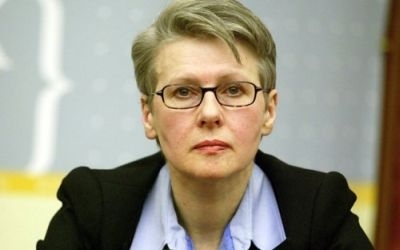
Lilia Shevtsova: C.M.Center Rusya İç Politika ve Siyasal Kurumlar Programı Kıdemli Ortağı'
Bu arada, Ukrayna’nın doğusundaki ilan edilmemiş askeri çatışma nihayet çirkin yüzünü gösterdi : düzinelerce Rus paralı askerinin naaşı tabutlar içinde sessizce memleketlerine getirilerek güvenlik servisi mensuplarının bakışları altında defnedildi. Askeri ve sivil makamlar “Kocanı (oğlunu) Ukrayna’ya biz göndermedik” diyerek acılı ailelere sırtlarını döndüler. Bu tavır kolayca açıklanabilir : Rusya halkı gerçek bir savaşa ve kan dökülmesine hazır olmadığı için yetkililer kayıpları gizliyorlar. Ne var ki halk kendine gelmeye başladı. Rahatsız edici gerçeklerle yüzleşildikçe Kırım sonrası coşku kayboluyor.
Ukrayna’nın güneydoğusunun ilhakı düşüncesi artık kitleler tarafından desteklenmiyor. Putin hala eleştirilmiyor. Ama halk yetkililer hakkında eskisi gibi kötümser : son Levada anketlerine göre deneklerin sadece % 12’si Rus makamlarının “dürüst” olduğuna ve % 22’si “iyi takım” oluşturduklarına inanıyor. Sadece % 11 resmi makamlarla sıradan yurttaşların çıkarlarının örtüştüğünü düşünüyor.
Kremlin devletin savunulacak ve itaat edilecek tek değer olduğunu kanıtlamak için savaş siyasetine başvurduğunda bile sadece % 47 devletin çıkarlarının bireyin çıkarlarından önde geldiğine inanıyor. Deneklerin % 39’una göre bireyin çıkarları daha önemli. Demek ki askeri-yurtsever ilacın etkisi geçmeye başlamış.
Kremlin kırılgan yapısının farkında ve şunu soruyor : şimdi ne yapmalı ? Düşmanla yeni bir muharebe mi ? Moskova ile Kiev arasında tırmanan gerilim Kremlin’in yeni bir askeri hamle (veya askeri müdahale) yapmaya hazırlandığını gösteriyor. Oysa Rus halkı bu bedeli hayatıyla ödemek istemiyor.
Kaynak: http://www.carnegie.ru/2014/06/25/how-long-russians-would-believe-in-fairy-tale/hefj
Çeviri : Dr. Ömer Aytek Kurmel
Cherkessia.net, 13 Ağustos 2014
***
How Long Russians Will Believe in Fairy Tale ?
Lilia Shevtsova, June 25, 2014
The amazingly successful military-patriotic Kremlin mobilization of the Russian society after the Crimea annexation has confirmed the sad truth: Russian state and national identity is still based on the search for the enemy. During the last two decades of the post-Soviet evolution, Russian society has failed to find another national idea and create a new cohesive social and normative structure. The current political regime has been trying to prevent any popular consolidation on the horizontal level, attempting to liquidate the threat of any anti-regime alternative. The Kremlin’s agenda is clear: to undermine the process of transforming individuals into citizens, and to return the nation toward total submissiveness and the status of “poddanye,” that is, the state slaves.
Atomized society composed of individuals who have lost both the ability and the desire to create social ties and communicate with each other—“a sand society”—gets easily manipulated. For millions of Russians, Crimean annexation, the idea of the “Russian World,” and support for the Russian speaking population in Ukraine has become an imitation of the “common interest,” “common destiny”, and reflection of “justice.” However, the military-patriotic tide could work in Russia only if it is peaceful, does not threaten the lives of the ordinary citizen, and does not require them to open their wallets.
Meanwhile, the undeclared military conflict in the Ukrainian East has gradually demonstrated its ugly side: dozens of coffins with killed Russian mercenaries are silently brought to their native towns and secretly buried under the watchful eyes of the security services. The authorities, both civilian and the military, turn away from the families of the deceased, saying “We did not send your husband (son) to Ukraine!” This attitude could be easily explained: the Russian population is not ready for a real war and bloodshed, which is why the authorities try hide the truth about casualties. However, the sobering among the population has started. There are signs that the feeling of Post-Crimea euphoria is gone as the uneasy return to reality sets in.
There is no more mass support for annexation of the Ukrainian South-East. Putin is still excluded from criticism. But people’s attitude toward the authorities has returned to the old sour moods: according to recent Levada polls, only 12 percent of respondents believe that the Russian authorities are “honest” and 22 percent think that they are “a good team.” Only 11 percent of respondents believe that the authorities have the same interests that ordinary Russians have.
In the situation when the Kremlin turns to the war policy trying to prove that the State is the only value and has to be defended and obeyed, only 47 percent think that the interests of the state are more important than interests of an individual. And 39 percent of respondents are convinced that the interests of the individual are more important. This means that the military-patriotic drug has started to wear off.
The Kremlin understands its fragile nature and has to deliberate: what to do next? A new battle with the enemy? Growing tension between Moscow and Kiev shows that the Kremlin is playing with another military (or threat of military involvement) solution. But Russians are not ready to pay for it with their lives.
Senior Associate
Russian Domestic Politics and Political Institutions Program
Moscow Center
Bu haber toplam 3132 defa okundu.


Bu habere yorum eklenmemiştir. İlk yorumu siz ekleyin.