


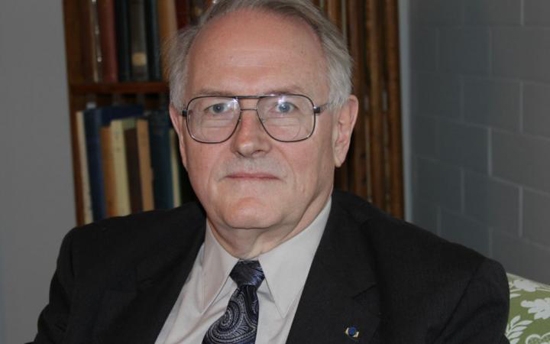
Paul Goble, 25 Ocak 2010
Viyana–Önde gelen bir Çerkes örgütüne göre birleşmiş bir Çerkes cumhuriyeti Rusya Federasyonu’nun toprak bütünlüğü için “tehdit oluşturmuyor”. Buna karşılık Rus kökenli bir Kuzey Kafkasya uzmanına göre Moskova’nın Sovyetlerin dayattığı bölünmüşlüğü koruması veya daha kötüye götürmesi halinde ülke için ciddi sorunlar doğurabilir.
Çerkesler Stalin tarafından – Adigeler, Kabardeyler, Çerkesler ve Şapsığlar olmak üzere- dört değişik etnik gruba bölünmüştü. Adigeler kendi idari birimine sahipler. Kabardeyler ve Çerkesler başka gruplarla ortak idari birimlerde yaşıyorlar. Şapsığlar’ın ise statüsü yok. Son 20 yılın büyük bölümünde Çerkesler Rusya içinde tek bir cumhuriyetin kurulmasını talep ettiler.
En açık çağrı geçen Kasım’da Karaçay-Çerkes’de yapıldı. Çerkes halkının olağanüstü kongresinde bu konuda karar alındı. Ancak hem diğer etnik grupların liderleri hem de Rusya yetkilileri bu karara tereddütsüz karşı çıktılar.
En sert eleştiri cumhurbaşkanının Güney Federal Bölgesi’ndeki tam yetkili temsilcisi Vladimir Ustinov’dan geldi. Ustinov 22 Aralık’ta Federasyon Konseyi üyelerine yaptığı konuşmada tek Çerkes cumhuriyetinin kurulmasının –komşu bölgeler ve radikaller üzerinde yapacağı etkiden dolayı- “ateşe körükle gitme” anlamına geleceğini kaydetti.
Ustinov’a göre Çerkeslerin birleşmesi “bölgenin parçalanması” sonucunu doğuracak. Bölgede atılacak bu “talihsiz adım” Rusya’nın geneli için “gerçek bir tehlike” oluşturacak. Dolayısıyla Moskova bu konuyu gündemine almayacak.
Karaçay-Çerkes Adiğe Khase başkanı Muhammed Çerkesov bu konuda bir açıklama yaptı. Çerkesov geçen hafta Kavkaz-uzel.ru sitesine yaptığı açıklamada Çerkeslerin meselesine ilgi duyduğu için Ustinov’a minnet duyduklarını ama yanlış bilgilendirilmiş olmasından endişe ettiklerini söyledi (www.kavkaz-uzel.ru/articles/164515/).
Çerkesov’a göre Ustinov’un yorumu “bildirgelerimizi dikkatlice okumadığını veya yanlış bilgilendirildiğini” gösteriyor. Çerkesov’a göre, en önemlisi “Çerkesler asla Rusya’dan ayrılmayı istemediler”.
Çerkesov’a göre Çerkesler “var oluşlarını Rusya dışında görmüyorlar” ve “tek-etnili bir cumhuriyet” kurmak istemiyorlar. Çerkesler Rusya’ya daha fazla entegre olmak istiyorlar. Etnik Ruslar’ın “denge ve istikrar unsuru olarak Çerkes cumhuriyeti içinde yaşamaya devam etmelerini” arzu ediyorlar.
Çerkesler resmi makamların izniyle Karaçay-Çerkes içinde Nogay ve Abaza bölgeleri kurulmasından hareket ederek Rusya içinde birleşmiş bir Çerkesya talep ediyorlar. “Adigey, Kabardey-Balkar ve Karaçay-Çerkes’in mevcut sınırları içinde yeni bir bölge kurulmasının mümkün olduğuna” inanıyorlar
Çerkesov’a göre “Rusya’da ulusal bölgelerin kurulması resmi olarak yasak olmasına rağmen Nogay ve Abaza bölgeleri kuruldu”. Dolayısıyla Çerkesler şöyle düşünüyor ; “ulusal bölgelerin kurulması resmi makamların çıkarlarına uygun olduğunda buna izin veriyorlar. Ama söz konusu Çerkesler olduğunda bu talep bir tehdit olarak algılanıyor”.
Çerkesov sınır değişikliği olmayacaksa birleşmiş Çerkesya’nın neye benzeyeceğini söylemedi. Bitişik olmayan bölgelerı kapsayacağı kesin. Ama eğer Rusya toprakları içinde birleşmiş Çerkesya fikri Kuzey Kafkasya’daki çoğu Çerkes tarafından benimsenirse, Moskova’nın bu talebi dikkate almaması ileride ciddi sorunlara yol açabilir.
Bölge üzerindeki en üretken Rus yorumculardan Sergey Markedonov, yeni kurulmuş Kuzey Kafkasya Federal Bölgesi’nin yöneticisi Aleksandr Hloponin’in karşı karşıya olduğu sorunlarla ilgili analizinde Çerkes toplumunun bölünmüşlüğünün en ciddi problemler arasında sayılması gerektiğini söyledi (www.politcom.ru/9469.html).
Yorumcuya göre kısa süre önceki iki gelişme buna sebep oldu. Birincisi, Moskova Abhazya’yı tanıma kararı –liderleri son on yıldır pasifleşmiş- Çerkes ulusal hareketini canlandırdı. İkincisi, yeni federal bölgenin kurulması Çerkes halkını öncekinden daha da bölünmüş hale getirdi. Adiğeler Güney Federal Bölgesi’nde kalırken diğerleri Kuzey Kafkasya Federal Bölgesi içinde yer aldılar. Bu kararı her iki taraftaki Çerkesler protesto ediyor.
Markedonov’un verdiği bilgiye göre, geçmişte Sovyetler Birliği Komünist Partisi Karaçay-Çerkes Özerk Oblastı parti komitesi ikinci sekreteri olan ve şimdi Adiğe Khase Konseyi başkanlığını yürüten Umar Temirov bu hafta yaptığı açıklamada “hem Rusya İmparatorluğu hem Sovyet iktidarında acı çekmiş Rusya Çerkesleri’nin sorunlarını hatırlama zamanının geldiğini” söyledi.
Moskovalı analizciye göre,Rusya makamlarının sorunu yok sayma politikası değişmediği takdirde bu ulusçu diriliş daha “radikal” biçimlere bürünebilir. Rus yetkililer şimdiye kadar meseleyi görmezden geldi ve Adigey’in Rusya Federasyonu içindeki Çerkes topluluğu için sembolik ve pratik önemini anlamamakta ısrar etti.
Krasnodar Krayı içindeki konumuna, küçük yüzölçümüne ve Çerkes nüfusun azlığına rağmen Adigey 1990’lardan bugüne “Çerkes nüfusunun yaşadığı diğer cumhuriyetler ve kraylar için” ‘model’ oldu.
Markedonov 1990’lı yıllarda Adigey’in etnik hakları savunmak adına federal yasaları ihlal ettiğini kaydediyor. Bu ihlallerden en çarpıcı olanı, etnik Ruslar’ın cumhuriyet nüfusunun % 68’ini oluşturmasına rağmen yerel parlamentoda Çerkeslere ve Ruslara eşit sayıda koltuk ayrılmasıydı.
Markedonov’a göre Çerkes “sorunu” daha kötüye gidebilir : “İnsan psikolojisi ve etno-kültürel etkenler dikkate alınmadan ve tartışılmadan dar bir teknokrat grubu tarafından alınan sert kararlar Kuzey Kafkasya’da arzu edilen istikrarın yerleşmesine değil, tam tersi sonuçlara yol açar”.
Çeviri : Dr. Ömer Aytek Kurmel
Cherkessia.net, 15 Eylül 2014
****
Unified Circassia Said No Threat to Russia, But a Divided One Could Be
Paul Goble, January 25, 2010
Vienna – A unified Circassian republic “is no threat” to the territorial integrity of the Russian Federation, a leading Circassian organization says, but Moscow’s maintenance or even exacerbation of Soviet-imposed divisions could well presents the country with serious problems, according to a leading Russian analyst of the North Caucasus.
For most of the last two decades, the Circassians, who were divided by Stalin into four different ethnic groups – the Adygeys, the Kabards, the Cherkess, and the Shapsugs, one which has its own political unit, two of which are combined with another group, and one without such a territory – have called for the formation of a single republic within Russia.
The clearest such call came last November when an extraordinary congress of the Circassian people meeting in Karachayevo-Cherkessia adopted a resolution on this point, something to which both the leaders of other ethnic groups and Russian officials rejected out of hand.
The sharpest rejoinder came from Vladimir Ustinov, the presidential plenipotentiary for the Southern Federal District. On December 22, he told members of the Federation Council that any moves to create a single Circassian republic, because of its impact on neighboring areas and on the radicals, would pour “grease into the fire” spreading across the North Caucasus.
That is because, Ustinov said, the unification of the Circassians would involve “the dismemberment of the region.” And such “a misfortune” in that region would represent “a real danger” for Russia as a whole. Consequently, the plenipotentiary said, Moscow will not consider it.
Now, Mukhammed Cherkessov, the head of the Adyge Khase organization of Karachayevo-Cherkessia, has responded. In comments to Kavkaz-uzel.ru at the end of last week, he said that the Circassians have reason to be grateful to Ustinov for paying attention to their concerns but fear that he may be misinformed (www.kavkaz-uzel.ru/articles/164515/).
Ustinov’s comments, Cherkessov continued, show that either Ustinov was “not acquainted with our declarations and the specifics of our demand or someone had simply informed him incorrectly.” Most importantly, he said, “none of the Cherkess, Kabards, and Adygeys never said that [the Circassians] want to leave Russia.”
According to Cherkessov, the Circassians “do not see their existence outside of Russia” and are not interested in forming “a mono-ethnic republic.” Instead, he pointed out, the Circassians want to become more integrated in Russia and want ethnic Russians living among them to “remain living on the territory of the republic as a stabilizing factor.”
A major reason behind current Circassian demands for the creation of a single unified Circassia within Russia is that they can see how the powers that be have formed a Nogay and an Abaza district inside of Karachayevo-Cherkessia.” Consequently, “it is possible to form a new region in the existing borders of Adygeya, Kabardino-Balkaria and Karachayevo-Cherkessia.”
Formally, Cherkessov notes, “the creation of national districts in Russia was prohibited. But then the Nogay and Abaza districts were created in precisely that way.” Thus, the Circassians can see that “when the organs of power need such a structure, it will be made, but when this question concerns the Circassians, then somehow they see in this a threat.”
Cherkessov did not say what a unified Circassia would look like if there were no border changes. It would certainly include various non-contiguous territories. But if a unified Circassia within Russia would meet the demands of most Circassians in the North Caucasus, Moscow’s refusal to consider that possibility points to real problems ahead.
In an analysis of some of the challenges facing Aleksandr Khloponin, the head of the newly created North Caucasus Federal District, Sergey Markedonov, one of Russia’s most thoughtful commentators on that region, argues that the divisions within the Circassian community are among the most serious (www.politcom.ru/9469.html).
Two recent events have made this so, he suggests. On the one hand, Moscow’s recognition of Abkhazia has revived the Circassian national movement, many of whose leaders had become less active over the last decade. And on the other, the creation of the new federal district leaves the Circassian people more divided than before.
Not only does this latest step do nothing to address the Circassian demands, but it leaves the Circassian people divided between two federal districts, the Adygeys in the Southern Federal District, and all the others in the North Caucasus Federal District, something that Circassians on both sides of this new line are protesting.
Umar Temirov, a leader of the Council of Adyge Khase who earlier was second secretary of the CP SU Karachayevo-Cherkessia AO obkom, said this week, Markedonov says, that “the time has come to remember the problems of the Russian Circassians (Adygeys) which suffered both from the Russian Empire and from Soviet power.”
This nationalist revival, the Moscow analyst suggests, will acquire ever more “radical” forms if as has been the case up to now Russian officials ignore the situation and fail to understand the way in which Adgyeya is both symbolically and practically important for the remainder of the Circassian community in the Russian Federation.
Despite its location within Krasnodar kray, its small size, and the small percentage of Circassians in its population – roughly a quarter of the total – Adygeya during the 1990s and since that time has served as “a ‘model’ region’ for the other republics and krays with Circassian populations.”
In the 1990s, Markedonov recalls, Adygeya set records for violating federal law so as to defend ethnic rights. Among the most notorious of these was that its constitution called for an equal number of seats for Circassians and for Russians in the republic parliament, even though ethnic Russians formed 68 percent of the population.
Tragically, he suggests, the Circassian “problem” may now get worse: “The harsh technocratic decisions taken by a narrow group of people without discussion or an appreciation of human psychology and a mass of ethno-cultural factors can lead not to the desired stabilization [of the North Caucasus] but rather toward entirely different outcomes.”


Teşekkürler Aytek!
Goble gibi usta bir yazar/ yorumcunun, çok çok önermli bir makalesini Türkçe'ye kazandırdığın için teşekkürler...