


 Martin Ehala, 9 Mayıs 2014
Kısa süre önce Londra’yı ziyaret ettim. Yurtdışında Estonca dersi veren öğretmenlere konuşma yaptım. Onlara dünya dillerinin yüzde 50 ila 90’ının 21. yüzyılda muhtemelen yok olacağını söyledim. Sonra bir soru sordum :Tüm dilleri kullanılma oranlarına göre sıralarsak Estonca nerede yer alır ?
Dinleyicilerin yarısı alttaki 3.000 içinde diye cevap verdiler. Postimees gazetesinin sanal versiyonunun birkaç yıl önce yaptığı araştırma da benzer bir sonuç çıkmıştı. Halkımızın önemli bir bölümünün kaderine razı olduğu anlaşılıyor. Estonca sevimli bir dil ama ne yazık ki çok az insan tarafından konuşuluyor. Dolayısıyla yok olması kaçınılmaz.
Dilimizin gelişme seviyesine bakıldığında dünyada en gelişmiş birkaç yüz dil arasında bulunduğu görülür. Estonca ulusal bir dil ve Avrupa Birliği’nin resmi dillerinden biri. Estonya’nın Estonca eğitim sistemi her seviyede uluslararası standardı karşılıyor. Buna Estonca gazetecilik, şiir, düzyazı, televizyon ve radyo programları ve sinemayı eklemek lazım. Eston dilinde teknoloji sürekli gelişiyor.
Dili konuşanların sayısı temel alındığında Estonca dünyadaki en büyük 400 içinde ; en küçük 3.000 içinde değil. Özetle, ortalama Estonyalı Estonca’yı olduğundan on kat zayıf algılıyor.
Bu değerlendirme muhtemelen Estonya nüfusunun düşük artış hızından ve son yıllarda artan dış göçten kaynaklanıyor. Göç edenler çoğunlukla genç bekar kadınlar. Estonya’nın dışında karışık evlilik yapma ihtimalleri yüksek. Bu da nüfusun azalmasına katkıda bulunuyor. 20 yıl sonra Estonyalıların sayısı küreselleşen dünyada Eston dilini ve kültürünü yaşatmaya yetmeyebilir.
Küçük Estonya
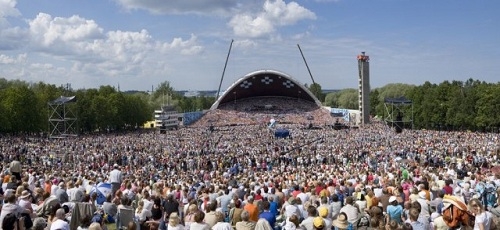
Estonyalı kimliğinin geleceği tek başına demografik faktöre dayanmıyor. Estonyalı’yı nasıl tanımladığımıza da bağlı. Estonyalı’nın anadil olarak Estonca konuştuğuna, Tamsaare’yi sevdiğine ve Şarkı Yarışması’ndan büyük keyif aldığına inanılır. Ben bu Estonyalı tanımına “Küçük Estonya” diyorum. Küçük Estonya demografik sebeplerle giderek ufalıyor.
Küçük Estonya’nın yanıbaşında “Büyük Estonya” duruyor. Ne yazık ki Büyük Estonya çoğunlukla görmezden geliniyor. Küçük Estonya’nın istenmeyen çocuğu gibi. Ama Büyük Estonya geliştikçe varlığını inkar etmek imkansızlaşıyor. Onu uzaklaştıracak mıyız yoksa kabul edip sevecek miyiz ? Buna bir karar vermemiz gerekiyor. Büyük Estonya’yı kabul edersek gelecek biraz daha aydınlık görünüyor.
Estonyalı yüz genç kadının Estonyalı yüz genç adamla evlendiğini varsayalım. Mevcut trend bu evliliklerden 180 çocuğun dünyaya geleceğini öngörüyor. Yani yeni nesil bir öncekinden sayıca az olacak. Ama aynı 200 Estonyalı genç yabancılarla veya yerli olmayan Estonyalılarla evlenirlerse 360 çocuk doğacak. Bu önemli bir artış. Ama çocukların kendilerini Eston kabul etmeleri koşuluyla.
Bu durum Küçük Estonya konseptine uygun değil. Çünkü çocuklar aynı anda iki kültüre ait olacaklar ve değişik dilleri konuşabilecekler. Estonlukları mutlak ve bölünmez olmayacak. Başka bir kimlikle karışacak.
Küçük Estonya anlayışına göre karışık evlilikten doğanlar gerçek Estonlar olmayacaklar. Aynı anlayışa göre Estonya yurttaşları olmalarına ve Estonca’yı akıcı konuşmalarına rağmen yerli Ruslar da gerçek Estonlar sayılmıyor. Küçük Estonya ne çift kimliği ne de çifte vatandaşlığı kabul ediyor. İnsan sadece Küçük Estonya çekirdek kimliğine ait olabiliyor.
Küçük Estonluk hepimizin içinde derinlerde yaşıyor ve birilerini ötekileştirmek için fırsat kolluyor. Yaşlılar için düzenlenen dans festivalinde dansın yasaklanması başka nasıl izah edilir ? Ya da Estonca’yı aksanlı konuştukları için dış ülkelerde yaşayan Estonların korolarını Şarkı Festivaline katılmaktan men etmek ?Rus koroların Şarkı Festivaline katılarak kendi dillerinde şarkı söylemeleri düşüncesi Küçük Estonya için küfür anlamına gelir. Küçük Estonya aykırı fikirler taşıyan veya yabancılarla fazla yakınlaşan Estonları dışlamaya hazırdır.
Küçük Estonya bundan gurur bile duyar. Giderek küçülen bir Estonya’da yaşamanın ona göre sakıncası yoktur. Küçük Estonya borçlanmaz, onun yerine yeterince karlı olmayan tüm faaliyetleri yasaklar.
Küçük Estonya düşüncesi belki bir süre için uygulanabilir ama bir gelecek vadetmiyor. Bu zihniyetten kurtulmazsak ulus olarak son başarımız bağnazlığımız yüzünden kendi sonumuzu getirdiğimiz için Darwin Ödülü almak olur.
Büyük Estonya
Maalesef Küçük Estonya zihniyetinden kurtulmak çok zor. Ulusal varlık üzerindeki tehdit algısı arttıkça Küçük Estonyalılık da güçleniyor ve katılaşıyor. Tehlike karşısında savunmaya geçmek doğal bir tepkidir. Son on yıl içinde tehdit algısını güçlendiren çok şey yaşadık. Bunlar arasında Bronz Gecesini, Gürcistan Savaşını ve Ukrayna’da halen yaşananları sayabiliriz.
Ama ulusça içe kapanma bu gibi durumlarda yarar yerine zarar getiriyor. Korku sebebiyle herşey siyah beyaz görünüyor ve esnek çözümler bulma yeteneği azalıyor. Bu kısır döngüden çıkmanın tek yolu korkuyu yenmek ve cesur hamleler yapmak. Kaybedecek fazla bir şey yok.
Bir benzetme yapalım.Bahçeniz varsa hasat toplamayı umarsınız.Yeterince yağmur olduğu sürece sorun olmaz. Susuzluk durumunda iki seçeneğiniz vardır : bahçeyi sularsınız veya yağmurun yağmasını ümit edersiniz. Ama sonsuza dek bekleyemezsiniz. Bir noktadan sonra tüm ürün kavrulacaktır. Diğer yandan sussuzlukta su pahalıdır ve sulama beraberinde başka masraflar getirir. Borçlanmak gerekebilir. Küçük Estonya bu yolu tercih etmez. Ürünü riske atar. Biz Büyük Estonya gibi düşünmeliyiz. Bahçenin sulanması gerekiyorsa borçlanılır ve hasat kaldırılır. Hasat borcu öder.
İlk yapılması gereken şey Büyük Estonya’ya gelişmesi için gerekli olan kaynakları sunmak. Dünyadaki tüm Eston topluluklar, Eston Evleri desteklenmeli. Pazar okulları, korolar ve dans kulüpleri için daha fazla para ayrılmalı. Bunlara Estonya’daki çocuk kamplarını, Şarkı veya Dans Festivallerine gezileri ve Estonyalı şarkıcıların, yazarların ve şairlerin ziyaretlerini de dahil edebiliriz.
Büyük Estonya’yı Estonya’nın sınırları içinde canlandırmak için daha da çok paraya ihtiyaç olacak. Hayata tutunamamış Estonları ve yerli Rusları beraberce istihdam edebilmek için profesyonel ordu büyütülmeli. Bu insanların görev sırasında kariyer yapmaları, takdir görmeleri ve kan kardeşi olmaları gerekiyor. Taşrada karışık-etnili kurtarma ve polis ekipleri kurulması, dolgun maaşların yerel nüfusu cezbetmesi lazım. Ülke çapında hastaneler kurulmalı ve tıp fakültesi mezunlarına tatminkar ücretler verilmeli. Rusça eğitim veren okulların bulunmadığı yerlerde Estonya okulları isteklilere Rus dilini ve kültürünü öğrenme fırsatı vermeli. Örneklerin sayısı artırılabilir.
Eston olmakla ilgili sorunlar (demografi, entegrasyon, bölgesel kalkınma ve güvenlik) bu yolla çözülebilir veya hafifletilebilir. Büyük Estonya’nın yükselişini gerçekten görmek istiyorsak sulamaya başlamanın zamanıdır. On yıl sonra çok geç olabilir.
Martin Ehala: Profesör ,Tartu Üniversitesi
Çeviri : Dr. Ömer Aytek Kurmel
Cherkessia.net, 2 Ekim 2014
****
In Search of the True Estonian
Martin Ehala, May 9, 2014
Not long ago, as I was visiting London, I spoke to a room full of teachers of Estonian language abroad. I told them that 50-90 percent of the world’s languages will probably become extinct during the 21st century. I followed with a question: If we’d line up all the languages in the world according to vitality, where would the Estonian language end up?
For about half of the listeners, the answer was: somewhere among the bottom 3000. The online version of the Postimees newspaper conducted a similar Gallup a few years ago with the results not being much better. As it turns out, a significant part of our fellow natives is peacefully going on with their lives, all the while thinking that the Estonian language is a lovely thing – but unfortunately too small, and thus destined to die out.
When one takes a look at the level of development of our language objectively, it takes a position among the few hundred most developed language cultures in the world. Estonian language functions as the national language and one of the official languages of the European Union. Estonia has an Estonian language-based educational system on all levels that meets the international standard, as well as a rich native tongue-based culture (journalism, poetry, prose, TV and radio programs, film). Estonian language-related technology is steadily progressing — creating language interfaces to computer programs, speech synthesis, and machine translation.
Based on the number of people speaking the language, Estonian is among the world’s largest 400, not the smallest 3000. To put it briefly, the average Estonian considers the Estonian language to be about ten times weaker than it really is.
This evaluation is probably influenced by the fact that the birth rate of Estonians is low and the exodus has grown abruptly in recent years. As the people leaving the country are largely young single women, who are likely to form a mixed family far from Estonia, it accelerates the decrease in population additionally. After just a couple of decades, the number of Estonians might not be great enough to sustain the Estonian language and culture in the world that is developing at an accelerating tempo.
The Small Estonia
Still, the future of being Estonian doesn’t solely depend on demographic processes. It has to do with how we understand the essence of being Estonian as well. Mainly, it is thought that an Estonian is a person who speaks the Estonian language as a native tongue, loves Tammsaare and feels greatly affected at the Song Festival. This definition stresses the valuable core of being Estonian. Unfortunately, for many this core is the whole Estonia. I’d name this kind of being Estonian ‘the Small Estonia’. The Small Estonia is truly becoming smaller and smaller because of the demographic processes.
But next to the Small Estonia exists the ‘Big Estonia’. Unfortunately, the Big Estonia is like an unwanted child of the Small Estonia, ignored for most of the time. But as the Big Estonia is growing, we can’t deny its existence anymore. We have to decide what to do with it — if we’ll give it away or accept and love it. If we decided to accept the Big Estonia, the future would look a little brighter.
Let’s conduct a little imaginary experiment. If a hundred young Estonian women get married to a hundred Estonian young men, resulting in 180 children, as current trends seem to indicate, the next generation is smaller than the one before. But if the same 200 young Estonian people find their spouses from the entire world or from amongst the non-native Estonians, resulting in 360 children, it would be a really significant growth. However, this is only in the case that those children consider themselves to be Estonians.
This wouldn’t fit the current concept of the Small Estonia, as such kids would inevitably exist in two cultures simultaneously and possess really different language abilities. Their Estonian-ness would not be absolute and indivisible, but mixed with some other identity.
According to the sense of the Small Estonia, they wouldn’t even be true Estonians. According to the sense of the Small Estonia, our Russians are not true Estonians, either, even if they happen to be citizens of Estonia and speak fluent Estonian. They just have to appreciate their Russian heritage to be excluded from the Small Estonia. The Small Estonia does not tolerate a double identity, not to mention double citizenships; one can only be a Small-Estonian at the core, with no additional conditions approved.
The Small Estonian-ness exists deep within many of us, continuously looking for a chance to exclude somebody. How else to explain the idea of banning dancing at the dance festival for senior citizens? Or, in the case of the Song Festival, to restrict the participation of choirs of Estonians abroad based on the accent? The idea that Russian choirs could perform some Russian-language songs that are important to their identity at the Song Festival is blasphemy to Small-Estonians. A Small-Estonian is ready to exclude from Estonians those who come up with thoughts such as these, as well as those communicating too closely with strangers.
The Small Estonia is even proud of it all. It sees no fault in living in a shrinking Estonia where the nature is beautiful and there’s lot of room to be alone. The Small Estonia never takes a loan, it shuts down all activities that aren’t profitable enough instead — cutting corners on schools, firefighting, police; using the shed for the fire material first, then the sauna.
The Small Estonia has created an idea of an endlessly shrinking sustainable Estonia to itself, something akin to the turtle escaping Achilles forever. It could work for some time but not for long. If we cannot get free of the Small-Estonian mindset, our last national achievement would be the Darwin Award for becoming extinct due to our own bigotry.
The Great Estonia
Unfortunately it’s really hard to get rid of the Small-Estonian mindset. The greater the national feeling of being endangered is, the stronger and more rigid the Small-Estonian-ness becomes. In a situation of danger it is a natural reaction to adopt a defensive position, so the instability decreases. And during the last ten years there have been many events that have increased the feeling of danger, such as the Bronze Night, the Georgian war, or the things that are currently happening in Ukraine.
Still, the national convergence doesn’t help in cases of such danger; rather, it complicates the situation further. Because of the fear, the ability to distinguish between different shades of grey and to find flexible solutions decreases. There is no other way to get out of this vicious circle than to defeat the existential fear and make brave moves. There is not much left to lose.
Let’s use an analogy. If you have built a garden, you hope to have some harvest. When there’s enough rain, it’s no problem. In case of a drought, there are two possibilities: watering the garden or hoping that rain will start. But there is a time limit for the waiting. After a certain moment, the entire harvest could be lost. On the other hand, water is expensive during the drought and there are expenses necessary for watering. It’s quite likely that a loan is needed. A Small-Estonian doesn’t go this route, putting the whole harvest at risk. If we wish for the Great Estonia, we have to think in the Great-
Estonian way — if the garden needs watering, taking a loan is not out of the question, so the harvest is not lost. Afterwards, the harvest will allow the loan to be repaid.
The first thing that needs to be done is to give the Great Estonia the resources it needs to grow. Anywhere in the world where there are Estonian communities, Estonian Houses should get substantial backing. Money must be found for Sunday schools, choirs, dancing clubs, as well as for children camps in Estonia, trips to the Song Festival or Dance Festival and visits from Estonian singers, writers, and poets – much more than right now.
The professional army must be increased substantially to offer an output for disappointed and disaffected young men of both nationalities. They must have the chance to make a career, gain appreciation, and become blood brothers during the missions. Mixed-nationality rescue and police departments should be created in the countrysides, with salaries and bonuses that would really be attractive for the local men. Country hospitals should be extended and good salaries used for attracting medical graduates. Estonian schools should offer possibilities to learn Russian language and culture as the first language in places where there are no Russian schools, but enough interested people. There could be many other measures.
All of this together would make it possible to solve or at least alleviate many problems essential to being Estonian — demography, integration, regional development, and safety. If we really want to see the rise of Great Estonia, it is high time to start watering — ten years from now it might already be too late.
Professor of Literacy Education at the University of Tartu Institute of Estonian and General Linguistics


Çerkeslerede lazım böyle profesörler
08 Ekim 2014 Çarşamba Saat 01:21