Karakter boyutu :


Anne Applebaum:Özgür Kiev’e Hoşgeldiniz!

21 Ekim 2014 Salı Saat 16:24
Anne Applebaum
Varşova- 11 Temmuz 2014
Geçen ay Andrey Kuznetsov yaşadığı St. Petersburg kentini terk ederek Ukrayna’ya uçtu. Kiev hava limanında siyasal iltica talebinde bulundu. Görevliler şaşkındı. Hiç iltica etmek isteyen biriyle karşılaşmamışlardı ; özellikle de Rusya’dan gelen biriyle. Bir süre ne yapacaklarını bilemediler. Kuznetsov’un Özgürlük Radyosu muhabirine söylediğine göre nihayet “turist olarak giriş yapmama izin verdiler ve iltica etmek isteyenleri yönlendiren bir BM sitesinin linkini verdiler”.
Kuznetsov hiç uyum sıkıntısı yaşamadı : “Rusya yurttaşı olduğum için hiç kimse bana ön yargılı davranmıyor. Burada Rusya’da olduğundan çok daha fazla ifade özgürlüğü var. Çok daha özgürce, sansürlenmeden, FSB’nin arayıp sorular sormasından korkmadan bloğumu yazabiliyorum”. Bir başka Rus mülteci Aleksey Baranovski de aynı fikirde : “Gazeteci olarak burada çalışmak çok daha basit, çünkü medya piyasası daha rekabetçi. Ücretler Rusya’dan daha düşük ama konuşma özgürlüğü daha fazla ve sizin gibi düşünen medya mecraları bulmak mümkün”.
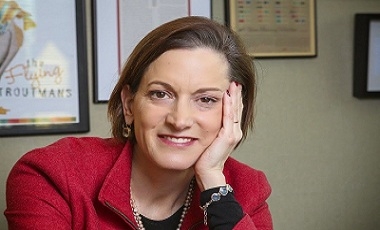
Anne Applebaum haftada iki kez The Washington Post gazetesinde dış politika üzerine köşe yazıları yazıyor.
Ayrıca Legatum Enstitüsü (Londra) bünyesindeki Küresel Geçiş Programı yöneticisidir.
Bu iki örnek tipik olmayabilir. Sayıları da şiddet sebebiyle Ukrayna’nın doğusunu ve Kırımı terk ederek Rusya ve Ukrayna’nın batısına sığınmak zorunda almış binlerce Ukraynalı’dan daha az.
Ama Kiev’e yerleşen yeni Rus dalgası çok önemli bir değişimi yansıtıyor. Kısa süre önce kıdemli, tanınmış bir Rus gazeteci beni görmeye geldi. İş arıyordu, ne iş olsa yapardı. Daha doğrusu Rusya dışında iş arıyordu. Başına kötü bir şey gelmemişti ama iklimin gazetecilik için olumsuz hale gelmesinden, hükümet propagandasının rahatsız ediciliğinden ve kendisi gibi yabancı arkadaşları ve bağlantıları olan insanlara yöneltilen düşmanca tavırdan kaygı duyuyordu.
Sovyetler Birliği ile özdeşleşmiş olan “çıkış vizesinin” yeniden uygulamaya konması ihtimali de onu endişelendiriyordu. Kırım’ın istila ve işgal edilmesinden beri birkaç milyon Rus’un ülkeden çıkması yasaklandı. Bunların arasında –başkalarının yanında- İçişleri Bakanlığı, Savunma Bakanlığı, Federal Hapishane Servisi, Başsavcılık Ofisi ve Federal Göç Servisi çalışanları var. Toplam 4 milyon civarında devlet memuru ülke dışına çıkamıyor. İçlerinden çok azı her hangi bir devlet sırrına vakıf. Yasağın amacı Rusların dışarıdaki güzellikleri görmesini engellemek ve rejime sadık kalmalarını sağlamak.
Bu seyahat yasağından çekinen bir çok kişi ülkeyi terk etti. Birleşmiş Milletlere göre 2013 yılında 40.000 civarında Rus siyasal sığınma hakkı istedi ; Suriye’yi saymazsak bu dünyadaki en yüksek rakam. Bazıları Avrupa’ya, hatta Hindistan ve Tayland’a gidiyor. Dubai sokaklarında artık Rusça duyuluyor.
Ama özellikle bir grup Rus için Kiev’in farklı bir çekiciliği var. Ukrayna’da yaşam standardı Moskova veya Avrupa’ya göre düşük olsa bile Kiev iki dilli bir şehir. Rus göçmenlerin dillerinden vazgeçmeleri gerekmiyor. Üstelik yeni hükümet yazarları, gazetecileri ve aktivistleri bunaltmıyor. Uzun süre Ruslar ve neredeyse herkes tarafından taşra başkenti olarak horlanan Kiev, Moskova’yı fazla baskıcı bulanlar için entelektüel sığınak olma yolunda.
Bu tür göç geçmişte de yaşanmıştı. Devrimi (Bolşevik—ç.n) izleyen şiddetten kaçan yazarlar, sanatçılar, aristokratlar, işadamları ve aydınlar Rus kültürünü ülke dışında yeniden inşa etmeye başladılar. Bir çoğu Prag’a, diğerleri Paris’e gitti. Vladimir Nabokov’un “1937 yılında bitirdiği “Armağan” adlı romanının kahramanı Berlin’de bir pansiyonda yaşar ve Rusça şiirler yazar. Kendini mülteci Rus edebiyat eleştirmenlerine beğendirmek için can atar. Tıpkı eskiden yaşadığı Moskova’da olduğu gibi.
1930’ların Berlin’i gibi, bugün Kiev de bir cennet değil. Ukrayna ordusu ülkenin doğusunu geri almak için kanlı bir savaş veriyor. Rusya’nın tehditleri eksik olmuyor. Henüz birkaç gün önce başka bir kıdemli Rus yetkili Ukrayna’nın Avrupa ile imzaladığı ılımlı ortaklık antlaşmasını Rusya’nın egemenliğine tehdit olarak niteledi. Daha müreffeh bir toplum olmanın önünü açacak ekonomik ve siyasal reformlar Ukrayna’nın bu tür saldırganlığa vereceği en etkili cevap olacak. Kiev Rusça gazeteciliğe, televizyonculuğa ve nihayet şiir ve edebiyata başlarsa iki ülke arasındaki fark daha netleşecek.
Çeviri : Dr. Ömer Aytek Kurmel
Cherkessia.net, 21 Ekim 2014
****
Welcome to Free Kiev, Anne Applebaum
WARSAW-July 11, 2014
Last month, Andrei Kuznetsov left his native St. Petersburg and flew to Ukraine. When he arrived at the Kiev airport, he asked for political asylum. The bemused guards, unaccustomed to any sort of asylum-seekers, let alone Russian asylum-seekers, couldn’t figure out what to do with him. Finally, he told a Radio Liberty reporter, “they let me in as a tourist and gave me the link to a U.N. site with procedures for applying for asylum.”
Since arriving, Kuznetsov has found it easy to adapt: “There’s no prejudice against me as a Russian citizen. There’s much greater room for personal expression here than in Russia. So I can continue to blog much more freely, without censorship, without fear that the FSB [the Russian secret police] is going to call and ask questions.” Another compatriot, Aleksei Baranovsky, feels the same way: “It’s much simpler for a journalist to work here, because the media market is competitive. The pay is lower than in Russia, but there’s greater freedom of speech and it’s possible to find media outlets that correspond with your core beliefs.”
They may not be typical, and they may not yet be numerous. They certainly don’t outnumber the thousands of Ukrainians who have been displaced by violence in eastern Ukraine and Crimea, some of whom are now refugees in Russia and others of whom have made their way to western Ukraine.
But the new wave of Russians settling in Kiev does reflect a momentous change. Not long ago, a quite senior, quite well-known Russian journalist came to see me. He was looking for a job — any job. Or rather, any job outside Russia. Nothing bad had happened to him, but he was worried about the worsening climate for journalism, the shrill tone of government propaganda and the general hostility toward people like himself — people with foreign friends and connections.
He was also worried about the possible reinstatement of the “exit visas” for which the Soviet Union was once notorious. Since the invasion and occupation of Crimea, several million Russians have been forbidden to leave the country. These include employees of the Interior Ministry, Defense Ministry, Federal Prison Service, Prosecutor General’s Office and Federal Migration Service, among others. In total, about 4 million government employees are now unable to travel abroad. Few if any of them — secretaries, clerks, drivers, lawyers — possess anything resembling a state secret. The purpose of the ban is rather to prevent Russians from seeing that the outside world is attractive in any way and to keep them loyal to the regime at home.
Many who fear these travel bans — as well as capital controls, a new ban on swear words and restrictions on blogging — have already left. According to the United Nations, about 40,000 Russians asked for political asylum in 2013, the largest number of any country except for Syria. Some go to Europe, or even India or Thailand. Russian is now a common language on the streets of Dubai.
But for a certain kind of Russian, Kiev holds a particular attraction. Although the standard of living in Ukraine is still low by either Moscow or European standards, Kiev is a bilingual city. Russian emigres don’t have to give up their language. More to the point, its new government doesn’t discourage writers, journalists and activists. Long dismissed by many Russians — and by almost everyone else — as nothing more than a provincial capital, Kiev is set to become an intellectual refuge for those who find Moscow too oppressive.
There is a precedent for this kind of migration. After the destructive violence that followed the Russian revolution, writers, artists, aristocrats, businessmen and intellectuals slowly began to reconstruct Russian culture outside of the country. Many went to Prague, others to Paris. The hero of Vladimir Nabokov’s novel “The Gift,” finished in 1937, lives in a Berlin boardinghouse, writes Russian poetry and craves the approval of emigre Russian critics, just as if he were still at home in Moscow.
If Berlin was no haven in the 1930s, neither is Kiev. The Ukrainian army is still fighting a vicious war for control of the eastern part of the country, and Russian threats are frequent and ominous. Just a few days ago, yet another senior Russian official described Ukraine’s mild association agreement with Europe as a deliberate challenge to Russian sovereignty. Economic and political reforms leading to a more prosperous society are Ukraine’s best answer to this kind of aggression. And if Kiev begins producing great Russian-language journalism, television and eventually poetry and literature, then the response, and the contrast, will be more stark still.
Anne Applebaum writes a biweekly foreign affairs column for The Washington Post. She is also the Director of the Global Transitions Program at the Legatum Institute in London.
Bu haber toplam 2705 defa okundu.


Bu habere yorum eklenmemiştir. İlk yorumu siz ekleyin.