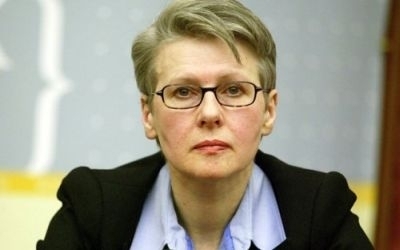
Lilia Shevtsova, 30 Ekim 2012
Rusya’daki son gelişmeler toplumun uyandığını gösteriyor. Geçen asırda iki kez (1917 ve 1991—ç.n.) olduğu gibi, kritik an yine gelecek. Bu defa Rusya’nın dünyadan soyulanmışlığı sona mı erecek, yoksa Rusya kendini felakete sürükleyen kişisel iktidarı yeniden mi üretecek ?1917 Rus Devrimi tek adam iktidarı, devletçilik ve emperyalizm geleneğini komünizm suretinde yeniden yarattı.Komünizm liberal demokrasiye küresel ölçekte alternatif olmayı başardı. 1991’de seçkinler Sovyetler Birliği ve komünist ideolojiden kurtularak Rusya geleneğinin başka bir modelini yerleştirdiler. Kişisel iktidar komünizm kisvesi altında 74 yıl hüküm sürdü. Boris Yeltsin, Vladimir Putin ve Dmitri Medvedev dönemlerinde pekişen yeni-eski Rusya sistemi 21 yıl sonra çatlamaya başladı.
Ülke bugün varoluşsal bir meydan okumayla karşı karşıya : Toplum kendini boğan kişisel iktidar sistemini dönüştürecek ya da Rusya enerjisini kaybederek çürüyecek veya içeriye patlayacak. Bu uygarlık tuzağından kurtuluşun tek yolu aşağıdan gelecek baskı. Yeni Rus devrimi dönüşümsel “kadife” mi olacak, tekrar daha yırtıcı bir yönetim biçimi mi üretecek?
Lilia Shevtsova: C.M.Center Rusya İç Politika ve Siyasal Kurumlar Programı Kıdemli Ortağı
Acı Sona Doğru
Rusya her zaman paradokslar ülkesi oldu. Rus demokratların 1989-1991’de Yeltsin’i desteklerken yaptıkları gibi, demokratların bir otokratı iktidara getirip sonra onu rekabetten korumaları bir paradoks değil mi ?Batı’nın 1990’larda Rusya’daki reform sürecini desteklemesinin ardından,oligarşik ve çürümüş kapitalizm suretini almış ve Batı’ya düşmanlık beslemeye devam eden bir kişisel iktidarı şekillendirmeye yardım ettiğini farketmesi bir paradoks değil miydi ?Şimdiki paradoks orta sınıf suretinde. Bu orta sınıf devlete bağlı ve statükonun savunuculuğuna soyunmuş. Dolayısıyla siyaset bilimci Samuel Huntington’un demokratikleşmeyi orta sınıfın doğuşuyla özdeşleştirmesine uyumlu değil. (Bu sınıfın bazı kesimlerinin 2011-2012 protestolarına katılmış olması bu yönelimi zayıflatmıyor)
Rusya paradokslarıyla insanları şaşırtmaya ve Rusya ve Batı’da pek çok kişiye tanıdık gelen modelleri çürütmeye devam ediyor. Azımsanmayacak sayıda Rus liberali, Batı’nın yerleşik düzeni gibi, Medvedev’in iktidarda kalmasını isterdi. Hiç olmazsa liberal bir söyleme sahipti. Ancak Medvedev’in veya bir başkasının iktidarda olması, otoriter sistemin kendini modernleştireceğine dair yanılsamanın ömrünü uzatmaktan başka bir şeye yaramazdı. Putin’in bu yıl devlet başkanlığı görevine geri dönmesi Rusya’nın gittiği yön hakkında hiçbir kuşkuya yer bırakmıyor : Putin kendi rızasıyla iktidar tekelinden vazgeçmeyecek ve ekibi siyasal veya ekonomik reform yapmayacak.
Putin’in Kremlin’e geri dönüşü Sovyetler’in son döneminin tekerrür etmesi anlamına geliyor : bozulan bir siyasal sistem ve yönetenlerle yönetilenler arasında büyüyen uçurum. Ülkenin ayrışmayacağının güvencesi yok. Sovyetlerle Putin Rusya’sının inişe geçmeleri arasındaki tek fark şu : Sovyet eliti ayakta kalamayacak kadar yaşlı ve güçsüzdü. Bugünkü yönetim iktidar için sonuna kadar savaşmaya hazır.
Putin ve ekibinin rejimini veya kurumları, oyunun resmi olmayan kuralları, yerleşik çıkarları, zihniyeti ve alışkanlıklarıyla kişisel iktidarı gömmek için henüz çok erken. Rusya kentlerinde tırmanan öfkeye ve kentli nüfusun yönetimin meşruluğunu tanımayı reddetmesine rağmen rejimin elinde ömrünü uzatmaya yarayacak kaynaklar mevcut. Siyaset sınıfının büyük bölümünün ve değişimden hoşlanmayan toplum kesimlerinin desteğine sahip. Ülkeyi yöneten ekibin (şu ana kadar sergilediği) bütüncül yapısına da bel bağlayabilir. Yine de toplumsal huzursuzluk artarsa, sistemi korumak isteyen yönetici elitin girişimiyle Putin rejimi kendine başka bir lider bulabilir. Rus yönetici eliti rejim değişikliği yoluyla sistemi devam ettirmeyi öğrenmiş durumda.
Vitrin değişikliklerine rağmen Rusya’da sistem temel özelliklerini muhafaza ediyor : kişisel iktidar, iktidarın ekonomik kaynakları denetlemesi, yeni-yayılmacıemeller, militarizm, hammadde ekonomisine ve kayırmacı ilişkilere bağımlılık. Kremlin'in yeni-yayılmacıemelleri, geçmişe göre daha yumuşak olsa da, post-Sovyet coğrafyada çıkar alanlarını koruma çabası yoluyla varlığını sürdürüyor. Militarizmin beslediği yayılmacı emeller diretken söyleme ve askeri harcamaların ağırlıkta olduğu federal bütçeye yansıyor. Bu özellikleri Rusya hükümetini diğer otoriter rejimlerden farklı kılıyor ve modernleşmesini zorlaştırıyor.
Rusya’nın uygarlık modeli yirmibirinci asırda demode olabilir, ama önderleri onu canlı tutmayı başarıyorlar. Bunu nüfusun farklı kesimlerine ulaşarak ve uyumlu olmayan unsurları bir araya getirerek beceriyorlar. Rusya büyük güç sıfatı taşımaya devam eden nükleer bir petrol devleti olmasına karşılık daha gelişmiş ülkelere hammadde tedarik ederek geçiniyor. Rus siyasal eliti kişisel olarak Batı ile bütünleşmiş durumda ama Batı’yı düşman olarak görüyor. Yönetimdeki liberaller, liberalizme yabancı bir rejimin ömrünü uzatmaya çalışıyorlar.
Ayakta Kalma Taktikleri
Bir dizi etken Rusya matrisinin (matrix) yeniden üretilmesine yardımcı oluyor.Bunlar arasında dişe dokunur liberal muhalefetin olmaması, toplumun moralsizliği, devletin halkı rüşvete bağlaması, her değişimin Rusya’yı çöküşe götüreceği korkusu ve nihayet dışardan veya içerden ciddi bir tehdit gelmemesi. Dönüşümün önündeki iki engelin üzerinde durmak istiyorum.
Birincisi aydın sınıfın rolü ve zihniyeti. Aydınlar her toplumda değişimin öncüsü olmuştur. Rusya’da ise1991’den beri yeni bir yola girilememesinin sebeplerinden biri entelejensiyanın moralsizliğidir. Yeltsin’in başkanlık döneminde yeni bir otokratik yönetim biçiminin doğması aydınları sersemletti. Çoğu, demokrasi kisvesi altına gizlenen bu yeni kişisel iktidar sistemine karşı durmak istemedi. Bir kısmı kişisel yönetimde propagandacı ve uzman olarak görev aldı. Entelejensiyanın geleneksel rolü olan vicdan önderliğinin mezarını kazdılar.
Aydın sınıfının en önemli kesimlerinden olan liberaller sisteme istekle hizmet ederek Rusya’da liberal değişim fırsatına en ağır darbeyi indirdiler. Bir yandan sistemin içinde görev alan ve hükümete farklı kulvarlarda hizmet eden bu “sistem liberalleri” diğer yandan liberalizm ve demokrasi adına söz söyleme hakkını tekellerine almaya çalışıyorlar. İlkelerden ve yön duygusundan arındırılmış bir “gri alanı” yeniden üretmekle kalmıyor, aynı zamanda Rusların nazarında liberal-demokratik normları itibarsızlaştırıyorlar.
Dönüşümün önündeki ikinci engel, geleneksel Rusya’ya koltuk değnekliği yapan Batı’nın rolü. Yeni başlayanlar için,Rusya nüfusunun önemli bir kısmının gözünde Batı uygarlığı kişisel yönetime alternatif olma özelliğini yitirdi. Bu durum kısmen Batı’nın siyasal “sıkıntılarından” kaynaklanıyor. Ama daha da önemlisi,Batılı hükümetlerin Kremlin’e dönük yaklaşımları ; bunlar Rus toplumunun en ileri kesimleri tarafından rejimin yaptıklarına göz yumma, hatta onu hoşnut etme politikası olarak algılandı. Liberal düşünceli bir çok Rus’a göreBatı’nın en son adımları olan –Amerika’nın “yenilenme” (reset) ve Avrupa Birliği’nin “Modernleşme Ortaklığı” politikaları- ülkedeki kişisel iktidarı meşrulaştırıyor.
Batılı siyasetçiler, uzmanlar ve gazeteciler Kremlin’in sahneye koyduğu Valdai Club ve Yaroslavl Küresel Politika Forumu gibi “operalarda” rol alarak rejimin yanına çekilmeleri, Batı’nın Rusya’daki sistemi meşrulaştırmasının bir başka biçimiydi. Umarım bunu bilmeden yapmışlardır. Rus toplumunun gözünde Batı çürümüş elitin kirli çamaşırlarını yıkayan çamaşır makinasına dönüştü. Siyasetçiler, bankerler ve halkla ilişkiler firmaları Rus siyaset sınıfının Batı toplumuyla kişisel olarak entegre olmalarınaaracılık ediyorlar. Rus elitinin utanmazlığının, halka hesap vermemesinin ve hatta kriminalleşmesinin Batı tarafından sineye çekilmesi Rus toplumunun uluslararası hukukun seçkinleri sınırlamayacağına ve Batı’nın bu tavırları her zaman hoş göreceğine inanmasına sebep oluyor. Nitekim Rus liberalleri bile Batı’nın rejime dönük politikasını açıkça eleştirmeye başladılar.
Kremlin siyasetçileri ve aydınları atamak, boyun eğmeyenleri sindirmek ve devlete bağımlı popülist grupları kayırmak gibi eski taktiklerini uygulamaya devam ediyor. Bazı çevreler halkın artan hoşnutsuzluğunun Putin’i liberalizmi denemeye zorlayacağı beklentisi içindelerdi. Oysa tam tersi oldu. Rejim toplumsal muhalefeti bahane ederek baskı uyguluyor ve güç kullanıyor (bilhassa “düşmanlar” arıyor ve farklı toplumsal grupları birbiriyle çatıştırıyor). Resmi makamlar toplumu sürekli gerilim içinde yaşatan ve şiddeti mazur göstermek için “kuşatılmışlık” duygusunu kullanan Stalin ve Mao’nun sınanmış taktiklerine geri dönüyorlar. Aynı şiddet seviyesinde olmasa da Kremlin’in Stalinci-Maocu yaklaşımı benimsemesi, ayakta almak için rejimin elinde ılımlı yöntemler kalmadığını gösteriyor.
Devam edecek...
Çeviri : Dr. Ömer Aytek Kurmel
Cherkessia.net, 22 Ekim 2014
****
The Next Russian Revolution (I)
Lilia Shevtsova , October 30, 2012
Recent developments in Russia demonstrate that the society is awakening, and that the country sooner or later will face a moment of truth, as it did twice in the past century when it had to solve a dilemma: whether to de-hermetize or to reproduce its system of personalized power that can only push the nation toward disaster. In 1917 the Russian Revolution produced a new incarnation of the country's traditional matrix of personalized power, statism, and imperialism in the form of communism, which succeeded in becoming a global alternative to liberal democracy. In 1991 the country's elite instituted a different model of the Russian matrix by dumping the Soviet Union and communist ideology. Personalized power in the communist disguise existed for 74 years. The new-old Russian system consolidated during the presidencies of Boris Yeltsin, Vladimir Putin, and Dmitri Medvedev has started to show cracks after 21 years.
The challenge the nation faces today is existential: Either the society succeeds in transforming the system of personalized rule that suffocates it, or Russia will lose its energy and end in rot or implosion. There is only one way out of this civilizational trap, and that is through pressure from below. But will the new Russian revolution be a transformational "velvet" one, or will it again create a more predatory form of rule?
To the Bitter End
Russia has always been a land of paradoxes. Is it not a paradox, after all, when democrats bring an autocrat to power and then protect him from competition, as Russia's democrats did in 1989-91 in supporting Yeltsin? And was it not a paradox when, in the 1990s, the West assisted Russia in its reforms only to discover later that in reality it had helped to remodel personalized rule as an oligarchic and corrupt capitalism still hostile to the West? Now there is yet another paradox as the middle class, tied as it is to the state, takes up the defense of the status quo, thus disproving political scientist Samuel Huntington's association of democratization with the emergence of a middle class. (The participation of some segments of this class in the protests of 2011-12 does not undermine this trend.)
The country continues to amaze with its paradoxes and to destroy models convenient to many in both Russia and the West. A good number of Russian liberals, just like the Western political establishment, would have preferred to see Medvedev stay in power, for he at least employed liberal rhetoric. But whether Medvedev or some other figure held the presidency, it would have only prolonged illusory hopes that the authoritarian system could modernize itself. Putin's return to the presidency this year leaves no doubts as to where Russia is going: It proves that Putin himself will never voluntarily give up his monopoly on power, and his team is not going to carry out either political or economic reform.
Indeed, Putin's return to the Kremlin means that Russia is starting to repeat the logic of the final Soviet years, characterized by the political system's degradation and a growing gap between the authorities and society. There are no guarantees that the country will manage to avoid fragmentation. So far, the difference between the Soviets' decline and that of Putin's Russia is that, unlike the Soviet ruling elite, which had grown too old and flabby to survive, today's authorities are ready to fight for their power until the bitter end.
It is still too early to bury the regime of Putin and his team, or the personalized power system with all of its institutions, informal rules of the game, entrenched interests, mentality, and habits. For all the mounting frustration in Russian cities and the refusal by much of the educated urban population to recognize the leadership's legitimacy, the regime still has resources to prolong its survival. It enjoys the support of a large part of the political class and of segments of society wary of any change. It can count, too, on the ruling team's (so far) monolithic nature. Still, in the event of increasing public discontent, it cannot be ruled out that the Putin regime would give way to another one with a new leader in a bid by the ruling elite to preserve the system, only without Putin. The Russian ruling elite has learned how to continue the system through a process of regime change.
Despite this year's and previous changes of wrapping, Russia's system retains its key features: personal power, a merger between power and economic assets, neo-imperial ambitions, militarism, and reliance on a commodity economy and patron-client relations. The Kremlin's neo-imperial ambitions, albeit in milder form than in the past, are pursued through efforts to preserve a sphere of interest in the post-Soviet region. These, together with its militaristic features, reflected in assertive rhetoric and in the defense-heavy federal budget, are what distinguish Russia's government from other authoritarian regimes and make its democratization more complicated.
Russia's civilizational model might be obsolete in the twenty-first century, but its leaders have learned to keep it alive by reaching out to different groups of the population while manipulating a combination of incompatible components. Russia is a nuclear petro-state that is still a great power, yet plays the role of a commodity-supplying appendage for more developed countries. The Russian political elite has integrated personally into the West, yet it views the West as an enemy. Liberals in the government help to prolong the life of a regime for which liberalism is alien.
Survival Tactics
Several other factors also help to reproduce the Russian matrix. Among them are the lack of formidable liberal opposition, the demoralization of society, the state's ability to bribe the population, the fear that any change will bring Russia's collapse, and finally the lack of serious threats from either the outside or the inside. I would emphasize two obstacles on the path to transformation.
The first is the role and mentality of the intellectual class, which in all societies has always been the engine of change. In Russia, the demoralized state of the intelligentsia has become one of the main causes of the country's failure to embark on a new path since 1991. The emergence of a new form of autocratic power during the Yeltsin presidency has left intellectuals disoriented. Most have been unwilling to take a stand in opposition to a new personalized power system disguising itself as a democracy. Some have become propagandists and experts in the service of personalized rule. Together, they are the gravediggers of the intelligentsia in its traditional role of bearer of moral criteria.
One of the most important factions of the intellectual class, the liberals, by their willingness to serve the system delivered the most crushing blow to the chances of liberal democratic change in Russia. These "systemic liberals" operate within the system and serve the government in different capacities while at the same time trying to monopolize the right to speak on behalf of liberalism and democracy. They not only reproduce a "grey zone" devoid of clear principles and direction, but also discredit liberal-democratic norms in the eyes of Russians.
A second obstacle to transformation is the role of the West, which often helps the traditional Russia to keep going. For starters, in the eyes of a significant part of the Russian population Western civilization has lost the role of alternative to the personalized system. Partly, this is a result of the current political "malaise" in the West. However, more important has been the policy of Western governments with respect to the Kremlin, which the most advanced parts of Russian society regard as one of connivance or even appeasement of the regime. For many liberal-minded Russians, the latest turns of the Western course toward Russia— America's "reset" and the European Union's "Partnership for Modernization"—provide legitimation of the country's personalized rule.
The role of Western politicians, pundits, and journalists in the Kremlin's staged "operas," such as the Valdai Club and the Yaroslavl Global Policy Forum, which have become instruments of their co-optation by the regime, is another form of legitimation that the West provides for the Russian system (hopefully unintentionally). In the eyes of Russian society, the West has turned into a laundry machine for a corrupted elite and has offered a powerful "service class" that includes politicians, bankers, and public relations agencies that help the personal integration of the Russian political class into Western society. Western acquiescence and attempts to ignore the Russian elite's brazen behavior, lack of accountability, and even criminalization give Russian society grounds to believe that no international laws could constrain the elite, and that the West will be always ready to accommodate it. No wonder that even Russian liberals have started to be openly critical of Western policy toward the regime.
The Kremlin continues its old tactic of co-opting members of the political community and the intellectual elite, intimidating those unwilling to submit, and tossing favors to the populist-oriented groups that depend on the state. Rather than forcing Putin into experimenting with liberalism, as some hoped, growing public discontent creates pretexts for the regime to turn to repression and use force (in particular by returning to the search for "enemies" and fomenting confrontation between different groups in society). Essentially, the authorities are returning to the tactic tested in the past by Stalin and Mao, who maintained society in a state of constant tension and used the "besieged fortress" idea to justify violence. The Kremlin's adoption of the Stalinist-Maoist approach, albeit without the same level of violence, indicates that the regime has run out of milder methods for sustaining its position.
To be continued…
Bu haber toplam 2624 defa okundu.