Karakter boyutu :


Mikhail Krutikhin:Kalıtsal Hastalık

22 Ekim 2014 Çarşamba Saat 22:56
Mikhail Krutikhin, 21 Ekim 2014
Petrol fiyatlarının düşmesi bir komplo mu ?
Moskova’da aralarında üst düzey siyasetçilerin de olduğu çok sayıda yetkili Amerika ve Suudi Arabistan’ın Rusya’da rejimi değiştirmek için gizli bir antlaşma yaptıklarına inanıyor.
Komplo teorisini haklı çıkaracak bir kanıt bulunamadı. Yine de, Cumhurbaşkanı Barak Obama ile Kral Abdullah bin Abdülaziz’in Vladimir Putin’e kumpas kurmak üzere kafa kafaya verdiği imajı Rus yetkililerin zihninde canlılığını koruyor. Hatta bazı yetkililer Sovyetler Birliği’nin yıkılmasını benzer bir Amerikan-Suudi anlaşması sonucunda petrol fiyatlarının düşürülmesine bağlıyorlar.
Bu zihniyet SSCB-SBKP-KGB döneminden tevarüs edildi ve Rusya’nın bugünkü karar mercilerinde sabit fikir halinde. Hükümetlerin sanayiye ve ekonomik sektörlere siyasal emirler vermesinin mümkün ve gerekli olduğuna içtenlikle inanıyorlar ; tıpkı Komünist Parti Merkez Komitesi’nin eski Gosplan’a talimat verdiği gibi.
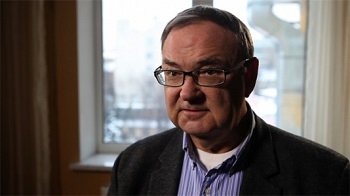
Mikhail Krutikhin: Bağımsız Rus Enerji Danışmanlık Şirketi Ortağı
Yabancı arkadaşlarım müzakere ettikleri Rus yetkililerin tavırları sebebiyle dehşete düştüklerini söylüyorlar. Rus yetkililer muhataplarını “Amerika”, “İngiltere”, “Almanya” veya “Japonya” olarak görüyor ve ısrarla bu ülkelerin liderlerinin ortak projeler için bütçe oluşturduklarına ve ticari şirketlere siyasal emirler yağdırdıklarına inanıyorlarmış. Son zamanlarda yaygın olan kanaate göre önde gelen Amerikan enerji şirketlerinin CEO’ları Dışişleri Bakanlığına, hatta Beyaz Saraya çağrılarak Gazpromu devreden çıkarmak için Avrupa’ya sıvılaştırılmış doğal gaz satmaya başlamaları emrediliyormuş.
Yetkililer kendilerini bu düşünceye o denli kaptırmışlardı ki bazı gerçekleri düşünemiyorlardı bile : mesela Amerika’da sıvılaştırılmış doğal gaz (LNG) tesislerinin olmaması ve Avrupa ile Asya’daki gaz fiyatları arasındaki derin uçurum. Onlara göre ticari şirketler Amerikan ulusal hedefi olan Rusya’daki rejimin devrilmesi uğruna ekonomik zararları göze alabilirdi.
Kalıtsal bir hastalık olan “düşmanlar her yerde” zihniyeti Rus karar mercilerini zarara ve yenilgiye sevk ediyor. Yabancılarla ilişkilerinde hırsla kendilerinin kazanmasına, karşıdakilerin kaybetmesine çalışıyorlar ; yani sıfır toplamlı çözümler peşindeler. Kazan-kazan seçeneği bu müzakerecilere çok yabancı.
Rusya ile Ukrayna arasındaki gaz müzakeresi iyi bir örnek. İki taraf da taviz verirse herkes mutlu olacaktı. Ukraynalılar ve Avrupalılar soğuktan donmayacaklardı. Rusya’nın kasasına daha fazla para girecekti ; Gazprom’un itibarı da zarar görmeyecekti.
Moskova’ya göre problem, kazan-kazan önerisinin Ukraynalılar tarafından getirilmesi ve Rus tarafının “Kiev’deki faşist cunta” tarafından getirilen bu öneriyi kabul edecek durumda olmamasıydı. Dolayısıyla Moskova kış geldiği zaman herkesi çok mutsuz edecek bir yaklaşım üzerinde inatla ısrar ediyordu.
“Modernleştim ve kapitalizme geçtim” demek yeterli değil. Sovyet zihniyetinden kurtulmak için çok daha fazlası gerekiyor.
Çeviri : Dr. Ömer Aytek Kurmel
Cherkessia.net, 22 Ekim 2014
****
A Hereditary Disease
Mikhail Krutikhin, October 21, 2014
Plummeting oil prices is it a conspiracy?
Manyofficials in Moscow, including top government figures, are convinced that the United States and Saudi Arabia have reached a secret agreement to make Russia’s life harder and change the rulingregime, while it is unable to carry out crucial social and economic programs.
No proof has been produced for the conspiracy theory. Never the less, a vivid image of President Barack Obama and Saudi King Abdullah bin Abdulaziz leaning their heads together toplot against Vladimir Putin seems to be constantly in the minds of Russian officials. Some official seven insist that the Soviet Union fell apart because of a similar U.S.-Saudi agreement to organize a fall in oil prices.
This approach reflects a mentality in herited from the USSR-KPSS-KGB era, and deeply fixed in the brains of the current decisionmakers in Russia. They sincerely believe that any government can, and must, issue political orders to industries and economy sectors, just as the old Gosplan did on instructions from the Central Committee of the Communist Party.
My foreign friends who have participated in negotiations with Russian officials say they were be wildered by the attitude of their Russian counterparts, whoregarded the oppositeparty as just “America,” ”England,” ”Germany,” or ”Japan”, and insisted that the leaders of those nations could assignbud gets to joint projects and give political commands to specific business companies. A recent fashionable idea was to imagine the CEOs of major U.S. energy corporations called to the State Department oreven the White House and ordered to start selling liquefied natural gas immediately to Europe, in order to replace supply by Gazprom.
The scheme was soenticingt othese officials that they dropped arguments which conflicted with this model of behavior: the absence of liquified natural gas (LNG) exportterminals in the United States, and the gap between gasp rices in Europe and Asia. They insisted that commercial companies would follow the political line of the U.S. government, and suffer commerciallosses for the sake of a great national goal, the fall of the Russian regime.
The here ditarydisease of the “enemies-are-everywhere” mentality frequently leads Russian decisionmakers to losses and defeat. In their relations with foreigners they usually pursuezerosum solutions, eagerly desiring to win and see the other party lose. Thenotion of a win-win approach remainsalien to such negotiators.
The blind alley of the Russian-Ukrainian talks on gas issues is a good example. If both parties make concessions (for Gazprom, this would mean a new contract with Naftogazalong the same commerciallines as the Russian company signs with other European clients, and for the Ukrainians, repayment of debt), everybody would be happy. The Ukrainians and Europeans would not freeze, Russia would have an extra source of income for it sailingbud get, and there putation of Gazprom would not suffer because of it sinability to supply enough gas in the winter season of peak demand.
The problem, as seen in Moscow, is the fact that the win-win solution is proposed by the Ukrainians, and the Russian party just can not accept an offer coming from the “fascist junta in Kyiv.” Therefore, Moscow keeps stubbornly insisting on an approach that is going to make every party very unhappy when winter comes…
It is not enough to proclaim modernization and embrace capitalism. Many tears are needed to get rid of the old Sovietmentality.
Mikhail Krutikhin is a partner at the independent Rus Energy consulting agency.
Bu haber toplam 2665 defa okundu.


Khutıj
Krutikhin'in dedikleri gerçekse eğer Ruslar resmen paranoyak olmuş. Bunca komplo teorisine akıl mı dayanır?
26 Ekim 2014 Pazar Saat 19:25