Karakter boyutu :


Lilia Shevtsova: Sonraki Rus Devrimi (II)

30 Ekim 2014 Perşembe Saat 11:52
Lilia Shevtsova, 30 Ekim 2012
Rejimin doğası ne kadar baskıcı olacağını belirler. Rusya istihbaratçıların yönettiği bir güvenlik devleti. Dolayısıyla şiddete yatkın. Şiddete her dönemde başvurulmuş olsa da Putin’den önce baskı kurumlarını siviller yönetiyordu. Rusya tarihinde ilk defa mensupları kurumların yönetimini ele geçirdiler. Sistemin çürümesi ve yerleşik çıkarların tehlikeye girmesi yüzünden rejim kendini korumak için kaba kuvvete başvurabilir.
Putin artan baskıların Rusya’yı Kuzey Kore ile aynı klasmana taşıyacağının ve dünyadan soyutlanmasına sebep olacağının farkında. Bu durum kişisel olarak Batı ile bütünleşmek isteyen Rusya siyaset sınfının çıkarlarıyla çelişiyor. Kremlin Rus elitinin Batı tarafından reddedilmesi istemiyorsa kendine bir sınır çizmeli. Amerikan Kongresi’nden geçen ve gözaltında hayatını kaybeden Rus avukatın adını taşıyan Magnitsky Yasası insan haklarını ihlal eden Rus yetkililere yaptırımlar uygulanmasını öngörüyor. Yasa uygulanırsa Batılı ülkelerin Rusya’daki durumu ne kadar tolere edeceğinin sınırları belirlenmiş olacak. Sorun şu ; Batı’dan tepki görseler de Putin ve ekibi geri adım atamazlar. İktidarı kaybetmelerine sebep olabilecek bir liberalleşme sürecini başlatamazlar. Ayakta kalmak için tek çareleri toplum üzerindeki baskıyı artırmak.
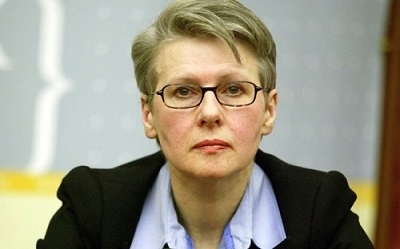
Lilia Shevtsova: C.M.Center Rusya İç Politika ve Siyasal Kurumlar Programı Kıdemli Ortağı
Azami Kar Etmek
İktidar kalan süre içinde azami kar etmek ve mal varlığının geleceğini güvence altına almak istiyor. Kremlin tepedeki sülalelerin ceplerini dolduracak projeler peşinde. Sibirya ve Rusya Uzakdoğu’sunda faaliyet gösterecek bir devlet şirketinin kurulacağı söyleniyor. Bu şirket doğrudan Putin’e bağlı olacak ve Putin buradan gelecek hammaddeyi bizzat denetleyecek. Ayrıca resmi makamlara yakın gruplar yeni özelleştirmeler yapabilir. Kremlin Putin’e bağlılık koşuluyla belli sülalelerin devlet işletmelerine el koymasına ve özel işletmeleri ele geçirmesine izin veriyor.
Putin’in iktidarını korumak için askeri-endüstriyel kompleks etrafında yeni bir sanayileşme dalgası öngörüyor. Böylece hem ekonomi kalkınacak hem de devletin askeri gücü artacak. Bu düşünce de Stalin dönemine ait. Ne var ki Stalin ancak diktatörlüklerde uygulanabilecek bir yöntem olarak yukarıdan sanayileşmeyi dayattı. Çok fazla kan dökülmesine sebep olacağı ve çürümüş kolluk kuvvetleri hazır olmadığı için bugün benzer bir girişimin başarı şansı yok.
Rusya’daki savunma sanayisi 1960’lı yıllarda kalmış kapalı, bürokratik bir yapı ve yaratıcılığı teşvik etmiyor. Ona akıtılan devasa kaynaklar baştaki sülalelerin ceplerine gidecek. Belirsiz olan tek şey Stalin-tarzı sanayileşmeye Kremlin mi inandığı, yoksa yönetici ekibi zengin etmek için yeni bir yol mu olduğu.
Rusya melez bir yapı : bir yanda nükleer silahlara, yeni-yayılmacı ve militarist emellere sahip, diğer yanda bir petrol devleti. Bu gösteriş elbette sahte : Kremlin ulusal sınırlarını genişletmeye veya Batı ile savaşmaya hazır değil. Yine de bu melez rejimin ömrünü uzatmak için gözlerini geçmişe dikmesi Rusya’nın modern bir ülke olmasını engelliyor.
Bu taktikler baştaki ekibi ne zaman kadar ayakta tutar ? Putin’in zamanı azalıyor. Halkın psikolojik durumuna bakılırsa 2018’de bitecek olan başkanlık süresinden sonra ülkeyi yönetmesi mümkün görünmüyor. Rusya’nın önündeki en önemli görev halkın desteğini alabilecek bir siyasal alternatif yaratmak ve sistemi dönüştürmek için bir plan hazırlamak. Eğer bu alternatif çıkmazsa Putin rejiminin devrilmesi yeni bir otoriter rejimin, hatta diktatörlüğün önünü açar veya Rusya şiddetli bir çöküş yaşar.
Protestocuların Sorunları
Rusya’nın 2011 sonundaki uyanışı sadece resmi makamları değil seçkinleri de şaşırttı. Demek ki toplumun nabzını tutmaya yarayacak güvenilir araçlara sahip değillerdi. Muhalefetin kitlesel protestonun bu ani patlamasına hazır olmadığı da anlaşıldı. Aslında rejime duyulan hoşnutsuzluk, özellikle eğitimli kentli nüfusta, bir süredir birikiyordu ; 2011-12 seçim hilesi onu ateşledi.
Protesto hareketi onur temasının sürüklediği manevi zeminden hızla “Putinsiz Rusya” gibi siyasal sloganlara kaydı. Farklı protestocu gruplar birbirleriyle anlaşma yaptılar, kendilerini örgütlemeyi öğrendiler ve yeni protesto türleri uyguladılar. Ama hareketin sorunları olduğu gözden kaçmıyordu. Yeni ve eski muhalif hareketler, siyasal ve yurttaş girişimleri, Moskova ve bölgeler arasındaki sıkı eşgüdüm eksikliği taktik zaaflardı. Çoğunluk tarafından onaylanmış bir strateji olmadığı gibi kısa vadeli sloganlara fazla odaklanılmıştı.
Daha da ciddi bir sorun devrimci ve ılımlı protestocular arasında uzlaşmaya varılamamasıydı. Devrimciler “yetkililer hiçbir talebimizi yerine getirmediler. Putin’in gitmesini talep etmek için sokaklara çıkmalıyız” derken ılımlılar "ortamı germek yerine devletle diyalog kurmalıyız. Kabul edemeyecekleri taleplerde bulunmaktan kaçınmalıyız” dedi. Sorun resmi makamların diyalog kurarmış gibi yaparken iktidar üzerindeki tekellerinden vazgeçmek istememeleri.
Rusya taşrasında artan sosyal ve ekonomik hoşnutsuzluğu da dikkate almak lazım. Şimdiye kadar siyasal muhalefet ve sosyo-ekonomik protesto paralel gitmişti. Ülkenin geleceği bu iki kulvarın kesişmesine, zamanına ve tek kulvar haline gelmesine bağlı. Siyasal muhalefetin Rusya taşrasını sorunun sebebinin siyasal olduğuna ve Putin’in gitmesinin yeterli olmayıp tüm sistemin dönüşmesi gerektiğine ikna etmesi Rusya tarihi açısından bir dönüm noktası olur. Ama bu henüz gerçekleşmedi.
Sistem kendini iki yoldan yeniliyor. Biri 2012 yazında kabul edilen yasalar örneğinde olduğu gibi yetkililerin toplum üzerindeki baskıyı artırması, muhalefete yapılan eziyet ve bu yaz Pussy Riot grubunun mahkum edilmesinin gösterdiği gibi yargının siyasallaşması. Diğeriyse ılımlıların yetkililerle diyalog arayışı ve onları düzgün davranmaya ikna etme çabası.
Bir yandan da muhalefet içindeki sabırsız azınlık giderek radikalleşiyor ve ayaklanmaya hazır hale geliyor. Bu bağlamda, Rusya’da her zaman liberalleşme umutlarının suya düşmesinin ardından protesto hareketlerinin radikalleştiğini hatırlamak gerekiyor. Çar hükümetinin sınırlı reformlarının yarattığı hoşnutsuzluk ondokuzuncu yüzyılın sonunda terörü doğurdu ve 1917 yılında liberalleşme beklentilerinin karşılanmaması yirminci yüzyılın en kanlı devrimlerinden birine yol açtı. Günümüzde Medvedev’in sahte modernizasyonu protestonun kabarmasında önemli rol oynadı.
Kişisel iktidar sistemi yerinde durduğu sürece yönetici grubun güç tekelinden feragat etmeyeceği belli oldu. Bu sadece toplumsal muhalefetin değişim getireceği anlamına geliyor. Ama protesto hareketinin barışçıl bir dönüşüm süreci yaratmasının önkoşulları var. Bu önkoşullar şunlar : rejime ve sisteme karşı olan tüm grupların değişimin serbest ve adil seçimler yoluyla olması gerektiği üzerinde mutabık kalması ; devlet başkanının aşırı güçlenmesini engellemek için anayasada değişiklik yapılması ; ana lidere dayalı siyaset modelinin ana siyasal güçlerin anlaşması yoluyla reddedilmesi.
Solcular ve Liberaller
Son olaylar protesto hareketi içinde solcu ve sol popülist eğilimlerin tırmandığını gösterdi. Hoşnutsuzluk taşraya sıçradıkça Kremlin daha fazla güç kullanacak ve bu trend güçlenecek. Yeni sol, makamlarla uzlaşan eski Komünist Parti’yi reddediyor. Sol dalga sadece yönetici ekibi değil Kremlin hesabına çalışan liberalleri ve teknokratları da kaygılandırıyor. Liberaller ve genelde entelejensiya her zaman kitle hareketlerinden korkmuş ve kişilerle özdeşleşen sistemlerden yana tavır almışlardır. Günümüzde sisteme entegre olmuş ve kendini onun içinde rahat hisseden önemli bir entelektüel kesimin resmi makamları desteklemesinin gerekçesi bu korkudur.
Rus toplumu bugün ayaklanma istemiyor. Halk yönetici sınıfın değişim başlatmasını sabırla umuyor. Yeni sol hareketin liderleri popülist sloganlarına ve Batı- karşıtı görünümlerine rağmen bu aşamada başkalarına, hatta liberallere kulak vermeye ve birlikte çalışmaya hazırlar. Liberaller şimdiye kadar protesto hareketine önderlik ettiler. Ama hareketin kitle desteği kazanması için solculara taviz vermeleri gerekiyor.
Devam edecek...
Çeviri : Dr. Ömer Aytek Kurmel
Cherkessia.net, 30 Ekim 2014
****
The Next Russian Revolution (II)
Lilia Shevtsova , October 30, 2012
The regime's very nature determines its drift toward repression. It is a praetorian regime run by people from the secret services—indeed, from these services' most archaic provincial level—and is thus predisposed toward violence. Violence has always served as a tool for perpetuating Russia's autocracy, but before the Putin period control of the institutions of repression was in civilian hands. Now, for the first time in Russian history, people from these institutions have taken power in their own hands. In this situation, the degradation of the system and the emergence of threats to entrenched interests make it only more likely that the regime will resort to force in order to protect itself.
Putin is aware that stepping up the repression would take Russia toward the status of a North Korea and into isolation, which would contradict the political class's desire for personal integration with the West. The Kremlin thus has to find the limits beyond which it cannot go if it is to avoid Western rejection of the Russian elite. The Magnitsky Bill, a measure in the US Congress named after Sergei Magnitsky, a Russian attorney who died in police custody, would impose sanctions on Russian officials suspected of human rights violations. If it were enacted, it could show the Kremlin the limits of Western countries' willingness to tolerate the situation in Russia. The problem is that, even if faced with a critical reaction from the West, Putin and his team have no way back. They cannot begin a liberalization process that would risk costing them their power. This leaves pressurizing society as their only survival tactic.
Maximizing Profits
Meanwhile, the ruling team is trying to make use of the time still at its disposal to gain maximum profit and guarantee its assets' future protection. The Kremlin has been looking for projects that will bring huge dividends for the clans at the top. Among the ideas discussed has been a bizarre suggestion to establish a state corporation to man-age Siberia and the Far East (a corporation that would answer directly to Putin and guarantee his personal control over the main commodity flows from those regions), as well as new privatizations carried out by groups close to the authorities. The Kremlin is quite unabashedly allowing particular clans to grab hold of state assets and take over private assets in exchange for personal loyalty to Putin.
Putin has also raised another idea for self-preservation—a new wave of industrialization centered around the military-industrial complex. As he sees it, this should spur economic growth while at the same time reinforcing the state's militaristic base. This is yet another borrowing from Stalin's policy arsenal. Stalin in his time carried out forced industrialization from above, a model that can be repeated only under dictatorship. Today any such attempt is doomed to fail, and not just because forcible reindustrialization under outright dictatorship would require shedding much blood, a task for which the country's corrupt law enforcement and security services are unlikely to be prepared.
The fact is that Russia's defense industry is a closed and bureaucratic structure stuck in the 1960s and devoid of any incentive to innovate. Huge sums injected into it will only end up lining the pockets of the ruling clans. The one thing that is still not clear is whether the Kremlin actually believes in the possibility of such a Stalin-style industrialization, or whether the idea has been dreamed up just to consolidate traditionalists' support while providing the ruling team with a new source of enrichment.
Whatever the case, what is emerging in Russia today is a weird hybrid of a petro-state with nuclear weapons and neo-imperialist and militarist ambitions. True, these ambitions are only imitative: The Kremlin is not prepared either to expand national borders or to go to war with the West. Still, this hybrid regime with its eyes searching the past for ways to prolong its life is stopping Russia from becoming a modern country.
How long can these tactics prolong the current team's survival? Time is running out for Putin. Judging by the public mood he is unlikely to last longer than his current presidential term, which ends in 2018. The big issue for Russia today is to build a systemic alternative in the form of a political force capable of winning public support and of putting together a plan for transforming the system of government. If such an alternative does not emerge, the Putin regime's fall could open the way to a new authoritarian regime or even dictatorship, or Russia will enter a stage of severe degradation.
The Protesters' Problems
Russia's awakening at the end of 2011 came as a surprise not only to the authorities but also to the elite, which indicates the lack of reliable instruments for measuring and understanding what is going on in society. It also made clear that the opposition was not ready for this sudden explosion of public protest. In fact, discontent with the regime, especially among the educated urban population, had been brewing for a time; the 2011-12 election fraud was just the spark that set it off.
The protest movement has moved fast from a moral drive for dignity to political slogans such as "Russia without Putin." The different protest groups came to agreements, learned to organize themselves, and showed their ability to make use of new forms of protest, from flash mobs to protest walks or occupying public squares. But at the same time, the movement faces obvious problems. Tactical weaknesses include a lack of close coordination between old and new opposition movements, between political and civil initiatives, and between Moscow and the regions. There is no strategy with majority approval, and too strong a focus on immediate-term slogans.
An even greater problem is the difficulty in reaching understanding between the revolutionary-minded part of the protest movement and the moderates, that is, those who hope to influence the system from within and want to avoid confrontation with the authorities. "The authorities have not fulfilled any of our demands," the revolutionaries say, "and so we need to take to the streets to demand Putin's departure." The moderates, for their part, say, "We must not radicalize the situation but should seek dialogue with the authorities and refrain from demands that they are not pre-pared to accept." The problem is that the authorities are willing to imitate dialogue but are not willing to renounce their monopoly on power.
Increased social and economic discontent in Russia's provinces also poses a challenge. Until now, political dissent and socioeconomic protest have followed parallel paths. The country's future will depend greatly on whether these two roads intersect at some point, when this might take place, and what will happen if these two flows do indeed merge as one. If the political opposition can convince provincial Russia that the roots of its problems are political and that not only does Putin have to go, but the whole system has to be restructured, this would mark a turning point in Russian history, with the public realizing the need for political transformation and not just a change of leadership. But this has not happened yet.
Two circumstances open the way for the system to reproduce itself yet again. One is the authorities' attempts to tighten the screws on society, reflected in repressive legislation adopted in the summer of 2012, continued persecution of the opposition, and political trials such as the one this summer that ended in convictions for members of the Pussy Riot punk rock band. The other circumstance is moderates' attempts to engage the authorities in dialogue and convince them to behave decently.
At the same time, the impatient minority within the opposition is growing more radical and is ready for revolt. It is worth remembering in this context that the radicalization of protest movements in Russia has always followed hopes for liberalization and their subsequent disappointment. Discontent with the limited nature of the czarist government's reforms led to the emergence of terrorism in Russia in the late nineteenth century, and in 1917 unfulfilled hopes for liberalization set off what would become one of the twentieth century's bloodiest revolutions. Today, Medvedev's fake modernization has played a part in bringing protest to the surface.
It is absolutely clear now that the ruling group will never voluntarily renounce its monopoly on power so long as the personal power system is still in place. This means that only social protest can bring about change, but some preconditions are needed for the protest movement to usher in a process of peaceful transformation. The main preconditions are: consolidation and consensus among all groups opposed to the regime and the system on the need to change the rules of the game through free and fair elections; revision of the constitution so as to do away with excessive presidential power; and agreement by the main political forces to renounce the leader-based model of political life.
Leftists and Liberals
Recent events show that leftist and left-wing populist sentiments are on the increase within the protest movement. The more the discontent spreads to the provinces, the more the Kremlin will try to suppress it through force, and the stronger this trend will become. This new leftist mood rejects the old Communist Party, which has become the authorities' partner. The leftist wave worries not just the ruling team but also the liberals and technocrats working for the Kremlin. Such fears have always been typical for liberals and for the intelligentsia in general, forcing them to take the side of the personalized system, afraid as they are of popular uprisings. Today, these fears serve to justify support for the authorities by a significant section of intellectuals, who have integrated into the system and feel comfortable within it.
For the time being the desire to avoid upheaval pervades Russian society. People have been patiently hoping that the ruling class will initiate change. For all their populist slogans and even anti-Western outlook, the new left-wing movement's leaders are ready at this stage to listen to others, even to the liberals' point of view, and to work with them. So far, liberals dominate the protest movement's leadership, but they will have to make concessions to the leftists if they want to give the movement genuinely broad support.
To be continued …
Bu haber toplam 2511 defa okundu.


Bu habere yorum eklenmemiştir. İlk yorumu siz ekleyin.