Karakter boyutu :


José Ignacio Torreblanca:Rusya’nın Aynası Kırıldı

05 Kasım 2014 Çarşamba Saat 12:58
José Ignacio Torreblanca
25 Eylül 2014
European Council on Foreign Relations
Son on yılda demokratik Avrupa Rusya için siyasal, ekonomik ve sosyal modernleşme süreci yaşayan bir ülke imajı çizdi. Bu süreç o kadar yoğundu ki geri dönülemezdi. Soğuk Savaş sonrasında Avrupa’da olduğu gibi ekonomik kalkınma bir orta sınıf yaratacaktı. Bireyler özgürlük, haklar ve paylaşılan zenginlik sayesinde ileri gideceklerdi. Rus devlet aygıtının rolü demokratik toplumlarda olduğu gibi azalacak, yurttaşlar, şirketler ve tüketiciler kendi geleceklerinin efendisi olacaktı. Bazı çevreler Rusya ile Avrupa Birliği arasında yakın ilişkiler kurulmasını umut ediyordu. Bu sayede Moskova ve Brüksel -2002 yılında dönemin Avrupa Birliği Komisyonu Başkanı Romano Prodi’nin yaygınlaştırdığı formül uyarınca- “kurumlar dışında herşeyi” paylaşacaktı.
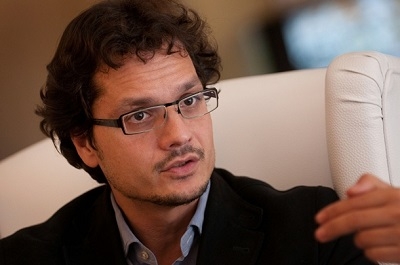
J.I.Torreblanca: ''Avrupa’nın Yeniden İcadı'' programı direktörü ve Avrupa Dış İlişkiler Konseyi Madrid Bürosu Şefi
Geriye bakıldığında bu analizin hayallerle gerçekleri birbirine karıştırdığı görülüyor. Ama o zaman olayların böyle gelişeceğini düşünmek akla yakındı. Devlet Başkanı Dmitri Medvedev ülkeyi modernleştirmeye kararlı görünüyordu. Bunun için ham madde ihracatına dönük kalkınma modelinden bilgiye ve yaratıcılığa açık bir toplum yapısına geçmek gerekecekti. Medvedev’in bunu stratejik ortakların yardımıyla başaracağı düşünülüyordu. Muazzam ihracat ve yatırım kapasitesiyle Almanya ve G-7 gibi kurumların kapılarını Rusya’ya açmaya istekli diğer Batı Avrupa ülkeleri Rusya’yı kademeli olarak çok taraflı siyasal ve ekonomik sisteme dahil edeceklerdi.
Pek çok kişi farkına varmasa da Rusya’nın aynası Eylül 2009’da kırıldı. İki dönem devlet başkanlığı yapmış olan Vladimir Putin 2012 yılında başkanlığa aday olacağını açıkladı. Geçmişte Putin’i modernleştirici olarak övmüş olan Mihail Gorbaçev bile Rusya siyasetindeki bu dönüm noktasına ilişkin kaygılarını açıkça dile getirdi ve Putin’e kararını gözden geçirmesi için çağrı yaptı. Gorbaçev Putin’in yeniden seçilmesinin ekonomik modernleşme sürecinin içine düştüğü çıkmazı daha da derinleştireceği ve çok önemli beş yılın kaybedileceği kehanetinde bulundu. Putin’in 2025 yılında yaşlı ve madalyalarla donanmış askeri üniforma içindeki hayali portresi sosyal medyada hızla yayıldı ve “SSCB’ye dönüş” başlığıyla Courrier International’a kapak oldu. Putin Sovyetler Birliği’nin çöküşüne yol açan durgunluk ve kireçlenmeyle özdeşleştirilen Sovyetler Birliği Genel Sekreteri Leonid Brejnev’e (1964-1982) benzetiliyordu.
Beş yıl geçmeden Gorbaçev’in haklı olduğu anlaşıldı. Sayıca az olan ama herkesin görmeyi umduğu modern ve açık Rusya’nın çekirdeğini temsil eden kesim Putin’in 2012’de seçilmesine karşı çıktı. O zamandan beri Putin kendini bu aynayı sistematik olarak kırmaya ve modernleşmeye dönük tüm umutları yıkmaya adadı. Ekonomiyi açmak ve bağımsız bir girişimci sınıf yaratmak yerine siyaseti, ekonomiyi ve medyayı arkadaşlarından, meslektaşlarından ve eski KGB ortaklarından oluşan küçük bir seçkinler grubuna bağladı. Acemoğlu ve Robinson’un Ulusların Düşüşü : Güç, Zenginlik ve Yoksulluğun Kökenleri adlı klasik eserini temel alırsak Rusya vakası “sömürücü seçkinler” modeliyle örtüşüyor. Bu seçkinler kişisel (ve ideolojiden soyutlanmış) çıkarları adına ülkenin siyasal ve ekonomik ilerlemesini engelliyorlar : mevcut koşullarda modernleşmenin iktidarı kaybetmeleri anlamına geleceğini biliyorlar.
Bazı Rus düşünürlerin ve ideologların bizi inandırmak istediklerinin tersine, bu eski KGB şefleri ve çürümüş oligarklar Rus ruhunun ve uygarlığının gizemlerini içselleştirmek adına Ortodoks inancını ve pan-Rus milliyetçiliğini benimsemiş değiller. Tek amaçları ayakta kalmak için ideolojik manipülasyon yapmak. Putin rejimi otoriterlik tarihinde elinde topladığı görülmemiş ekonomi ve medya gücüyle hatırlanacak. Mevcudiyetini koyu otoriterliğe, toplumsal eşitsizliğe ve zenginliğin görülmemiş biçimde belli ellerde toplanmasına borçlu olan sömürücü oligarşi için demokratik ve popüler bir meşruiyet –evet, Putin çok popüler- inşa etmiş durumda.
Rusya kademeli olarak petro-devlete dönüştü. Bu kimlik sadece gücün temelinde ham madde olması demek değil. Bu yüzden toplumun siyasal, ekonomik ve sosyal modernleşme yönündeki taleplerinin de görmezden gelinmesi anlamına da geliyor. Rusya’nın “kaynak laneti” benzersiz bir melez yapı üretti : bir yanda Hugo Chavez Venezuela’sında olduğu gibi rejimin demokratik görüntüyü korumak için ihtiyaç duyduğu toplumsal desteği inşa etmek üzere petrol ve gaz gelirinin kullanılması, diğer yanda meşruiyetini dine, kültüre ve gizemli tarihsel savaşlara dayalı kokuşmuş bir milliyetçilikten alan petrol monarşisi. Putin kimlik ve ulus inşasını saplantı haline getirmiş durumda. Bunun için bağımsız sivil toplum gruplarını ve (eşcinsellerin dahil olduğu) sosyal grupları taciz etmek amacıyla medya manipülasyonuna başvuruyor, yabancı etkisini ve fikirleri reddediyor, Çarlığın ve Sovyet döneminin intikamını almak istiyor.
Siyaset bilimci İvan Krastev’e göre Putin’i anlamak için KGB ajanlarının düşünce biçimini bilmek lazım. KGB mensubunun işi –askerler ve Komünist Partisi görevlilerinden farklı olarak- hiyerarşik yapılar kurmak ve kontrol altında tutmak değil, bu yapılara sızmak ve onları ele geçirmek ; bunları yaparken de normal bir operasyon görüntüsü vermek. KGB görevlisi başarılı olmak için insanların güdülerini ve isteklerini anlamak zorunda. Putin bu noktada dehasını gösterdi : para isteyenlere ödeme yapıldı, kimlik arayanlara öz-saygısı verildi. Her zaman gizli ajan olmak istediğini itiraf eden bu eski KGB görevlisi mükemmel bir operasyon yürüttü. Rusya çift taraflı ajana dönüştü ; Rus halkına hizmet eder gibi yaparken eski KGB ajanları iktidarlarını koruyor, devlet aygıtını, ekonomiyi ve medyayı ellerinde tutuyorlar.
Gorbaçev’in öngörüsü eleştirilecekse resmin tamamını göremediği için eleştirilmeli. Putin yönetimi Brejnev kadar silik ve sıkıcı olmadı. Önceki aylarda tanık olduğumuz gibi Putin Avrupalı komşuları için güvenlik tehdidi oluşturan yayılmacı ve revizyonist bir Rusya kurmaya uğraştı. Putin komşularını bağımsız bir Rusya’nın Batı ile farklılığını korumasını sağlayacak etki alanını kurabilmesi için işbirliğine zorlayabileceği kullar olarak görüyor. Putin bu yüzden Rusya’nın kaderini Ukrayna’ya bağladı ve Avrasya projesinin çekirdeğini kaybetmeyi göze alamıyor. Girdiği dar sokakta ne ileri ne geri gidebiliyor. İleri giderse Batı ile ekonomik restleşmeyi göze alması lazım. O zaman kurduğu petro-devlet zayıflayacak, oligarklar yoksullaşacak ve toplumun öfkesi kabaracak. Geri adım atarsa ve Ukrayna’nın doğusundaki uydularını tek ederse birkaç kuruş uğruna Rus ruhunu ve kimliğini satmakla ve korkaklıkla suçlanacak. Ne yapacağını hep birlikte göreceğiz. Ama bir şey kesin : siyasi kariyerini Rusya’nın küçük düşmesinin intikamını almaya adamış bir lider sonunda kendisinin küçük düşürülmesine izin vermez.
Çeviri : Dr. Ömer Aytek Kurmel
Cherkessia.net , 05 Kasım 2014
*****
The Russian mirror has broken
José Ignacio Torreblanca
25th September, 2014
Over the last decade, democratic Europe constructed an image of Russia as a country undergoing a process of political, economic, and social modernisation that was so intense as to be irreversible. Economic development was supposed to create a middle class in which, as in many other places in post-Cold War Europe, individuals would thrive in an environment of freedom, rights, and shared prosperity. As in democratic societies, the machinery of the state, so ubiquitous in the history of Russia, would see its role diminished in favour of citizens, businesses, and consumers, who would finally be the masters of their future. Some even dreamed that a close framework of relations between Russia and the European Union would mean that Moscow and Brussels would share “everything but institutions”, in the formula popularised in 2002 by the then president of the European Commission, Romano Prodi.
In retrospect, it might seem that this analysis confused dreams with reality. But in fact, this course of events was extremely plausible. President Dmitry Medvedev appeared determined to modernise the country, which involved changing the growth model from one based on the extraction and export of raw materials to a society open to knowledge and innovation. And it seemed that he planned to do so with the assistance of strategic partners. As a consequence, Germany, with its incredible export and investment capacity, and the rest of Western Europe, eager to make space for Russia in institutions like the G-7, would gradually include Russia in the multilateral political and economic system.
Although many did not realise it at the time, this Russian mirror broke in September 2009 when Vladimir Putin, who had already completed two terms as president, announced his intention to run for presidency in the 2012 elections. Mikhail Gorbachev himself, who in the past had praised Putin as a moderniser, publicly expressed concern about this turn in Russian politics and called on Putin to reconsider his decision. Prophetically, Gorbachev predicted that Putin’s re-election would deepen the impasse into which the process of economic modernisation had fallen and would mean the loss of five crucial years. A portrait depicting Putin in 2025, older and in a military uniform covered with medals, spread like wildfire through the blogosphere and the Russian social networks and ended up as the cover of Courrier International under the title “Back in the USSR”. Putin was transfigured into Leonid Brezhnev, General Secretary of the Communist Party of the Soviet Union between 1964 and 1982, who is strongly identified with the stagnation and paralysis that led to the collapse of the USSR.
It has not taken five years to see that Gorbachev’s concerns were in the right vein. Putin’s election in 2012 was harshly contested by part of the Russian population, which although numerically a minority, represented the embryo of the modern and open Russia that all hoped to see. Since then, Putin has applied himself to systematically shattering that mirror and blocking any prospect of modernisation. Instead of opening up the economy and seeking to create an independent enterprise class, he has concentrated political, economic, and media power in the hands of a small elite of friends, colleagues, and former KGB associates. Following Acemoglu and Robinson’s classic work, Why Nations Fail: The Origins of Power, Prosperity, and Poverty,the Russian case fits perfectly with the model of “extractive elites”. These elites block political and economic progress in the country in favour of a cause that is increasingly less to do with ideology but more and more motivated by personal concerns: in the current economic structure, they know that the country’s modernisation would involve their ousting.
Despite what some Russian thinkers and ideologues would like us to think, these ex-KGB leaders and corrupt oligarchs have not embraced orthodox religion and pan-Russian nationalism because of a desire to come to terms with the unfathomable mysteries of the Russian soul and civilisation. What they are interested in is ideological manipulation to ensure their own survival. The Putin regime, through an unparalleled concentration of economic and media power, has managed a feat that will forever be remembered in the history of authoritarianism. It has achieved democratic and popular legitimacy – because yes, Putin is very popular – for an extractive oligarchy that owes its existence to the overlapping of intense political authoritarianism, extreme social inequality, and undue concentration of wealth.
Gradually, Russia has been converted into a petrostate, a state entity that has not only constructed its power on raw materials but that because of that base can ignore its society’s demands for political, economic, and social modernisation. The “resource curse” in Russia has created a unique hybrid: something halfway between Hugo Chavez’s Venezuela, where oil and gas income is used to build the social support that the regime needs to maintain a democratic façade, and a petrol monarchy that anchors its legitimacy in a rancid nationalism rooted in religion, culture, and mythical historic battles. Putin has become obsessed with identity and nation-building, from the manipulation of the media to harass independent groups in civil society and social movements (including homosexuals) through to the rejection of foreign influence and ideas and the re-vindication of both Tsarism and the Soviet era.
Political scientist Ivan Krastev argues that to understand Putin, one must understand how a KGB agent thinks. The job of the KGB man, unlike that of a member of the military or a Communist Party apparatchik, is not to create hierarchical structures and keep them under control, but to infiltrate and capture them while maintaining the appearance of normal operation. To succeed in this task, he must understand people’s key motivations and aspirations. Here, Putin has demonstrated his genius: those who wanted money have been well paid, and those who longed for identity have had their lost self esteem restored. That old KGB operative who confesses he always wanted to be a secret agent has conducted a brilliant operation. Russia has been transformed into a double agent which, while appearing to serve the Russians, allows these KGB ex-agents to maintain power and to control the apparatus of the state as well as its economic and media levers.
If Gorbachev’s prediction can be criticised for anything, it is that his vision fell short. Putin’s administration of the Russian state has not been as characterless and boring as Brezhnev’s. As we have seen in recent months, he has striven to construct an irredentist and revisionist Russia which has created a huge security problem for its European neighbours. He sees his neighbours as vassals who must be forced to collaborate in creating a sphere of influence that will ensure the viability of an independent Russia distinct from the West. For this reason, Putin has linked Russia’s fate to Ukraine and now cannot afford to lose the centrepiece in his Eurasian project. Thus, he is stuck in an alley in which he can neither advance nor retreat. If he goes forward, he will enter into an economic confrontation with the West which would debilitate his petrostate, impoverishing the oligarchs and inflaming public opinion. If he retreats and abandons his minions in Eastern Ukraine, he will be criticised for cowardice in selling the Russian soul and identity in exchange for a few coins. He will do what he will do. But one thing is clear: a leader who has built his entire political career on the desire to avenge the humiliations suffered by Russia will not allow himself to be humiliated in the end.
Director of the Reinvention of Europe programme and Head of the Madrid Office at ECFR
Bu haber toplam 2289 defa okundu.


Selma (Loo) Yançatarol
Bu çürümüş imparatorluk bozuntusu(Rusya) ve kalıntılarını tarihin çöplüğüne göndermenin zamanı yaklaşıyor.
Biz halk olarak hazırlıklı olmalıyız.