Karakter boyutu :


İvan Sukhov: Rusya Birlik Günü Neden Anlamsız ?

10 Kasım 2014 Pazartesi Saat 08:55
İvan Sukhov, 5 Kasım 2014
The Moscow Times
4 Kasım yeni bir bayram. 2000’lerin başında kutlanmaya başlandı. Daha önce Bolşevik Devrimi olarak kutlanan 7 Kasım gününün yerini aldı. 4 Kasım’larda şu ana kadar yapılan tek etkinlik milliyetçilerin düzenlediği yıllık “Rus yürüyüşü”. Milliyetçiler yeni bayramın kendileri için konduğunu söylemeye başladılar.
Milliyetçilerin 4 Kasım günü Moskova’da iki ayrı yürüyüş düzenlemesine rağmen bu yılki etkinlikler geçmişe göre sönük kaldı.
Bunun sebebi milliyetçi ve yayılmacı sloganlarının ana akımla bütünleşmesi olabilir. Devlet Başkanı Vladimir Putin’in -kısa süre önce Valdai Kulübü’nde yaptığı konuşma örneğinde olduğu gibi- milliyetçilik davasını sahiplenmesi onu Rusya’nın tepe milliyetçisi yaptı.
Ama Putin’in 15 yıldır Sovyet sonrası kimlik bağlamında “natsia” (“ulus” veya “halk”) kelimesini kullanmasına alışmış sosyologlar Valdai’deki söylemle şaşkına döndüler.
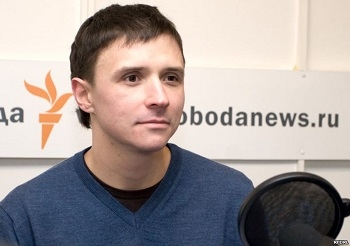
Gazeteci İvan Sukhov son 15 yıl boyunca Rusya ve BDT’deki çatışmaları takip etti.
Valdai’de soru şuydu : devlet başkanı hangi “ulusu” veya “halkı” kastediyordu ? Ruslarla Çeçenleri ; Rus Ortodoksları, Müslümanları ve ateistleri ; ülkenin 143 milyonluk çok renkli nüfusunu birleştiren ; sosyologların özlemini duyduğu yurttaşlık hukukuna dayalı modern ulusu mu ? Yoksa milliyetçilerin Rus Yürüyüşünde attıkları sloganlarına paralel olarak etnik Slav "halkı" ve "ulusu" mu ?
İki seçenek de Putin için sorunlu. Yurttaşlık hukukuna dayanan siyasal ulus tanımını tercih ederse milliyetçilerden liberallere kadar farklı grupları karşısına alacak. Ukraynalı meslektaşı Viktor Yanukoviç de Şubat ayında Ukrayna ulusunun siyasal seferberliğinin “kurbanı” olmamış mıydı ?
“Rus dünyası” kurulması ve “Novorossia”daki ayrılıkçı milislerin desteklenmesi çağrısı yapanlara yaklaşırsa ülke nüfusunun beşte birini oluşturan Çeçenleri, Tatarları, Başkurtları, Osetleri, Avarları, Yakutları, Nenetleri, Tuvaları ve diğerlerini yabancılaştıracak.
Rusya’nın geleceğine ilişkin iki farklı telakki arasında seçim yapmak zorunda kalmak Kremlin için yeni bir durum. Ruslar ülkedeki diğer etnik gruplara göre hep daha pasif oldular. Rusya İmparatorluğu döneminden beri kendilerini asıl etnik grup olarak görürken devleti de birincil sosyal örgütleri gibi algıladılar. Adı “Rusya” olan bir ülkede Ruslar’ın ne Ulusal Selamet Cephesi’ne ne de milliyetçilerin Rus Yürüyüşü’ne ihtiyaçları vardı.
Ancak Kuzey Kafkasyalı bir grubun 2010’da genç Rus futbol taraftarını öldürmesinin ardından Moskova’daki Manej Meydanı’nda yaşanan kitlesel olaylar ve milliyetçilerin 2011-12 yıllarında yığınsal siyasal protestolara faal katılımı yönetimi “Rus sorunu” üzerinde durmaya sevk etti.
Makamlar araştırma enstitülerine etnik Ruslar’ın sosyal ve siyasal tavırlarını tesbit etme talimatı verdiler. Sonuçlar Ruslar’ın artık devlete güvenmediğini, ne olursa olsun çıkarlarını koruyacağına inanmadığını ortaya koyuyordu.
Etnik Ruslara diğer grupların sahip olmayacağı özel ayrıcalıklar verilmesini savunanların sayısı artıyordu. Bu hissiyat geçmişteki “Rusya Ruslarındır !” sloganını çağrıştırıyordu. Moskova bu etnik gerilimin merkezinde yer alıyor. İş bulmak için başkente gelen Orta Asyalı göçmenlerle taşralı Ruslar arasında çatışmalar yaşanıyor.
Bu ve diğer faktörler Rus milliyetçiliğini bir yıl önce siyasal gündemin ilk maddesi yaparken Kremlin ne yapacağını bilmiyordu. Milliyetçiler bir yandan yönetimin yeni potansiyel müttefikleri olarak görülüyordu. Diğer yandan muhalefet milliyetçilerin öncülüğünü yapacağı değişim dalgasının mevcut rejimi devirmesini umuyordu.
Sonra Ukrayna krizi çıktı.
Yönetim Rus milliyetçiliğinin marjinal yeraltı hareketi olmaktan kurtulup devlete ait saygın televizyon kanallarına çıkabilmesinin önünü açabilirdi. Bu akılcı bir davranış olurdu. Ama tam tersi oldu.
Milliyetçi hareketlerin Ukrayna’yı bölmesi Putin yönetiminde Rus milliyetçisi liderlerle yakınlaşmaya hazır olanları ürküttü. Birçok Rus milliyetçisi Maidan protestolarını Ukrayna ulusal devrimi olarak gördü ve aynı formülü Rusya’da tekrarlamayı ümit etti.
Milliyetçiler kendilerini imparatorluğun sadık askerleri ilan etseler ve savaşmak için Novorossia’ya gitseler de Moskova –onlardan kuşkulanmak için görünürde bir sebep olmasa bile- bu unsurları fazla bağımsız buluyordu. Ukrayna’daki Kremlin-yanlısı ayrılıkçılarla silah arkadaşlığı yapan Rus milliyetçileri Moskova’nın Minsk Protokolü’nü imzalamasını ve Batı ile görüşmeler yapmasını ihanet olarak değerlendirdiler.
Resmi makamlar ve Rus milliyetçileri arasındaki aşk bitti veya bitmek üzere. Rus Yürüyüşü’nü düzenleyenler ilk defa bu yıl izin almakta zorlandılar. Ekim ayında milliyetçi lider Alexander Belov tutuklandı ve hakkında ciddi suçlamalar yapıldı. Yönetim günün birinde lastik yakarak barikat kurmaya ve Moskova’nın göbeğinde polis karakollarına saldırmaya muktedir güçleri daha fazla kuvvetlendirmek istemiyor.
Bir yıldır Ukrayna’daki “faşist cuntaya” dil uzatanların ve kendini faşizmle savaşan asıl güç olarak tanıtanların başkent caddelerinde Alman Nazi Partisi’nin bayraklarını ve simgelerini taşıyarak yürüyüş yapanları cesaretlendirmesi tuhaf olur.
Ne var ki bu görüntüler devlet kontrolündeki televizyon yayınlarına girdi bile. Rus Yürüyüşü’ne ilginin azalmasının sebeplerinden biri bu olabilir : Putin kendini ülkenin baş milliyetçisi ilan etmişken SS şapkaları takan Moskovalı kaçıklarla kim ilgilenir ?
Bu milliyetçilik Putin’in siyasal stratejistleri tarafından uydurulan ve hiçbir ulusal değeri kutlamayan 4 Kasım bayramı kadar boş. Artık hiç kimse hangi değerlerin çok-etnili Rusya’yı ve hatta etnik Rusları bir arada tutabileceğini bilmiyor. Bu büyük siyasal hedefleri olduğunu iddia eden bir ülke için tehlikeli bir durum.
Çeviri : Dr. Ömer Aytek Kurmel
Cherkessia.net , 10 Kasım 2014
********
Why Russia's Unity Day Has No Meaning
Ivan Sukhov, Nov. 05 2014
The Moscow Times
Nov. 4 is a new holiday introduced in the early 2000s that replaces the previous anniversary of the Bolshevik Revolution of 1917, which the country celebrated on Nov. 7. So far, the main event on Nov. 4 is an annual "Russian March" of nationalists who, for some reason, concluded that the new holiday was invented especially for them.
But even though nationalists staged two separate marches in Moscow on Nov. 4, this year's demonstrations were not as sensational as previous rallies.
Perhaps this was because their nationalist and imperialist slogans have become part of the political mainstream. President Vladimir Putin himself has taken up the banner of nationalism, most recently in his recent speech to the Valdai Discussion Club, which effectively established him as Russia's leading nationalist.
But Putin's rhetoric at Valdai confounded sociologists who, over the past 15 years that Putin has held power, had become accustomed to gauging Russia's post-Soviet identity by counting how many times Putin used the word "natsia" — meaning "nation" or "people" — in his annual presidential address to parliament.
The question at Valdai was: To which "nation" or "people" is the president referring ? Does he mean nation like the one sociologists dream of seeing, a modern civic nation uniting Russians and Chechens, Russian Orthodox, Muslims and atheists and the country's entire diverse population of 143 million people ? Or is Putin speaking of "people" and "nation" in the ethnic Slavic sense, like the slogans the nationalists shout out at the Russian March ?
In fact, both options have their drawbacks for Putin. If he appeals to the first, inclusive type of civil and political nation, then he stands the risk of inspiring disparate groups, from nationalists to liberals, to unite against him — like what happened to his Ukrainian colleague Viktor Yanukovych, a "victim" of the Ukrainian nation's political mobilization in February.
If he appeals to the second, he aligns himself with the current trend of calling for the building of a "Russian world" and for supporting separatist militias in "Novorossia" — but he would risk alienating a fifth of Russia's population who are Chechens, Tatars, Bashkirs, Ossetians, Avars, Yakuts, Nenets, Tuvans and others.
This stark choice between two competing national conceptions of Russia's future is something new for the Kremlin. Russians have traditionally been more passive than other ethnic groups in the country. Ever since the time of the Russian Empire, they have naturally considered themselves the state's main ethnic group and have considered that state as their primary unit of social organization. In a country called "Russia," Russians had no need of either a National Salvation Front or a Russian March of nationalists.
But the massive disturbance that erupted on Manezh Square in Moscow after a group of people from the North Caucasus killed a young Russian football fan in 2010 and the active participation of nationalists in the mass political protests of 2011-12 forced the presidential administration to take a serious look at the "Russian question."
The authorities instructed research institutes to ascertain the social and political attitudes of ethnic Russians. They learned that Russians are losing faith that the Russian government will unconditionally defend their interests, are feeling increasingly ill at ease and are losing confidence in the government.
Against this backdrop, an increasing number of Russians told pollsters that they would prefer a system granting ethnic Russians certain privileges compared with all other ethnic groups. Such sentiments echo the old slogan: "Russia for Russians!" The nation's capital is at the center of this ethnic tension, fueled by clashes between the large numbers of Central Asian migrants who have come seeking higher wages and a similarly large influx of provincial Russians seeking the same.
These and other factors put Russian nationalism at the top of the political agenda about one year ago, but the Kremlin had a hard time figuring out what to do. On one hand, the ruling authorities looked at nationalists as potential new political allies. On the other hand, the opposition had hoped that nationalists would become an engine of revolutionary change that would sweep away the current political regime.
But then the Ukraine crisis hit.
Although at that point the Russian authorities might logically have chosen to fan the flames of Russian nationalism by letting it rise up from marginal underground movements to find a place on respectable state-controlled TV channels, just the opposite often happened.
This is primarily because it was nationalist movements that split Ukraine, scaring those in the Putin administration who had been ready to flirt with Russian nationalist leaders. Many Russian nationalists viewed Maidan as a Ukrainian national revolution and hoped to repeat that formula in Russia. And while conditions had not yet "ripened" for that in Russia, some of those nationalists joined the Maidan protests at first and then volunteer battalions of the Ukrainian National Guard conducting anti-terrorist operations in Donbass.
As for those nationalists who declared themselves loyal soldiers of the empire and went off to fight for Novorossia, the Moscow authorities — who seemingly had no reason to suspect them of disloyalty — nevertheless found them too independent. What's more, those Russian nationalists fighting on the front lines with pro-Kremlin separatists in Ukraine view Moscow's decision to sign the Minsk Protocol and negotiate with the West almost like a stab in the back.
The love affair between the authorities and Russian nationalists seems to have come to an end, or is close to finished. The organizers of this year's Russian March encountered difficulties gaining a permit for perhaps the first time ever. In October, the authorities even arrested nationalist leader Alexander Belov and filed serious criminal charges against him. The presidential administration clearly does not want to continue fostering forces that are fully capable of one day setting barricades of tires aflame and storming police stations in central Moscow.
Finally, after spending almost a year defaming the "fascist junta" in Ukraine and presenting themselves as the main fighters against fascism, it would, of course, look strange for leaders to encourage people who parade through the streets of the capital carrying flags and symbols that are deliberately reminiscent of the German Nazi Party.
However, this style taken from the World War II-era past is already firmly entrenched on state-controlled TV programming — and perhaps it is also one of the reasons for the declining interest in the Russian March: Who is interested in Muscovite freaks wearing SS caps when Putin himself has said that he is the country's main nationalist ?
But that nationalism is just as empty as the Nov. 4 holiday concocted by Putin's political strategists, an event that does not celebrate any particular national values. It seems that nobody knows anymore which set of values is capable of uniting multiethnic Russia — or even ethnic Russians for that matter. And that is a dangerous condition for a country that claims to have major political ambitions.
Ivan Sukhov is a journalist who has covered conflicts in Russia and the CIS for the past 15 years.
Bu haber toplam 2504 defa okundu.


Bu habere yorum eklenmemiştir. İlk yorumu siz ekleyin.