Karakter boyutu :


Georgy Bovt:Putin Rusya İmparatorluğundan İlham Alıyor

02 Aralık 2014 Salı Saat 17:53
Georgy Bovt, 25 Kasım 2014
19. yüzyılda hüküm süren İmparator I. Alexander için Kremlin yakınında bir anıt dikilmesi ve Devlet Başkanı Vladimir Putin’in açılış törenine katılması hakkın teslim edilmesiydi. Moskova’daki Alexandrovsky Bahçesi imparatorun adını taşıyor. Bolşevikler tarafından yıkılıp eritilinceye kadar aynı yerde imparatorun bir de anıtı vardı. Putin imparatorun anısına özel bir saygı göstererek sadece Rusya’nın Napolyon karşısında kazandığı zaferin 200. yıldönümünü kutlamakla kalmıyor, modern Rusya’yı Rusya İmparatorluğu’nun halefi gibi konumlandırmaya devam ediyor.
20 Kasım’da yapılan törende Putin I. Alexander’ın Avrupa güvenlik sisteminin kurucularından birisi olduğunu söyledi. Putin "dengenin koşulları o zaman yaratıldı. Sistemin temelinde farklı ülkelerin çıkarlarına karşılıklı saygı gösterilmesi yanında ahlaki değerler de vardı” dedi. Bu sözlerle hem Avrupa ve dünya meselelerinde ciddi bir güç olmak isteyen hem de “çürümüş ve ahlaksız Batı” karşısında denge olmak isteyen modern Rusya’ya gönderme yapıyordu.
Napolyon Savaşları’nın ardından galip güçler Fransız Devrimi ve Napolyon’un tetiklediği süreçlerin tahrip ettiği feodal ve mutlakiyetçi monarşilerini ihya etmeye koyuldular. O günlerde Rusya diğer devletleri Moskova’nın bugün Ukrayna ve Kırgızistan’daki “renkli devrimlere” baktığı gibi algılıyordu. Ukrayna ve Kırgızistan yönetimlerinin renkli devrimlerden sonra ihya etmeye çalıştıkları düzen geçmişin monarşik ve feodal sistemine benziyordu.
Viyana Kongresi 1814-15’de Avusturyalı devlet adamı Klemens Wenzel von Metternich başkanlığında toplandı. Kongre Osmanlı İmparatorluğu dışındaki tüm Avrupa ülkelerinin temsilcilerini bir araya getirdi. Viyana Kongresi İkinci Dünya Savaşı’ndan sonra Avrupa’yı şekillendiren Yalta ve Potsdam konferansları ve farklı blokların üyesi devletler arasındaki ilişkileri düzenleyen 1970 Helsinki Konferansı ile mukayese edilebilir.
Entrika ve karşılıklı güvensizliğin egemen olduğu bir dönemde rakip monarşilerin anlaşmaya varabilmiş olmaları çok şaşırtıcı. Moskova’nın Yalta, Potsdam ve Viyana konferanslarının yarattığı uluslar arası ilişkiler modeline geri dönmek istemesi çok anlaşılabilir olsa gerek.
Avrupa haritasını yeniden çizen Viyana Kongresi’nin hükümleri arasında -tarihçilerin daha sonraki ifadesiyle- Polonya’nın dördüncü parçalanması vardı. Napolyon’un kurduğu Varşova Dükalığı Polonya Krallığı adını aldı ve Rusya İmparatorluğu’na bağlandı. Böylece İmparator I. Alexander Polonya’nın da kralı oldu. Avusturya Polonya’nın güneyine ve “Kızıl Rusya”nın büyük kısmına (bugünkü Ukrayna’nın batısı) sahip oldu.
1939 Molotov-Ribbentrop Paktı ile toprakları büyüyen Ukrayna’nın bugün Rusya-yanlısı güneydoğu ve Avrupa-yanlısı Galiçya temelinde kültürel ve siyasal ayrışmasının kökleri Viyana Kongresi’ne dayanıyor. Batı Polonya Prusya’ya geri döndü. İsviçre en şanslı katılımcıydı. Bu ülkenin tarafsızlığı
Viyana Kongresi‘nde ilan edilmiş ve Avrupa tarafından güvence altına alınmıştı. İsviçre o zaman zenginleşmeye başladı. İki dünya savaşının da dışında kalması sayesinde kalkınması kesintiye uğramadı.
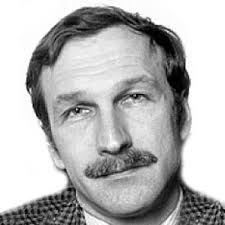
Georgy Bovt: Siyaset Analizcisi
Viyana Kongresi Avrupa’da yeni bir güçler dengesi oluşturmakla ve dönemin dört “süper gücünü”
-Rusya, Avusturya, Prusya ve Britanya- lider konumuna taşımakla kalmadı, 19. yüzyıl Rus diplomasisinin doruk noktasını da teşkil etti. Moskova Avrupa’yı kendi isteklerine göre biçimlendirmeyi bugün ancak hayal edebilir. Rusya gücünü I. Alexander’in ölümünden sonra Çar I. Nikola dönemi boyunca ve 1856 Kırım Savaşı yenilgisine kadar korudu.
I. Alexander’ın dönemi Napolyon’la savaş öncesi ve sonrası olmak üzere ikiye ayrılabilir. İlk dönemde büyük annesi Katerina’nın izinden yürüyerek reformlara imza attı. Bunlar arasında köleliğin sınırlandırılması, hatta tamamen yasaklanması vardı. Reformcu Kont Mikhail Speransky çarın gözde devlet adamıydı.
I. Alexander hükümet ve eğitim sistemi seviyesinde kapsamı reformlar yaptı. Tüm devlet kurumlarını Avrupa modeline göre dönüştürmek ve Avrupa ile uzlaşmak istedi. Speransky’nin hazırladığı kapsamlı radikal burjuva siyasal reformları Devlet Duma’sının kurulmasını ve anayasal monarşiye geçilmesini öngörüyordu.
Putin "I. Alexander dönemi Rusya için dirilme ve güçlenme devriydi. Birçok siyasal ve yasal reform yapıldı. Rusya’nın dünya çapında ilk keşif seferleri başlatıldı. Beş yeni üniversite kuruldu" dedi. Aynısı Putin’in ilk görev süresi için de söylenebilir. O dönemde bir dizi reform hayata geçirilmişti.
I. Alexander büyük annesi Katerina’nın Avrupa’ya kapattığı ve I. Paul’ün devrim korkusuyla kapalı tuttuğu kapıları tekrar açtı. Daha önce sansürlenmiş yabancı kitaplar Rusya’ya akın etti. Hatta kitapların sansürlenmesi tamamen yasaklandı, çok sayıda Rus yabancı ülkelerde eğitim görmeye başladı ve I. Alexander yönetiminde tek bir kişi bile ölüm cezasına çarptırılmadı.
Adını Rus General ve Kont Alexei Arakcheyev’in reaksiyoner baskılarından alan "Arakcheyevshchina" İmparator Alexander’ın ikinci döneminin simgesi oldu. İmparator kölelerin azad edilmesi için ön hazırlıklar yapsa da reform hevesi bir hayli azaldı. 1820 yılında Avrupa’da devrimler başladığında ve Rusya içinde Semenov alayı isyan ettiğinde –Rusya’da 2011 sonu ile 2012 başı arasındaki kitlesel protestolar gibi- imparator demir yumrukla karşılık verdi ve reform düşüncesinden tamamen vazgeçti.
I. Alexander’ın ölüm sebebi uzun süre saklandı. İmparator Taganrog’da tifo yüzünden hayatını kaybetmişti. Ama liderlik yapmaktan yorularak Fyodor Kuzmich adıyla inzivaya çekildiği ve 1864 yılında Tomsk’da öldüğü söylendi. Bu anlatı doğruysa eski imparator 1825 Aralık ayaklanmasının bastırılmasından sonra halefi Çar I. Nikola yönetiminde Rusya’nın gericileştiğini, Avrupa’daki eski nüfuzunu kaybettiğini ve teknolojik bakımdan gerilediğini görmekten dolayı üzülmüş olmalı.
Bu gerilemeyi Rusya’nın Kırım Savaşı’ndaki yenilgisi izledi. Mağlubiyetin ardından Çar II. Alexander’in liberal reformları geldi. Yönetimin yakın gelecekte İmparator I. Nikola adına bir anıt dikme ihtimali çok zayıf. Ama Çar II. Alexander için bir anıt dikildi bile. O da Kremlin’den çok uzakta değil.
Çeviri : Dr. Ömer Aytek Kurmel
Cherkessia.net, 2 Aralık 2014
*****
Putin Is Inspired by Russian Empire, Georgy Bovt
Nov. 25 2014
The decision to erect a monument to 19th-century Emperor Alexander I near the Kremlin, and for President Vladimir Putin to participate in the unveiling ceremony, is an act of historical justice. After all, Moscow's Alexandrovsky Garden is already named after him, and a monument to him used to stand there before the Bolsheviks removed it and had it melted down. By giving special attention to perpetuating the memory of the emperor, Putin not only commemorated the 200th anniversary of Russia's victory over Napoleon but also continued his campaign to position modern Russia as the successor to the Russian Empire.
During the ceremony on Nov. 20, Putin referred to Alexander I as one of the founders of a system of European security. "It was then that conditions for the so-called balance were created, based not only on mutual respect for the interests of different countries, but also on moral values," Putin said. His words clearly referred equally to modern Russia, as it strives to have not only a loud voice in European and global affairs but to also claim a sort of moral leadership as a counterbalance to the "rotten and immoral West."
Following the Napoleonic wars, the victorious powers set out to restore their feudal and absolutist monarchies that had been destroyed by processes triggered by the French Revolution and Napoleon's actions. In those days, Russia probably perceived its contemporaries much as Moscow now views the "color revolutions" in Ukraine and Kyrgyzstan — that is, as popular uprisings after which the authorities had to struggle to restore order. And at its core, today's order is much like the monarchical and feudal system of the past.
The Congress of Vienna was held in that city in 1814-15, with Austrian statesman Klemens Wenzel von Metternich presiding. It brought together representatives of all the European countries except the Ottoman Empire. The Congress of Vienna is comparable to the Yalta and Potsdam conferences that shaped Europe after World War II, and to some to extent the Helsinki Conference in 1970 that regulated the interaction of the various states that, by that time, had aligned into different blocs.
Looking back, it is amazing that those contentious monarchies were able to reach an agreement given the atmosphere of cynicism, intrigue and mutual distrust that existed. Apparently, today's leaders in Moscow would like to see a return to the model of international relations that characterized the Yalta, Potsdam and Vienna gatherings.
The Congress of Vienna completely redrew the map of Europe and included what historians would later refer to as the fourth partitioning of Poland. Part of the Duchy of Warsaw that Napoleon had created took the name of the Congress Kingdom of Poland and became part of the Russian Empire, making Emperor Alexander I also the king of Poland. Austria received the southern part of Poland and a large part of so-called "Red Russia," today's western Ukraine.
This is the origin of the current cultural and political split in Ukraine, a country that grew territorially in part through the Molotov-Ribbentrop Pact of 1939 — toward the pro-Russian southeast and the pro-European Galicia. Western Poland returned to Prussia. Switzerland was the luckiest participant because it was there at the Vienna Congress that its neutrality was proclaimed and guaranteed by Europe. From that point onward, the Swiss economy began to flourish, undisturbed even by the two subsequent bloody European wars that bypassed the country.
The Vienna Congress established not only a new balance of power in Europe and put the four "superpowers" of the time — Russia, Austria, Prussia and Britain — in the leading roles, it also marked the pinnacle of 19th-century Russian diplomacy. Today, Moscow can only dream of simply "carving up" Europe according to its wishes. In fact, Russia retained that level of influence after the death of Alexander I, under Tsar Nicholas I and right up to Russia's defeat in the Crimean War in 1856.
As for perpetuating the legacy of Alexander I, his rule was sharply divided between the period prior to the war with Napoleon and that which followed. During the first period he followed the example of his grandmother, Catherine the Great, by implementing reforms that included restrictions on the institution of serfdom and even went so far as to consider abolishing the practice altogether. The reformer Count Mikhail Speransky was a personal favorite of his.
Alexander I implemented large-scale reforms to the higher levels of government and the education system. He set out to transform all state institutions according to European models and to achieve a rapprochement with Europe. Speransky prepared a comprehensive set of radical bourgeois political reforms that even included the planned establishment of an elected State Duma and, consequently, a constitutional monarchy.
Putin said, "The era of Alexander I was a time of Russia's revival and consolidation. Many state and legal reforms were carried through, the first Russian round-the-world expedition was launched, and five new universities were founded." The same is largely true of Putin's first term in office, when his administration actively introduced a number of reforms to government.
In addition, Alexander I largely reopened Russia's doors to Europe after Catherine the Great had closed them and Emperor Paul I, fearing a revolution, had practically locked them down behind an Iron Curtain. Foreign books began flowing into Russia, whereas censors had previously blocked them all. In fact, the censorship of books was completely abolished, great numbers of Russians began studying abroad, and not a single person was subjected to the death penalty during the reign of Alexander I.
The "Arakcheyevshchina" — reactionary repression made infamous by Russian General and Count Alexei Arakcheyev — became the symbol of the second period of Emperor Alexander's rule. His ardor for reform cooled considerably, although he did make preliminary plans for liberating the serfs. However, it never went any further. When the European revolutions began in 1820 and Russia's own Semenov regiment rebelled — not unlike Russia's mass protests from late 2011 to early 2012 — the emperor responded with an iron fist and forgot all thoughts of reform.
The death of Alexander I was long shrouded by the myth that he had not actually died of typhoid fever in Taganrog, but had grown tired of the hassles of leadership and taken on the guise of an old hermit named Fyodor Kuzmich, dying only in 1864 in Tomsk. If true, he would have probably regretted seeing how, after suppressing the Decembrist uprising in 1825, Russia became highly reactionary under his successor, Tsar Nicholas I, causing the country to lose its former influence in Europe and pushing it into technological backwardness.
That, in turn, resulted in Russia's defeat in the Crimean War and led to the modernizing liberal reforms of Tsar Alexander II. It is very unlikely that the authorities will put up a monument to Emperor Nicholas I in the near future, although they have already erected one to Tsar Alexander II — also not far from the Kremlin.
George Bovt: is a political analyst.
Bu haber toplam 2469 defa okundu.


Bu habere yorum eklenmemiştir. İlk yorumu siz ekleyin.