Karakter boyutu :


Alexander Podrabinek: Yanılsamaların Sonu

15 Aralık 2014 Pazartesi Saat 20:22
Alexander Podrabinek, 5 Aralık 2014
Kasım 1989’da Berlin Duvarı’nın çöküşü Soğuk Savaş’ın bittiği anlamına geliyordu. Yazar Alexander Podrabinek’e göre son çeyrek asırda Batı demokrasileri kendilerini Rusya’nın hukukla yönetilecek modern bir ulus olacağı beklentisine kaptırdılar. Şimdi gerçekle yüzleşme zamanı.
Doğu Avrupa’da komünist rejim 1989 sonbaharında çöktü. Özgür Almanya’yı sosyalist soydaşından ayıran Berlin Duvarı’nın çöküşü bu tarihsel olayın simgesi oldu. Berlin Duvarı şaşırtıcı biçimde kolay çöktü. Kan dökülmedi. Halk Alman Demokratik Cumhuriyeti’ni ve sosyalist “değerlerini” savunmadı. Duvar yıllarca Soğuk Savaş geriliminin sembolü oldu. Çöktükten sonra bölge nihayet biraz huzura kavuştu.
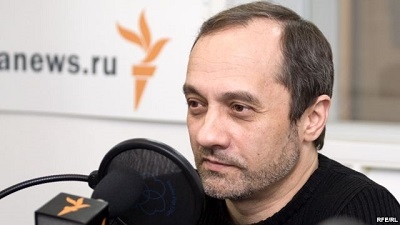
Alexander Podrabinek:Tanınmış Rus gazeteci, yazar ve insan hakları aktivisti.
Duvarın çöküşü coşku, heyecan ve zafer duygularıyla karşılandı. Demokrasiyle totaliterlik arasındaki Soğuk Savaşı kuşkusuz birincisi kazanmıştı. Ne var ki Soğuk Savaş enkazı üzerinde yükselen barış dünya çapında yankılanan savaş çığlıkları kadar sürekli olmadı. Komünizm canavarı yenilmişti ama yok edilememişti. Sovyetler Birliği’nde yaşayan hayaleti Çin, Vietnam ve Küba’da nefes almaya devam ediyor.
Zafere inanma ve komünizm olmadan barışçıl bir hayata başlama itkisi o denli güçlüydü ki iki yıl sonra Sovyetler Birliği çöktüğünde dünya demokrasinin altın çağının başlayacağına inanıyordu. İnsanlar artık nükleer tehditten, silahlanma yarışından, askeri restleşmelerden, saldırgan söylemlerden ve karşılıklı suçlamalardan korkmayacaklardı. Avrupa’nın mutluluğunun özü bu değil miydi ? Gerçek demokratik dünyayı bu temsil etmiyor muydu ?
Çoğu zaman dileklerimiz yeteneklerimizi aşar. Rusya demokrasi yolunu benimsediğini ilan edip cömert mali yardıma mazhar olduğunda Batı’nın barış arzusu sağduyuya ve basirete baskın geldi.Avrupa Konseyi, uluslararası siyasal örgütler vemali kulüpler Rusya’yı üye yapmak için sıraya girdiler. Rus hükümetinin demokratik yapıları kurmada sergilediği isteksizlik Batı tarafından sıkıntılı geçiş sürecinin, Rusya’ya egemen olan zihniyetin, mali sorunların ve ekonomik yavaşlığın gereği gibi algılandı.
İlk olumsuz sinyal Rusya’nın daha önce yasakladığı ölüm cezasını ihya etmesi oldu. Batı bunu es geçti. Ardından Çeçenya’da savaş başladı. Rusya savaşta -Avrupa İnsan Haklarını ve Temel Özgürlükleri Koruma Konvansiyonu’na uymak bir yana- genel geçer demokrasi nosyonuna bile uygun davranmadı. Ne var ki Batı demokrasileri her şey yolundaymış ve Rusya demokrasi ailesinin parçasıymış gibi hareket etmeye devam etti.
KGB yarbayı Vladimir Putin iktidara geldikten sonra Rusya’daki durum baş aşağı gitti : medeni haklar kısıtlandı ; filizlenen özel sektör yolsuzluk tehdidiyle karşılaştı ; dış politika giderek saldırganlaştı ; Kremlin’in söylemi yayılmacı ve Batı karşıtı hale geldi. Rejimin iç yüzünü teşhir eden 2008 Savaşı bile Batı’nın Putin Rusya’sına duyduğu sempatiyi değiştirmedi.
Kırım’ın ilhakının ve Rusya’nın Ukrayna’ya müdahalesinin ardından Batı nihayet gerçekleri fark etti. Bunu yaptırımlar izledi. İlişkiler bozuldu. 1996 yılında yapılması gerekenler ancak 18 yıl sonra yapıldı. Aradan geçen sürede Rusya demokratik kurumların çoğunu yok etti ve yayılmacı emelleri güçlendi.
Berlin Duvarı’nın çökmesinden ve Soğuk Savaş’ın kazanılmasından 25 yıl sonra bugün durum 1970’lerin sonuna benziyor. Rusya silahlı kuvvetlerine, keşif ve sabotaj operasyonlarına başvurarak etki alanını genişletiyor. İtaatkar yargı sistemi muhalif sesleri kısıyor. Devlet Rus medyasını yakın gözetim altında tutuyor. Yaygın propaganda yoluyla “büyük güç” şovenizmi ve Rus halkının üstünlüğü öğretiliyor. Ayrıca ülkenin doğal kaynaklarını ve geleneksel değerlerini tehdit eden dış düşmanlara nefret duygusu işleniyor. Rus kuvvetleri başka ülkelerde askeri harekata başlamaya hazır olduklarını gösterirken TU-160 uzun menzilli bombardıman uçakları Batı ülkelerinin sınırlarında güç gösterisi yapıyor.
Yeni bir Soğuk Savaş artık geleceğe dönük bir tehdit değil ; bugünün gerçekliği. Gerçeği söyleme zamanı geldi. Sahte barışın yanılsamasından kurtulmak gerekiyor. Batı Rusya tehdidine karşı yeni bir Soğuk Savaşla karşılık vermelidir. Bunun alternatifi Batı’nın demokratik değerlerinden vazgeçmesi, boyun eğmesi ve Kremlin’le her şartta barış yapmasıdır.
Sayıları artan siyasal mahkumların ve yeni siyasal mülteci dalgasının gösterdiği gibi Rusya zaten soğuk iç savaşla karşı karşıya. Rus toplumu ve Batı demokrasileri 25 yıldır büyülenmiş gibilerdi. Rusya’yı hukukla yönetilen modern bir ülke gibi görüyorlardı. Zor da olsa er geç demokratikleşecekti. Rusya nihayet uyandı. Şimdi sıra Batı’da.
Kaynak : Institute of Modern Russia
Çeviri : Dr. Ömer Aytek Kurmel
Cherkessia.net, 15 Aralık 2014
*****
The End of Illusions
Alexander Podrabinek, 05 December 2014
The fall of the Berlin Wall in November 1989 signaled the end of the Cold War. According to writer Alexander Podrabinek, over the last quarter-century, most Western democracies have been indulging in wishful thinking by considering Russia to be a modern nation governed by law. The time has come to face the stark reality.
The autumn of 1989 marked the collapse of the Communist regime in Eastern Europe. The demolition of the Berlin Wall that separated free Germany from its socialist counterpart became the symbol for that historic event. The Berlin Wall fell in a surprisingly simple manner—without bloodshed or people defending the German Democratic Republic and its socialist “values.” For many years, the Wall had been the symbol of Cold War tensions, and after its demolition, the area has finally enjoyed some peace.
The event was initially marked by euphoria, enthusiasm, and a sense of triumph. There was no doubt that in the Cold War of democracy versus totalitarianism, the former had prevailed. However, the peaceful times that settled on the ruins left in the aftermath of the Cold War have not been as stable as the echoes of war that reverberated across the world. The communist monster was quasi-vanquished, but not completely crushed. Its ghost was alive in the Soviet Union, and it is still breathing in China, Vietnam, and Cuba.
So strong was the temptation to declare and believe in victory and begin a peaceful life without communism, that after the collapse of the Soviet Union two years later, the world anticipated the beginning of a golden age of democracy. No more would people dread nuclear threat, arms races, military standoffs, aggressive rhetoric, and mutual accusations. Was this not the epitome of European happiness? Was this not representative of a truly democratic world?
Often our wishes supersede our capabilities, and the West’s wish for peace superseded common sense and prudence when Russia started receiving abundant Western support and financial assistance upon declaring its adoption of a democratic path. The European Council, international political organizations, and financial clubs stepped in to offer Russia membership. The Russian government’s baffling unwillingness to establish and develop democratic organizations in the country was viewed by the West as part of the difficult transition and Russia’s flawed mentality, financial issues, and economic sluggishness.
The first troublesome sign came very soon, when Russia went back on its earlier commitment to introduce a death penalty moratorium in peacetime and abolish the death penalty in its Criminal Code. The West failed to notice that sign. It was followed by the war in Chechnya, an act by Russia that did not align with the globally accepted notion of democracy, let alone the European Convention for the Protection of Human Rights and Fundamental Freedoms. Nevertheless, Western democratic countries continued to act as if nothing extraordinary had happened and Russia were still part of the world’s democratic community.
After KGB lieutenant colonel Vladimir Putin came to power, the situation in Russia took a nosedive: civil rights were drastically curtailed; the nascent free enterprise sector was under constant threat of heavy corruption; the country’s foreign policy grew increasingly aggressive; and Kremlin rhetoric became imperialistic and openly anti-Western. Even the 2008 war with Georgia, which exposed the antagonistic nature of the Putin-led regime, was not enough to change the West’s sympathy toward Putin’s Russia.
In the wake of the Crimea annexation and Russia’s involvement in Ukraine, the West has finally come to its senses. The long-overdue epiphany had been followed by sanctions and deteriorating relations. What should have been done in 1996 was finally accomplished eighteen years later—during which time, Russia has successfully done away with the majority of its democratic institutions and boosted its imperialistic ambitions.
Today, twenty-five years after the fall of the Berlin Wall and the triumphant end of the Cold War, we are facing a situation that strongly mirrors that which existed at the end of the 1970s. Currently, Russia is assertively expanding its sphere of influence by resorting to its army and special reconnaissance and sabotage tactics. A subservient court system is effectively suppressing any opposing views, and the government is closely monitoring Russian mass media. Large-scale propaganda is extensively used to inculcate notions of “great-power” pride and national exceptionalism in the Russian people, as well as to instill in them fear of a foreign enemy that threatens the country’s natural resources and traditional values. Russian military forces are demonstrating their readiness to begin military operations in another country, while TU-160 long-range strategic bombers fly conspicuously along the borders of Western countries.
The resurgence of the Cold Was is no longer a threat looming in our future; it is a reality of today’s world. It is time to tell the truth and stop dwelling in wishful thoughts of an illusory peace. The new Cold War is a necessary and appropriate response by the West to the Russian threat. The unattractive alternative would require the West to defect from its democratic values, capitulate, and make peace with the Kremlin on any terms.
Russia is already facing a cold civil war and its telltale signs, including an increasing number of political prisoners and a new wave of political exodus. For almost a quarter of a century, Russian society and Western democracies have been under a hypnotic spell, having viewed Russia as a modern country governed by law—a country that would occasionally stumble along its difficult path to democracy. Russia has finally awoken from this illusion, and it is time for the West to do the same.
Prominent Russian journalist, writer and human rights activist.
Source : Institute of Modern Russia
Bu haber toplam 2495 defa okundu.


Bu habere yorum eklenmemiştir. İlk yorumu siz ekleyin.