Karakter boyutu :


Çerkes Aktivizmi : Tiago Ferreira Lopes ile Sorular ve Cevaplar

16 Aralık 2014 Salı Saat 21:34
Strategic Outlook , 21 Şubat 2014
 Soçi’de düzenlenen Kış Olimpiyatı’nın yarısı geride kalsa da protestolar sürüyor. 18 Şubat Salı günü tanınmış feminist punk rock grubu Pussy Riot’un iki üyesi Soçi’nin merkezinde tutuklandı. Olimpiyat öncesinde yolsuzluğun izini süren çevreci aktivist Evgeny Vitishko üç yıl hapis cezasına mahkum edildi. Rusya’nın 19. yüzyılda Çerkeslere uygulanan soykırımı tanıması talebiyle düzenlenen protesto gösterisinde tanınmış Çerkes aktivist Asker Sokht gözaltına alındı. Dünya Pussy Riot ve Rusya’daki çevreci protestolarının yabancısı olmasa da Olimpiyat oyunları başlarken Çerkesleri çok az kişi tanıyordu.
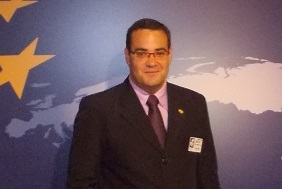
Çerkes ulusal gururunun uyanışını konu alan “Soçi’nin Gölgesi” makalesinin ışığında Kuzey Kafkasya uzmanı Tiago Ferreira Lopes ile söyleşi yaptım. Amacım Çerkes aktivizminin tırmanışının daha iyi anlaşılmasını sağlamak. Lopes İnsan Güvenliği Gözlemevi’nde yönetici ve Türk düşünce kuruluşu Stratejik Bakış’ta uzman olarak görev yapıyor.
Soçi’nin Gölgesi : Modern Çerkes aktivizmini nasıl tanımlıyorsunuz ?
Tiago Ferreira Lopes: Modern Çerkes aktivizmi en ilginç etno-ulusal hareketler arasında yer alıyor. Siyaseti kültürle harmanlıyor. Çerkes meselesinin hem siyasal (Çerkes devletinin kurulması), hem kültürel (Rus-Çerkes Savaşı’nda Rusya İmparatorluğu’nun yaptığı soykırımın tanınması) boyutu var. Çerkes aktivizmi şiddet yanlısı değil. Çerkeslerin çoğu sözcükler yoluyla verilecek uzun soluklu bir mücadeleyi kılıçlarla yapılacak kısa süreli dövüşe tercih ettikleri için şiddeti reddediyorlar.
S : Olimpiyatın dışında Çerkes aktivizmini ne tetikledi ?
L: Çerkes aktivizminin ivmesi ilk defa 1990’larda hız kazandı. O zaman tüm Kuzey Kafkasya’da bir dizi özerklik veya egemenlik hareketi vardı. Çerkesler özelinde bakarsak, ilk Uluslararası Çerkes Kongresi Kabardey-Balkar’ın başkenti Nalçik’te 1991 yılında düzenlendi. Burada Dünya Çerkes Birliği (DÇB) kuruldu. 1990’larda DÇB farklı kentlerde toplantılar yaptı ama somut bir hedef yoktu. Çerkesler 1990’lı yıllarda kendi gündemleri doğrultusunda çalışmak yerine Balkarların talepleriyle mücadele ediyorlardı.
21. yüzyılın başında işler değişmeye başladı. Sürecin taşıyıcıları Türkiye, Amerika, Ürdün’de yaşayan ve sosyal medyayı ustaca kullanan Çerkes gençleriydi. Sosyal medya farklı ülkelerde yaşayan Çerkeslerin kendi aralarında iletişim kurmalarını mümkün kıldı. Çerkes tarihini konu alan yeni kitapları yayınlanması Çerkeslerin travmalarla dolu tarihlerini öğrenmelerini kolaylaştırdı. Çerkes etnopolitik ajandasını yeniden oluşturmak ve şekillendirmek kararlılığı zaten vardı.Soçi’de düzenlenen 2014 Kış Olimpiyatı sadece aracı oldu.
21. yüzyılda Çerkes aktivizmini tetikleyen başka bir etkene dikkat etmemiz lazım. Çeçen savaş beyi Doku Umarov’un Ekim 2007’de ikinci Kafkas Emirliği’ni (tüm Kuzey Kafkasya’yı tek şeriat devleti altında toplamak isteyen siyasal grup) ilan etmesi Kafkasya’da ve diasporada yaşayan Çerkesleri kaygılandırdı. Hareketsizliğin aşırı tutucu teokratik bir siyasal alanla bütünleşmeye yol açabileceği düşünüldü.
S: Çerkesler vermek istedikleri mesaj konusunda hemfikirler mi yoksa aralarında farklar var mı ?
L: İlginç ama her ikisi de. Tüm Çerkesler atalarının yaşadığı soykırıma dünyanın dikkatini çekmenin ve tanınmasını sağlamanın ilk hedefleri olduğu konusunda hemfikirler. Ama başka bir konu onları üç gruba ayırıyor : Kafkasya’da yaşayanlara göre en iyi senaryo Rusya Federasyonu içinde tek etnili bir cumhuriyetin kurulması ; Avrupa ve Amerika’da yaşayanlar için en ideal çözüm egemen ve bağımsız bir Çerkesya ; Ortadoğu ülkelerinde yaşayan Çerkesler özerk siyasal antiteyle tam egemen devlet arasında bir orta yol formülden yanalar.
Ayrıca Rusya-yanlısı küçük bir Çerkes grubu var. Rusya’nın kültürlerini geliştirmelerine izin vermesini ve statükonun sürmesini istiyorlar.
S: Çerkes aktivizmi ülkeden ülkeye farklılaşıyor mu ?
L: Hedeflere ilişkin anılan farklılıklarına rağmen Çerkesler çok uyumlu çalışma yeteneğine sahipler. Teknolojiden yararlanmasını iyi biliyorlar. 21 Mayıs gibi protesto eylemleri Çerkes topluluklarının yaşadığı ülkelerde düzenlendiği için dünya çapında ses getiriyor.
DÇB’nin dünyadaki Çerkes kurumları arasında aracılık yaptığı düşünülse de durum böyle değil. Kurumlar birbirleriyle aracısız temas kuruyorlar. Bilhassa birçok kişi DÇB’nin yarardan çok zararlı olduğunu düşündüğü için kurumlar birbirleriyle aracısız temas halindeler. Dünyaya dağılmış Çerkesler Facebook, Skype ve Twitter sayesinde ortak bir zeminde buluşabiliyorlar.
S: Çerkesler Kafkasya’daki diğer etnik gruplarla ilişkileri nasıl ?
L: Dağıstan’daki Dağlı Yahudiler, Ortodoks Kuzey Osetyalılar ve Kazaklar (gerçi Kazaklar etnik grup değil) dışında Kafkasya’daki etnik grupların çoğunun ortak yanı Müslüman olmaları. Çerkesler ve diğer etnik gruplar ayrıca ortak tarihsel deneyimleri de paylaşıyorlar. Bunlar arasında Moğol istilası ve Altın Orda etkisi ; Kafkasya’yı Osmanlı ve Pers İmparatorlukları’nın nüfuz alanlarına ayıran 1555 Amasya Antlaşması ; 18. ve 19. yüzyıllardaki Rus işgali var.
Çerkesler ayrıca Güney Kafkasyalı Abhazlarla ortak bağlara sahipler ve Türk kökenli Karaçay-Balkarlarla komşular.
S: Rusya’nın gelecekte Çerkes aktivizmine tavrı ne olabilir ?
L: Siyasal tercihler söz konusu olduğunda geleceği okumak her zaman zordur. Ama Rusya için en iyi seçenek Kafkasya ve diasporadan Çerkes liderlerle müzakerelere başlamak. Amaç Rusya Federasyonu içinde tek-etnili Çerkes cumhuriyeti oluşturmak veya uzun vadede bağımsızlık için bir plan yapmak olmalı. 2008 yılının ortasından beri Kafkasya ve hatta “barışçıl” denen Kuzeybatı bölgesinde her hafta şiddet yaşanıyor. Üstelik Rusya toplumu Kremlin’in bölgeyi artık sübvanse (Kuzey Kafkasya’daki cumhuriyetlerin bütçelerinin % 60’dan fazlası Federal merkezden geliyor) etmesini istemiyor. Dolayısıyla işbirliği hem Çerkesler hem Ruslar için yararlı olabilir.Çerkesler tarihsel topraklarına dönebilir ve kendilerini yönetebilirler. Ruslar da şiddete karşı güvenilir bir ortak kazanabilirler.
Diğer yandan Rusya geçmişiyle yüzleşmeli ve bugüne kadar olduğu gibi yüzleşiyormuş gibi yapmamalı. Ruslar ve Çerkesler tarihsel hatalarını birlikte kabul etmeliler. Bu travmatik olsa da yaşanması gereken bir süreç.
Söyleşi kısaltılmış ve yayına hazır hale getirilmiştir.
Çeviri : Dr. Ömer Aytek Kurmel
Cherkessia.net, 16 Aralık 2014
*******
CIRCASSIAN ACTIVISM: Q&A WITH TIAGO FERREIRA LOPES
Strategic Outlook
21.2.2014
As the Winter Olympics in Sochi reach their halfway mark, protest still rings in the air. On Tuesday, February 18, two members of Pussy Riot, the famed feminist punk rock band, were arrested in central Sochi. Last week, a judge sentenced Evgeny Vitishko, an environmental activist who had investigated corruption in the run-up to the Olympics, to three years in prison. And in the midst of a public protest movement for Russia to acknowledge the 19th century Circassian genocide, notable Circassian activist Asker Sokht was detained. Although much of the world knew a great deal about Pussy Riot and environmental protests in Russia, at the start of the Olympics, few outside of the country knew anything about the Circassians
In light of a recent article on “Shadow of Sochi” on the reawakening of Circassian pride, I interviewed North Caucasus expert Tiago Ferreira Lopes in order to provide a deeper understanding of the recent resurgence in Circassian activism. Lopes is an Executive Officer at the Observatory for Human Security and a North Caucasus expert with the Turkish think tank Strategic Outlook.
Shadow of Sochi : How would you define modern Circassian activism?
Tiago Ferreira Lopes: Modern Circassian activism is one of the most interesting ethnonational movements. It blends politics with culture, because Circassian affairs are both political (establishment of a Circassian state) and cultural (recognition of the genocide committed by the Russian Empire during the Russo-Circassian War). Circassian activism is not a violent movement; in fact, most of Circassians reject violence arguing that is preferable to endure a long fight with words rather than a short fight with swords.
S: What other events spurred Circassian activism other than the Olympics?
L: Circassian activism first had momentum in the 1990s when the entire North Caucasus hosted a series of ethnonational claims and calls for autonomy or sovereignty. In the specific case of the Circassians, the first International Circassian Congress happened in 1991 in Nalchik (capital of Kabardino-Balkaria), in which the International Circassian Association (ICA) was established. In the 1990s, several meetings of the International Circassian Congress took place in different towns but there was never a clear claim–it seemed that in the 1990s, the Circassians were reacting more to the vigorous actions of the Balkars than fighting for their own agenda.
In the beginning of the 21st century, things began to change, especially due to the use of social media by Circassian youth across the diaspora, with an emphasis on Circassians living in Turkey, the United States, and Jordan. Social media allowed Circassians living in different countries to communicate amongst themselves. At the same time, some books on Circassian history were published, making it easier for Circassians to know more about their traumatic past. I have few doubts that the Winter Olympics 2014 in Sochi was just a catalyst because the fire was already burning; the desire to rebuild and reshape the Circassian ethnopolitical agenda was already there.
There is another factor that we need to take into account that sparked Circassian activism in the 21st century. The radicalization of the Chechen warlord Dokku Umarov and the proclamation of the second Caucasus Emirate (a political group that aims to unite the entire North Caucasus into a single state under sharia law) in October 2007 raised the fears of Circassians living in the Caucasus and across the Diaspora that inaction might lead to an integration into a ultra-conservative theocratic political space.
S: Is the Circassian message united or is there a split within the Circassian community on how they should be perceived?
L: Curiously, I could say that Circassians are both united and divided in regards to the message they want to transmit. All Circassians agree that the first key point they are fighting for is to bring global awareness to and recognition (especially from Russia) of the genocide that their ancestors had suffered during the Russo-Circassian War and during their forced deportation in 1864. But another key point divides the Circassians into three factions: to some Circassians (most of them still living in the Caucasus), the establishment of a mono-ethnic republic inside the Russian Federation is the best possible scenario; to others, mostly those living in European countries and in the United States, only a sovereign and independent Circassia matters; and to the Circassians living in the Middle East (in countries like Libya, Turkey, Egypt, Syria, and Jordan), the solution is somehow in the middle, between an autonomous political entity and a fully-sovereign state.
There is also a small fraction of Circassians that have pledged their allegiance to Russia and that wish to maintain the status quo provided that Russia allows them to develop their culture, and only their culture.
S: How does Circassian activism differ among countries?
L: Despite the differences mentioned in the agenda goals, Circassian activists tend to work in a very organized manner, using technology to their advantage. Most of the Circassian protests have a global reach because actions, like May 21, tend to be planned in all countries where there is a Circassian community.
We could say that the International Circassian Association mediates between all Circassian Institutes but this is not true. The Institutes usually communicate directly with each other, especially because several voices have claimed that the International Circassian Association is more nefarious than helpful. But Facebook, Skype, and Twitter allow Circassians across the diaspora to harmonize their campaigns in order to reach a common voice.
S: How do the Circassians relate to other ethnic groups in the Caucasus?
L: The most common trait of most ethnic groups in the Caucasus is their belief in Islam, with the exception of the Mountain Jews in Dagestan, the Orthodox Christian North Ossetians, and the Cossacks (although Cossacks are not an ethnic group per se). The correlation between Circassians and the other ethnic groups of the Caucasus is also set by the several common experiences that most of these groups have had at the same time, namely, the Mongol invasions and the influence of the Golden Horde; the effects of the Peace of Amasya (a treaty that in 1555 divided the Caucasus into two zones of influences, one under the control of the Ottoman Empire and the other under the control of the Persian Empire); and the Russian Conquest during the 18th and 19th centuries.
In the case of Circassians there is, in addition, the close proximity with the South Caucasian Abkhazians and certain Turkic legacies are shared with their neighbors, the Karachai-Balkars.
S: What response do you think Russia will have to Circassian activism in the future?
L: It is always difficult to do futurology in regards to political choices but the best course of action for Russia would be opening a sincere round of negotiations with Circassian leaders from the Caucasus and from the diaspora in order to design a blueprint to establish either a Circassian (mono-ethnic) Republic inside the Russian Federation, or even independence on a long-term. Since the second-half of 2008, we have seen as escalation of violence across the Caucasus and even the so-called “peaceful republics” of the Northwestern Caucasus are now engulfed in weekly episodes of violence. If we add this to the growing feeling amongst the rest of Russians that the Kremlin should stop subsidizing the region (currently the republics in the North Caucasus receive more than 60% of their money from the Federal budget), we could see how mutually beneficial a partnership would be between the Circassians (entitled to return to their homeland and to self-rule) and the Russians (who would have a reliable partner to curb the spiral of violence).
On the other side, Russia needs to start acknowledging its past and not “photoshop-it” like they are used to. The admission of historic mistakes is a traumatic but cathartic process that Russians and Circassians (that also have their share of wrongdoings) need to do together, in an open and honest environment.
This interview has been edited and condensed.
Bu haber toplam 2516 defa okundu.


Bu habere yorum eklenmemiştir. İlk yorumu siz ekleyin.