Karakter boyutu :


Ivan Sukhov : Putin’in Rusyası ‘Back in the U.S.S.R.’ Değil

23 Haziran 2015 Salı Saat 17:33
Ivan Sukhov, 10 Haziran 2015
Bir grup Rus akademisyen geçtiğimiz Mayıs ayı sonunda ülkenin yüzyüze olduğu riskleri detaylandıran ‘’Modern Rusya bağlamında Perestroyka değerleri’’ isimli bir rapor sundu. Yazarlar, mevcut liderlerin Rusyayı geriye doğru ve modern dünyadan uzak bir istikrarsızlığa itme planları yok ise, Sovyet lideri Mikhail Gorbachev’in 1985’te başlatığı reformların yeniden başlatılması gerektiğini anlattı.
Perestroyka’ya değinilmesi bir takım rahatsız edici soruları beraberinde getirdi. Mevcut otoriter rejimin yükselmesi ve temel enstitülerin çökmesi Gorbachev’in reformlarının mantıkî bir sonucu muydu, yoksa tarihi bir çıkmaz sokağa girilmesinin filizlendirdiği bir tekâmülden mi ibaretti?
Aynı zamanda mevcut rejim, reformlara ihtiyacının olduğunu ne derece kabul edecek? Yeni bir ‘’Gorbachev’’ Başkan Vladimir Putin’in ‘’politbüro’’sundan belirecek mi? Olsa bile politik çevresinin ataletini yenmeyi başarabilecek mi?
Yahut da değişim, yalnızca mevcut rejimin çöküşünden sonra mı kendine şans bulacak? Olsa dahi, her kesimden teşvik edilmiş radikaller ve merkezci güçler tarafından sistemin parçalanmasıyla siyasi kaos ile sonuçlanacak.
Rusya’da ve diğer yerlerde bir çok kişi Beatles’ın bir şarkısı olan ‘’Back in the U.S.S.R.’’ın ülkenin gidişatını en iyi anlatan parça olarak görüyor. Yanılıyorlar.
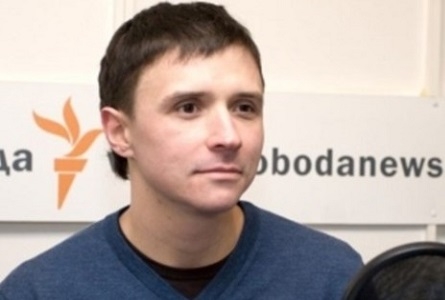
Ivan Sukhov : Rusya'da ve Bağımsız Devletler Topluluğu (BDT)'deki ihtilaflar üzerine 15 yıldır çalışan bir gazeteci.
Bugün’ün Rusya’sı Sovyetler Birliğinin yalnızca sığ bir yansıması; o zamanları hatırlayan biriyle bu rahatlıkla test edilebilir.
Sovyetler Birliği kinizm ve iki taraflı düşünmesiyle nitelendirilir. Tarihleri ise kendi halkına büyük çapta uyguladığı baskıyla tahrif olup, siyasi yaşamlarının ise Batı demokrasisi, güçler ayrılığı ilkesi ve insan haklarıyla hiç bir bağlantısı yoktu.
Aynı zamanda Sovyetler Birliği hümanist bir proje olarak düşünülmüştü. Askeri-Endüstriyel yapısı ve Komünistlerin siyasi tekeline rağmen, şu anda ‘’beşeri sermaye’’ denen olguyu geliştirmeye dayalı bir sistemleri vardı.
Sovyet liderleri mukabele amaçlı olarak nükleer silah kullanmayı tartışmışlardı, ve şu anda yalnızca Stalin terörünü anlatan arşivlerden çıkan gazete hikayeleri ve aktüelite filmleri bugünkü Rusya televizyonunun son bir kaç senedirki seviyesine ulaşabiliyor.
Naif gözükse de, Sovyetler Birliğinin dağılmasına dek dünyayı herkes için daha iyi bir yer haline getirme amaçlı idealistik çabaya müdahillerdi. A.B.D ve Çin göreceli olarak bu projeyi destekliyorlar, fakat Sovyetler Birliğinin olmamasıyla dünya daha dengesiz hale geldi. Şu anda müreffeh ve parlak bir gelecek için 1980’lerdekinden bile daha az umut var.
Liderlerin Sovyetler Birliği nostaljisi yapan ağdalı retoriklerine rağmen, modern Rusya, hümanist bir projenin parçası olarak değerlendirmekten çok uzak.
Moskova’da Mayıs ayında görülen devasa bilbord mevcut hükümetin siyasi düşüncesini çok güzel aksettiriyor. Çar II. Nicholas’ın başbakanı Pyotr Stolypin’i alıntılayarak şöyle diyor: ‘’Onlar büyük devrimler peşinde, biz ise Büyük Rusya’nın.’’
‘’Devrimler’’ kelimesinin gözüktüğü sol tarafta 2014’teki meydan protestolarını gösteren galeyana gelmiş yüzlerin ve silah kuşanmış ellerin fotoğrafları bulunuyor. ‘’Büyük Rusya’’ kelimelerinin bulunduğu sağ tarafta ise Kremlin’deki meçhul bir askerin lahitine doğru yürüyen merasim kıtasının fotoğrafı var.
‘’Büyük Rusya’’, meçhul askerin lahitinin önünde göz kamaştırıcı derecede parlatılmış postallarla yürüyen bir Kremlin alayı olarak resmedilmiş. Yeni yolları, fabrikaları, gelişim delillerini yahut da özürlük ve sosyal adaleti temsil etmiyor. Dolayısıyla Rusya, Sovyetler birliğinden yalnızca bir şeyi devralmış – liderlerinin cafcaflı askeri merasimler için gösterdiği sevgiyi.
Modern Rusya kendisini refah devleti olarak konumlandırmıyor: Hükümet şimdi milyonlarca insanın direkt olarak devlet tarafından beslenmesini bir yük olarak görüyor. Modern Rusya görünüşte gelişime yatırım yapıyor izlenimi veriyor, fakat uzay programları başarısız olan her roket atımıyla birlikte dağılmaya başlıyor; yasamanlar tarafından eksik planlanmış kanunlar yüzünden de potansiyel yatırımcıları ülkeden kaçırıyor.
Modern Rusya kesinlikle zamanındaki muhaliflerin Sovyet rejimi 1991’de çökünce tasavvur ve tahayyül ettiği özgür ve refah bir ülke olmadı – fakat hiç şüphesiz Sovyetler Birliği de böyle değil idi. Sosyal ve siyasi sistemin hatları gözümüzün önüne daha yüksek bir şiddetle çıkıyor; toplumu ilkel gericilikten koruyan politik tabuların daha az, ülkeyi dünyanın geri kalanında ayıran bariyerlerin daha da arttığını görüyoruz.
Bu esnada, ‘’Büyük Rusya’’yı somutlaştıran merasim kıtası Kremlin duvarlarına ilerlemeye devam ediyor ve ülkenin--dünyanın yarısını yok edebilecek-- nükleer füzelere hazır ve nazır bekliyor.
Elvette, Gorbachev’in prestroyka’sı Sovyet insancıl projesinin bir parçasıydı. Bugünün Rusyası ise perestroyka’dan değil, bilhassa onun reddinden ortaya çıktı. Bununla birlikte bu ret, Rus halkından değil, tüm insanlığı bir kenara bırakalım, yalnızca kendi refahını düşünen şimdiki politik elitin elinden çıktı.
1990lar, 2000ler ve 2010’lardaki politik değişimlere rağmen görüş birliği halen aynı. Tehdit altındaki Rusya refahnın limitlerini tasnif etmesi dolayısıyla bu o kadar da kötü bir durum değil. Örneğin, Kırım ilhâkına ve Batı tarafından bazı Rus yetkililerine uygulanan vize yasaklarına rağmen ülke ekonomisi iyileşebilir.
Ama Moskova Rusya’daki tansiyonu durmadan yükseltmeye devam eder ve oradaki askeri ihtilaf alanını büyütür ise bocalayıp nihayetinde çökecek.
Sovyet-sonrası fikir birliği aşırı agresif bir dış siyasete değil, perestroyka’nın değerlerine dönüşün önünün tıkantığına değiniyor. Modern Rusya’nın siyasetini tayin edenler mevcut izolasyonu ve sindirme harekatlarını daha doğal ve rahat buluyor.
Bunu yaparak da Rus dış siyasetinin mantık ve sağduyu ile hareket etmesini sona erdirecek adımlar atma riskine giriliyor.
En iyimser görüşle bu Rusya’nın tamamen uluslararası izolasyona sürüklenebileceği anlamına geliyor. En kötüsü ise kısaca tanımlamak gerekirse, büyük bir savaş doğabilir.
Elbette perestroyka savaşa, yozlaşmaya ve sosyal-politik çöküşe tercih edilir – fakat bu değerleri kullanarak kendi çıkarları için ülkeye ve insanlarına hükmetmeye çalışanlar için değildir.
Çeviri: Yedic Sinan Yavuz
Cherkessia.net, 21 Haziran 2015
****
Putin's Russia Is Not 'Back in the U.S.S.R.' (Op-Ed)
Ivan Sukhov, 10 June 2015, Last edited 17:51
A group of Russian scholars presented a report in Moscow in late May called "The values of perestroika in the context of modern Russia" that detailed the risks the country is currently facing. The authors argue that leaders must inevitably restart the reforms first begun by former Soviet leader Mikhail Gorbachev in 1985 — that is, unless they plan to continue pushing Russia toward the backward and unstable periphery of the modern world.
That allusion to perestroika immediately raises some uncomfortable questions. Is the current rise of authoritarianism and the breakdown of basic institutions the logical consequence of Gorbachev's reforms, or is it some strange evolutionary offshoot, a careless wrong turn down a historical blind alley?
Also, how likely is it that the current regime will recognize the need for reforms? Will a new "Gorbachev" emerge from President Vladimir Putin's "politburo," and if so, will he manage to overcome the inertia of his political milieu?
Or will the chance for change come only after the collapse of the current regime? If so, it will prove only illusory due to the almost inevitable political chaos that will result, the emergence of newly emboldened radicals of every stripe and the centrifugal forces that will tend to tear the system apart.
Many in Russia and elsewhere believe that the lyrics to the popular Beatles song "Back in the U.S.S.R." best describe the country's current trajectory. They are mistaken.
Today's Russia bears only a superficial resemblance to the Soviet Union, as anyone with memories of that era can readily testify.
The Soviet Union was characterized by cynicism and doublethink. Its history was marred by repression against its own citizens on a monstrous scale, and its political life bore absolutely no connection to Western notions of democracy, the separation of powers and human rights.
At the same time, the Soviet Union was conceived as a humanistic project. Its system — although burdened by the political monopoly of the Communists and the oversized military-industrial complex — was largely focused on developing what is now called "human capital."
Soviet leaders discussed the use of nuclear weapons exclusively as a means of retaliation, and only archival newspaper stories and newsreels of Stalin's terror reflected the level of vitriol that has become standard fare in Russian television over last year and a half or two.
As naive as it might sound, right up until it ended the Soviet Union remained part of an idealistic global effort to make the world a better place for everyone. The United States and China continue to promote their respective versions of that project, but without the Soviet Union the world has become significantly less stable, and there is far less hope now than there was in the late 1980s that mankind would ultimately achieve a bright and prosperous future.
Despite the rhetorical gymnastics of leaders who publicly wax nostalgic for the Soviet Union, modern Russia is far from considering itself part of a global humanistic project. A huge billboard that appeared in Moscow in May best conveys the political thinking of the current regime. It quotes Pyotr Stolypin, prime minister to Tsar Nicholas II: "They are in need of great upheavals, while we are in need of Great Russia."
The left side, where the word "upheavals" appears, shows photos of the Maidan protests in 2014, with agitated faces and upraised hands grasping firearms. On the right, next to the words "Great Russia," is a photo of the honor guard marching at the Tomb of the Unknown Soldier near the Kremlin.
"Great Russia" is depicted as a Kremlin regiment marching in blindingly high-polished boots before the Tomb of the Unknown Soldier. It is not new roads and factories, evidences of development or symbols of freedom and social justice. Thus, Russia has inherited only one thing from the Soviet Union — the love its leader holds for the pomp of military ceremony.
Modern Russia is not positioning itself as a welfare state: The government now sees it as a burden to feed millions of people directly dependent on the state. Modern Russia is ostensibly trying to invest in development, but its space program is crumbling with every failed rocket launch, and lawmakers are scaring away potential investors with ill-conceived laws.
Modern Russia is definitely not the free and prosperous country that dissidents dreamed it would become when the Soviet regime collapsed in 1991 — but, beyond a doubt, it is also not the Soviet Union. The contours of the social and political system now unfolding before our eyes are far harsher, the political taboos preventing society from degenerating into primitive obscurantism far fewer and the barriers separating the country from the rest of the world far higher.
Meanwhile, the honor guard embodying Great Russia continues marching at the Kremlin walls and the country's nuclear missiles — capable of destroying half the planet — stand ready.
Of course, Gorbachev's perestroika was part of the Soviet humanistic project, and today's Russia emerged not from perestroika, but from the rejection of it. However, that rejection came not from the Russian people, but out of the as-yet-forming political elite that was interested only in its own prosperity and not the common good — much less the welfare of all humanity.
Despite all the political changes of the 1990s, 2000s and 2010s, this consensus remains the same. That is not all bad, considering that it delineates the limits beyond which Russia's prosperity is threatened. For example, the country's economic well-being might even increase, notwithstanding the annexation of Crimea and Western visa bans against selected Russian officials.
But it will falter and ultimately collapse if Moscow opts to endlessly escalate tensions in Ukraine and expand the zone of military conflict there.
The post-Soviet consensus does not imply an excessively aggressive foreign policy, but it does rule out a return to the values of perestroika. Those who define the politics of modern Russia find it much more natural and comfortable to maintain the current course toward isolation and domestic witch hunts.But in so doing, they risk overstepping the limits beyond which Russia's foreign policy would cease to be guided by logic and common sense.At best, that could lead to Russia's complete international isolation. At worst, it could lead to a huge, albeit possibly brief, war.
Of course, perestroika is preferable to war, degradation and social and political collapse — but not for those who use those ills to maintain their iron grip over the country and its people.
Bu haber toplam 2733 defa okundu.


Bu habere yorum eklenmemiştir. İlk yorumu siz ekleyin.