Karakter boyutu :


Jan Techau : Doğu Avrupa Barışı İçin Büyük Ekonomik Oyun

16 Temmuz 2015 Perşembe Saat 21:48
Rusya, Ukrayna ve Avrupa Birliği arasındaki ilişkiler en az bir nesil boyunca Avrupa’nın doğusunun kaderini belirleyecek.
Rusya’nın saldırganlığı yüzünden bölgeye şu anda savaş ve nüfuz alanları mantığı hakim. Ama şunu da unutmamak gerekiyor.Anılan üçlünün ilişkisinden nasıl bir düzen doğarsa doğsun,sadece askeri dengeye, ilhaklara ve süper güç Amerika’nın arka plandaki varlığına dayanmayacak. Çatışma sonrası yeni düzenin şekillenmesinde Brüksel, Moskova ve Kiev arasındaki ekonomik ilişkiler de rol oynayacak.
Unutmayalım ki çatışmayı tetikleyen, AB ve Ukrayna arasında Derin ve Kapsamlı Serbest Ticaret Bölgesi (DCFTA) oluşturulmasını öngören antlaşmaydı.
Rusya inkar etse de Kremlini harekete geçiren, 2013 Vilnius Zirvesi öncesinde Kiev’in Ortaklık Antlaşmasını imzalama ihtimaliydi.
Rusya’nın -kurmayı planladığı- Avrasya Ekonomik Birliği’nin çekirdeğinde gördüğü Ukrayna AB ile yakınlaşıyordu.
AB’nin jeopolitik zaaflarına rağmen Rusya DCFTA ve Ortaklık Antlaşmasını ciddiye aldı ve Kiev’in anlaşmayı imzalamasını engelledi. Bu hamle Euromaidan devrimini tetikledi ve bugüne gelindi.
Bugün askeri zıtlaşma mantığı hakim. Ama istikrar için AB, Ukrayna ve Rusya iktisadi uzlaşmaya varmaları gerekiyor.
Üçlünün çıkarları örtüşüyor. Üçü de yoksulluktan kurtulmuş bir Ukrayna görmek istiyor. Bunun yanında açmazlar da var.
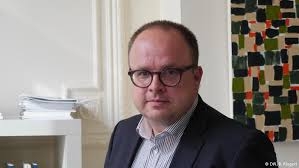
Jan Techau: Carnegie Europe Müdürü
Rusya yanı başında başarısız bir devlet veya ayaklanmaya yatkın fakir bir Ukrayna halkı istemiyor. Moskova Ukrayna’nın yıkılmış ekonomisini tek başına ayağa kaldıramaz. Rusya periferisinde ihtiyaç duyduğu istikrar için Batı’nın işbirliğine muhtaç.
Ama Rusya Ukrayna’nın Batı ile çok fazla bütünleşmesini de istemiyor. Ukrayna’nın siyasal liberalleşme sayesinde zenginleşerek Rusya halkına örnek olmasından korkuyor.
Rusya Ukrayna’nın siyasal gelişimi üzerinde denetimini kaybetmek istemiyor. Bununla birlikte Moskova –Donetsk ve Luhansk’ta olduğu gibi- açık müdahalede bulunursa dünyadan soyutlanıyor ve
kendi refahını tehlikeye sokacak biçimde Batı’nın yaptırımlarına maruz kalıyor.
Kiev’in de açmazları var. Ukrayna ekonomisi Rusya pazarı olmadan ayakta kalamaz. Bilhassa büyük sanayi ve tarım sektörü Rusya pazarına sıkı sıkıya sıkı bağlı. Ukrayna ağır sanayisi ve tüketiciler Rusya’dan makul fiyatlarla tedarik edilecek ve kesintiye uğramayacak enerjiye bağımlılar.
Paradoks şurada : Ukrayna’nınRusya karşısında sağlam durması gerekiyor, ama toparlanması da Rusya ile ekonomik işbirliği yapmasına bağlı. Ama diğer yandan modernleşme için Batı’dan gelecek know how ve Batı pazarına ihtiyacı var.
Ukrayna Devlet Başkanı Petro Poroşenko ve ekibinin halkın ekonomik durumunu düzeltmeye ve siyasi meşruluğunu korumaya acilen ihtiyacı var. Ukrayna’nın bütünlüğünü koruması Batı ve Rusya yanlılarının refahtan pay almalarına bağlı görünüyor.
AB Ukrayna ekonomisini düzlüğe çıkarmak istiyor ama meselenin siyasi boyutunu görmezden gelmesi imkansız. Birlik siyasal reform yapılması, yolsuzlukla mücadele edilmesi, insan haklarının korunması ve hukukun üstünlüğünün tesis edilmesi konularında ısrar ediyor.
AB bu tedbirleri doğrudan dayatamayacağı için pek de temiz olmayan seçkinlerin işbirliğine ihtiyaç duyuyor. Ama reformlar Ukraynalı oligarklar için en iyi ihtimalle baş ağrısı, en kötü senaryoya göre tehdit anlamına geliyor.Doğal olarak kendi iplerini çekmeye yanaşmıyorlar.
AB’nin uzlaştırılması kolay olmayan hedefleri var. Rusya’nın güvenilir bir enerji tedarikçisi olmasına ihtiyaç duyuyor ama Kremlin’in Ukrayna politikasını kabul etmesi olanaksız.AB Ukrayna’yı ayağa kaldırmak istiyor ve bunun için Rusya’nın yardımına muhtaç ama diğer yandan Rusya karşısında Ukrayna demokrasisini ve egemenliğini güçlendirmesi şart.
AB, Ukrayna ve Rusya arasında varılacak ekonomik uzlaşının iki kritik yanı var. Birincisi, tarafların karşılıklı bağımlılık içinde olduğu petrol ve gaz alanında pragmatizm hakim olmalı. Rusya’nın çatışma sürecinde enerji kartını henüz kullanmaması ilginç. Moskova’nın AB ve Ukrayna talebine bağımlılığının AB ve Ukrayna’nın arzına bağımlılığı kadar önemli olduğu anlaşılıyor.
İkincisi, AB’nin DCFTA projesi ve Rusya öncülüğündeki Avrasya Ekonomik Birliği arasında uyum sağlanması gerekiyor. DCFTA antlaşması Haziran 2014’de imzalandı ama hayata geçirilmesi Ocak 2016’ya ertelendi. Avrasya Ekonomik Birliği ise Batı tarafından pek ciddiye alınmadı. İki proje arasında bir orta yol bulunması Ukrayna bakımından önemli. Çünkü bu ülkenin hem Doğu hem Batı ile ilişki kurmaya ihtiyacı var. Ukrayna’nın en son isteyeceği şey ikisi arasında seçim yapmaya zorlanmak.
Jeopolitika gibi ekonomi alanında da top Rusya’nın sahasında. Herşey Kremlin’in ekonomik çıkarlarını korumak için pragmatik davranıp davranamayacağına bağlı.
Tek umut Kremlin’deki ekibin iktidarda kalabilmek için ekonomik ve siyasal tavizler vermek zorunda olduğunu fark etmesidir. Önümüzdeki aylar Putin’inödün verme dirayetini mi sergileyeceğini, yoksa kendine giydirdiği deli gömleğini çıkaramayacak kadar zayıf mı düştüğünü gösterecek.
Çeviri : Dr. Ömer Aytek Kurmel
Cherkessia.net, 16 Temmuz 2015
*****
The Economic Great Game for Peace in Eastern Europe
Jan Techau
June 23, 2015
The relationship between Russia, Ukraine, and the European Union will determine the political fate of Europe’s East for at least a generation to come.
At the moment, thanks to Russia’s aggressive forays into Ukrainian territory and internal affairs, the logic of war, deterrence, and spheres of influence prevails in the region. Yet one key aspect of the strategic situation must not be forgotten: whatever kind of order emerges from this fateful geopolitical threesome will rest not only on military balances, annexations, and America’s background role as a military superpower. The new postconflict order will also rest on a joint understanding of the economic relationship between Brussels, Moscow, and Kiev.
Let’s not forget that the trigger for the current crisis (though not its deeper geopolitical root cause) was an agreement focusing largely on economics: a deal to create a Deep and Comprehensive Free Trade Area (DCFTA) between the EU and Ukraine.
Long dismissed by Russia as a side issue that warranted no special attention, the Kremlin became increasingly nervous about this accord before the EU’s Eastern Partnership summit in Vilnius in November 2013, when Kiev was expected to sign a political and economic Association Agreement that would pave the way for the DCFTA.
Moscow finally understood the ramifications of what Kiev and Brussels had been negotiating for several years: that Ukraine, which Russia perceived as a core building block of its envisioned Eurasian Economic Union, was seriously considering siding with the EU instead.
Despite the EU’s weakness in classic geopolitical terms, Russia took the DCFTA and the Association Agreement seriously enough to block Kiev’s signing of the deal in November 2013. That triggered the Euromaidan revolution and the chain of events that led to Russia’s March 2014 annexation of Crimea and the ongoing standoff in eastern Ukraine.
Today, the logic of military confrontation prevails. But it is clear that the EU, Ukraine, and Russia must also strike an economic deal if ever they are to create stability between them that is more than skin-deep.
The overlap of interests among the trio is considerable. All three have an acute interest in an economically viable, less poor Ukraine. And yet, all three are also in a bind.
Russia wants neither a failed state on its border nor an impoverished Ukrainian population prone to unrest and uprisings. Moscow can’t prop up Ukraine’s ruined economy on its own. So the West is needed to help create the kind of stability Russia wants in its periphery.
At the same time, Russia does not want Ukraine to become too firmly integrated into the Western world. Nor it does want increased economic well-being in Ukraine to lead to political liberalization that could end up giving Russian citizens the wrong ideas.
So Russia needs to retain some control over political developments in Ukraine. But when Moscow interferes too bluntly, as it has in Ukraine’s eastern regions of Donetsk and Luhansk, it isolates itself internationally and brings about Western sanctions that endanger its own prosperity.
Kiev also faces many dilemmas. Ukraine’s economy is not viable without access to the Russian markets to which its big manufacturers and agricultural businesses are deeply tied. And Ukrainian heavy industries and households alike depend on Russian energy continuing to flow at affordable prices.
The paradox is that Ukraine can only achieve resilience as a country by interacting economically with the very country it wants to be resilient against. At the same time, real modernization can only happen with close ties to the West and to Western innovative creativity, technological know-how, and mature markets.
Ukrainian President Petro Poroshenko and his team urgently need economic development to improve the plight of their people and to retain their legitimate hold on power. Furthermore, playing it both ways, with Russia and the West, is the only way in which Ukraine can stay together as one, with both the pro-Western and the pro-Russian camps getting enough of the pie to stay committed to the shaky national common cause.
The EU wants to consolidate the Ukrainian economy, but it can’t turn a blind eye to the political side of the story. The EU must insist on democratic political reform, the fight against corruption, the protection of human rights, and the strengthening of the rule of law.
As it can’t force these measures onto Ukraine, the union relies on the less-than-clean local elites to implement the needed reforms. But for the ruling oligarchs in Ukraine, these issues are a nuisance at best and a threat to their power at worst. The oligarchs naturally have little inclination to reform themselves out of business.
The EU has a number of set goals that are not easy to reconcile. It needs Russia as a reliable energy supplier, but it can’t accept Russia’s landgrab in Ukraine and its establishment of a frozen conflict on another sovereign nation’s territory. The EU wants to prop up Ukraine, and it needs Russia’s help for that—but at the same time, the union is trying to strengthen Ukraine’s democratic credentials and sovereignty against Russia’s will.
The key for an economic deal among the EU, Ukraine, and Russia seems to lie in two areas. The first is the field of oil and gas, where mutual dependence is high and pragmatism should prevail. It is surprising that Russia has not yet used its energy weapon in any really painful way in this confrontation. That seems to indicate that Moscow’s dependence on EU and Ukrainian demand is just as significant as the EU’s and Ukraine’s dependence on Russian supplies.
The second issue is some sort of compatibility between the EU’s DCFTA and the Russian-led Eurasian Economic Union. An agreement on the former was finally signed in June 2014, although implementation has been postponed until January 2016. The latter concoction is not taken very seriously in the West. And yet it seems inevitable that some sort of compromise between the two must be found so that Ukraine, a country that needs ties to both East and West, is not forced into a binary either-or choice.
In the economic field, as in the larger geopolitical context, the ball is primarily in Russia’s court. Much will depend on whether, on issues that have been jingoistically hypercharged over the past year in Russia, the Kremlin finds enough pragmatism to protect its own economic interests.
The only hope is that the team in the Kremlin realizes that to achieve its ultimate goal—staying in power—it will need to make economic and political compromises. The coming months will show whether Russian President Vladimir Putin is strong enough to take that route, or whether he has been weakened by his own policies to the extent that he can no longer break out of his self-imposed straitjacket.
Bu haber toplam 2487 defa okundu.


Bu habere yorum eklenmemiştir. İlk yorumu siz ekleyin.