Karakter boyutu :


Adam Klus:Vişegrad Jeopolitiği Neden Bu Kadar Kırılgan?

17 Temmuz 2015 Cuma Saat 13:29
Adam Klus, 5 Haziran 2015
Avusturya, Çek Cumhuriyeti ve Slovakya başbakanları 2015 başında Çek kenti Slavkov’da bir araya geldiler. Kent seçimi tesadüfi değildi.
Napolyon Savaşları’nın en belirleyici perdelerinden birinde, 2 Aralık 1805 günü Napolyon’un Büyük Ordusu Üç İmparator veya Austerlitz Muharebesi’nde Rusya ve Kutsal Roma İmparatorluğu kuvvetlerini yenilgiye uğratmıştı.
Tarihsel benzerlikler bir yana, Slavkov Girişimi Vişegrad Grubu’nu zayıflatacağı, hatta ikame edeceği kaygısı yarattı. Macaristan’ın da yeni formata katılacağı beklentisi endişeleri artırdı.
Slavkov Girişimi Vişegrad Grubunun Ukrayna krizi sürecinde iç çelişkiler yaşamasının ardından gündeme geldi. Polonya Rusya karşısında dik dururken Çek Cumhuriyeti, Macaristan ve Slovakya (kısaca ÇMS) tarafsızlığı seçtiler.
Soğuk Savaş sonrası dönemin en önemli krizinde V4 ortak bir dış politika belirleyemedi.
Jeopolitik konum ve tarihsel deneyim bakımından çok şey paylaşan ülkeler temel bir konuda neden diplomatik mutabakat sağlayamadılar? Polonya ne oldu da Vişegrad Grubu’nun diğer üyeleriyle ters düştü? Slavkov Girişimi bölgesel işbirliği için daha fazla mı ümit veriyor?
Bu soruları yanıtlamak için bölgenin jeopolitik yapısını –bilhassa Rusya bağlamında- derinlemesine incelemek gerekiyor.
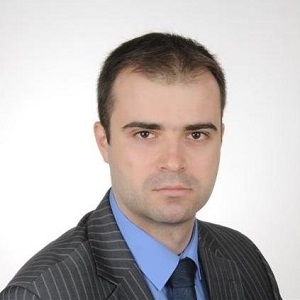
Adam Klus: Yatırım Profesyoneli ve Doğu Finlandiya Üniversitesi Doktora Öğrencisi
Jeopolitika ve Siyasal Risk Analizi Uzmanı
Vişegrad’ın Jeopolitik Bütünlüğünü Etkileyen Yapısal Etkenler
Birbirine bağlı beş etken Polonya’yı diğer üç ülkeden farkılaştırıyor ve Vişegrad Grubu’nun siyasal-askeri ittifaka dönüşmesine engel oluyor.
Birinci Etken: Farklı Ulusal Potansiyeller
V4 üyelerinin münferit katkıları dengeli değil. Polonya gayri safi yurtiçi hasıla, nüfus, yüzölçümü ve askeri harcama kalemlerinin her birinde tek başına toplam potansiyelin yüzde 50’sini temsil ediyor.
Bu tablo üzerine bir karar mekanizması oluşturulsa Polonya yeterince temsil edilmeyecek veya grubun gayri resmi lideri olacak. Her iki durum da üye ülkeler arasında siyasal mutabakat gerekir. Ama uzlaşı sağlamak zor olur.
S4 formatında ulusal katkılar çok daha dengeli. Hiçbir ülke tek başına hakim değil. Liderliğe en yakın aday Avusturya’nın ekonomik katkısı toplamın yüzde 49’unu, askeri katkısı yüzde 44’ünü sağlarken nüfusu ve yüzölçümü toplamın sadece yüzde 25 ve 28’ine denk geliyor.
Viyana eşitler arasında birinci ama hegemon güç değil. S4’teki durum Vişegrad Grubu gibi değil.
İkinci Etken: Askeri Yetenekler Arasında Uçurum
Askeri yetenekler yukarıdaki tablodan farklı değil.
Polonya Vişegrad’ın toplam askeri harcamasının yüzde 72’sini karşılarken Çek Cumhuriyeti yüzde 14’le açık ara ikinci sırada yer alıyor.
Varşova ulusal savunması için gayri safi yurtiçi hasılasının yüzde ikisini harcarken bu oran diğer üyelerin her biri için yüzde birin altında.
Bu bağlamda Avusturya ÇMS ülkelerinin felsefesine daha yakın.
Üçüncü Etken: Farklı Coğrafi Maruziyetler
Coğrafya ulusal güvenliğe yönelik tehdidin gerçek mi, algısal mı olduğunun belirlenmesinde önemli bir kıstastır. Polonya’nın Rusya ile sınırı 210 kilometre, Belarus’la 418 kilometredir. Polonya Kaliningrad ile de sınır komşusudur. Doğuda karadan gelecek tehditlere karşı doğal engel yoktur.
Diğer Vişegrad ülkeleri bu bakımdan çok rahatlar. ÇMS ülkeleriyle Moskova kontrolündeki alanlar arasında Polonya, Ukrayna ve Romanya’dan oluşan bir tampon bölge var. Yay çizen Karpat Dağları da önemli bir doğal engel oluşturuyor.
Coğrafi perspektiften S4 daha bütünlüklü bir tablo çiziyor.
Dördüncü Etken: Sınırlı Ortak Tarihsel Deneyim
Rusya tehdidi her Vişegrad ülkesi için aynı değil. Polonya bir istisna oluşturuyor. Rusya ile defalarca (1612, 1654, 1794, 1831, 1863, 1920, 1939) savaşmış ve iki uzun dönem (1795-1914 ve 1945-1989) doğu komşusunun boyunduruğu altında yaşamış.
ÇMS ülkelerinin hiçbiri aynı deneyimi yaşamamış. Çek, Macar ve Slovaklar Cermen dünyasına, yani Emperyal Avusturya ve Prusya’ya karşı savaşmışlar. Rusya İkinci Dünya Savaşı’na kadar Karpat Dağları ötesinde hegemonya kuramamış.
Vişegrad ülkelerinin Rusya karşısında tek ortak deneyimleri Soğuk Savaş.
Buna karşılık ortak Habsburg geçmişleri S4 ülkelerini birbirine bağlıyor. Üstelik Avusturya artık emperyal bir güç değil.
Beşinci Etken: Büyük Güç Politikası Bağlamında Farklı Jeopolitik Konumlar
Vişegrad üyelerinin büyük güç politikasına dahil olması grubun bütünlüğünü zayıflatıyor. Moskova (Petersburg) – Berlin – Paris mihveri Avrupa ve dünya politikasını 18. yüzyıldan beri belirleyen kilit etkenlerdendir. Amerika’nın Almanya ve Fransa’yı kenarda bıraktığı Soğuk Savaş döneminde bile Doğu-Batı vektörü değişmedi.
Polonya mihverin kritik bileşenidir. Coğrafi konumu ve ulusal potansiyeli nedeniyle büyük güç oyununun içine kendiliğinden çekilir.
Hegemon güç olmasa da –büyük güçlerden biri tarafından desteklenirse- Doğu-Batı mihverini şekillendirebilir ve bozabilir. Polonya bu özelliğiyle Alman ve Rus dış politikalarının sabit unsurudur.
Dolayısıyla faal jeopolitik strateji izlemek zorundadır. Varşova her zaman “oyunun içinde”dir. Tek mesele oyuncu mu, nesne mi olacağıdır.
Buna karşılık ÇMS ülkeleri büyük güçlerin radarının dışında kalabilir. Büyük güçler Çek Cumhuriyeti, Macaristan veya Slovakya’daki gelişmelere tamamen kayıtsız kalmazlar ama ilgileri Polonya örneğindeki kadar yoğun ve sürekli olmaz.
Üyeler arasındaki jeopolitik asimetri V4 formatının siyasal-askeri ittifaka dönüşmesine engel oluyor.
ÇMS ülkeleri Polonya’ya yakın dururlarsa Berlin-Moskova-Washington üçgeninin dinamiklerine maruz kalırlar.
Buna karşılık S4 formatı böyle bir risk içermiyor. Avusturya –Doğu-Batı mihverinde önemli olsa da- küresel dengeler açısından çok daha tarafsız bir role sahip.
Devrim Niteliğinde Değişim Beklenmemeli
Bir dizi yapısal etken –bilhassa Rusya karşısında ortak dış politika oluşturma bağlamında- Vişegrad Grubu’nun jeopolitik bütünlüğünü zayıflatıyor.
Ne var ki bu Vişegrad’ın siyasal geleceği olmadığı anlamına gelmiyor. Tam tersine, Vişegrad ekonomi, enerji ve AB politikalarında çok etkili bir işbirliği ve eşgüdüm platformu olma vasfını koruyor. Kültürel ve akademik mübadeleyi ilerletmek için de çok önemli bir mekanizma.
Slavkov Girişimi siyasal ittifaka dönüşse bile Macaristan ve Slovakya yumurtaları tek sepete koymak istemezler ve Vişegrad’ın zayıflatılmasına karşı çıkarlar. Çünkü en yoksul ve en savunmasız ülkeler olmayı göze alamazlar.
Vişegrad’ın bütünlüğünü yitirmesi Varşova’yı arayışlara itebilir. En cazip seçenek İsveç ve Romanya formatı gibi görünüyor. İki ülke de Polonya ile aynı jeopolitik kaygıları taşıyor. Stokholm ciddi katkı sunabilecek askeri potansiyele sahip. Bükreş de Güneydoğu Avrupa’nun en büyük askeri gücü haline gelebilir. Polonya, İsveç ve Romanya’nın askeri işbirliği resmi ittifaka dönüşmese bile Vişegrad formatından daha fazla yol alır.
Slavkov Girişimi Vişegrad’ı kısmen ikame edebilir. Başarılı olmasını sağlayacak yapısal etkenlere de sahip. Ne var ki V4 formatından daha başarılı olması bu aşamada pek olası değil.
Slavkov Girişimi’ni hayata geçirecek uygun koşullar olsa bile dört ülkenin dış politikalarının koordine edilmesi zaman ve emek ister. Bilhassa Macaristan üzerine çok çalışmak gerekir. Budapeşte ekonomi konusunda Viyana’dan farklı düşünüyor. Ayrıca komşu ülkelerde yaşayan Macar azınlık gibi siyasal sorunları beraberinde taşıyacaktır.
Avusturya ve Çek Cumhuriyeti Slavkov Girişimi’ni faal jeopolitik aktör haline getirirlerse büyük güç politikasına alet olurlar ki bu kendileriyle ters düşmeleri anlamına gelir. Ukrayna krizinin başından beri bundan kaçınmadılar mı?
Çeviri : Dr. Ömer Aytek Kurmel
Cherkessia.net, 17 Temmuz 2015
****
What Makes the Visegrad Group so Geopolitically Fragile ?
Adam Klus, 05 June 2015
At the beginning of 2015 the prime ministers of Austria, the Czech Republic and the Slovak Republic met in the Czech city of Slavkov. The place of the meeting was carefully chosen due to its historical significance. Over 200 years ago it was the scene of one of the most decisive events of the Napoleonic Wars. On the 2nd of December 1805 the armies of the Russian and Holy Roman Empire suffered a defeat by Napoleon’s Grande Armée in what has been called a Battle of Three Emperors, or Battle of Austerlitz.
Intriguing historical analogies aside, one of the main immediate consequences of the Slavkov Initiative was a worry that the new regional cooperation format will weaken or even replace the Visegrad Group, especially given that over time Hungary may also be expected to join it.
These developments follow major discord within the Visegrad Group following the development of the Ukraine crisis. While Poland presented an assertive attitude towards Russia, the other members of the Group—the Czech Republic, Hungary and the Slovak Republic (collectively “CHS”)—assumed a much more neutral position. As a result the V4 failed to develop a common foreign policy stance towards what appears to be the most important post-Cold War crisis in Eastern Europe.
How is it that countries which seemingly have a lot in common, both in terms of geographic location and historical experience, fail to achieve diplomatic consensus on such a fundamental issue? Why was Poland at odds with the rest of the Visegrad Group? Is the Slavkov Initiative a more promising format for regional cooperation? Answering these questions requires looking at the deeper geopolitical structure of the region, particularly in the context of Russia.
Structural factors affecting Visegrad’s geopolitical cohesion
The analysis focuses on five interrelated and partly overlapping factors which structurally set Poland apart from the other three countries and effectively prevent the Visegrad Group from being transformed into an actual politico-military alliance. They are also used for making a general comparison between the feasibility of V4 and S4 formats. In the analysis Hungary is treated as a member of the Slavkov Initiative (i.e. the S4 format). Such an approach allows for a better contrast with the Visegrad Group while not distorting the analytical logic too much.
Factor 1 – differential in national potentials
The V4 is relatively unbalanced in terms of national contributions to the overall geopolitical potential of the Group. Comparison of GDP, population, territory and military expenditure shows that Poland represents more than 50 per cent of the Group’s total in each category, effectively dominating the rest of the partners combined. Development of a decision-making mechanism in a situation where such a differential of national potential exists would result in either Poland “punching below its weight” or becoming accepted as de facto head of the Group. Each solution would require a significant level of political compromise, which may be difficult to achieve.
Composition of national contributions in the S4 format is much more balanced, with no country enjoying an across-the-board dominant position. Austria, a likely candidate for the Slavkov leadership, represents 49 per cent of economic and 44 per cent of military contribution, but only 25 per cent and 28 per cent of population and territory totals. Vienna would certainly be the primus inter pares but would not achieve a dominant position. Thus the level of political consensus required would be lower as compared to the V4 format.
Factor 2 - significant gap in military capabilities
Analysis of military capabilities can be seen as an extension of the argument discussed above. If one assumes that the ability to deal with hard security challenges is critical for becoming a viable geopolitical actor, the disparity of potential becomes even more of a problem.
In absolute terms Poland contributes 72 per cent of Visegrad’s total military expenditure, with Czech Republic’s 14 per cent representing a very distant second. The differential is also substantial in relative terms. Warsaw allocates almost two per cent of its GDP to national defence, while for the rest of Visegrad the number is closer to one per cent. The discrepancy translates not only into a gap in actual capabilities but also signifies a structural difference in perceived utility of military factors in national security strategies. In this context Austria, with its GDP military spending below one per cent, comes much more in-line with the CHS philosophy.
Factor 3 – different geographic exposure
Geographic location remains a powerful factor in determining real and perceived threats to national security. Poland shares 210 kilometres of border with Russia and 418 kilometres with Belarus, Moscow’s military ally. Furthermore Poland is located in direct proximity to Kaliningrad, a strategically important outpost for the Russian Federation. There are also few natural obstacles providing protection against potential land-based threats from the east.
The rest of Visegrad enjoys a much more favorable geographic location. CHS are insulated from Moscow-controlled areas by a buffer zone consisting of Poland, Ukraine, and Romania. Furthermore the arc of the Carpathian Mountains provides a great natural obstacle. If seen from a geographical perspective Austria fits well with the CHS, making the S4 a more cohesive entity in this respect.
Factor 4 – limited common historical experience
The Russian factor, considered an existential threat to national statehood, is also of limited value in the historical context. Poland is the only Visegrad nation with a long history (by geopolitical standards) of confrontation against different historical emanations of Russia. Polish history is replete with multiple military campaigns (e.g. 1612, 1654, 1794, 1831, 1863, 1920, 1939) against the eastern neighbor and bears the scars of two long periods of direct Russian domination (1795-1914 and 1945-1989).
None of the CHS countries has a similar experience to share. For Czechs, Hungarians and Slovaks it was the Germanic world of the Imperial Court in Vienna and Prussian Berlin that largely shaped their national struggles. Until the Second World War, Russia had never really managed to dominate the area behind the Carpathian Mountains. Thus aside from the Cold War period it is difficult to find much in common among the Visegrad nations in their historical experience with Russia. Clearly the S4 format, with its common Habsburgian past, could serve as a potential integrating factor, especially taking into account that Austria has long ago ceased to be an imperial power.
Factor 5 – different geopolitical position in the context of great power politics
Arguably the most important factor reducing the cohesion of the Visegrad Group is the positioning of its member countries in the context of great power politics. The Moscow (St. Petersburg) – Berlin – Paris axis has been arguably one of the key factors defining European and global politics since 18th century. Even during the Cold War period when Berlin and Paris were effectively marginalised by Washington, the character and importance of the East-West vector remained structurally unchanged.
Poland remains a critical component of the axis. Due to its geographic location and national potential the country is essentially automatically drawn into the game between great powers. Warsaw, though too weak to exert a dominant influence, may nevertheless shape and disrupt the East-West axis, particularly if supported by another great power. This by default makes Poland a permanent and important element of German and Russian foreign policy. Thus Warsaw has virtually no luxury of opting-out from pursuing an active geopolitical strategy. The country will always be “in play”. The only question is whether it will be a player or just an object of the game.
The CHS countries by contrast have enjoyed more respite from great power politics. Unlike Poland they will find it easier to “fly below the radar” of great powers. This is not to suggest that great powers are completely disinterested in developments in the Czech Republic, Hungary or the Slovak Republic but merely that such interest is at most times much weaker and less permanent than in the case of Poland.
The asymmetry of geopolitical positions creates an obstacle in transforming the V4 into a politico-military alliance. By becoming close allies of Poland, CHS would need to increase their exposure to the dynamics of the Berlin-Moscow-Washington triangle. In contrast, creation of the S4 format would not result in imposing a similar strategic liability. Austria, though very relevant in the context of the East-West axis, plays a much more neutral role on the global geopolitical chessboard.
No revolutionary changes expected
The analysis shows that there are several structural factors that weaken the geopolitical cohesion of the Visegrad Group, especially in the context of formulating a common foreign policy towards Russia. This doesn’t mean that Visegrad has no political future. On the contrary, it remains a very viable platform for cooperation and coordination of specific issues, in particular ones related to economic affairs, energy and EU politics. It’s also a great mechanism for the further deepening of cultural and academic exchange. Also even if one assumes that the Slavkov Initiative develops into a political alliance one could expect Hungary and the Slovak Republic, who would be economically weakest and the most geopolitically exposed of the S4, to hedge their bets and oppose attempts to completely marginalise Visegrad.
The lack of strategic cohesion within Visegrad should further incentivise Warsaw to actively pursue other formats of regional security cooperation. Arguably seeking a closer relationship with Sweden and Romania would appear to be very promising. Both countries share many of Warsaw’s geopolitical concerns. In addition Stockholm has significant military potential to contribute while Bucharest may over time transform itself into a military leader of Southeastern Europe. Though certainly not leading to a formal alliance such military cooperation would nevertheless be expected to progress further than that of the Visegrad partners.
As far as the Slavkov Initiative is concerned it would be expected to continue developing and to some extent replace Visegrad. There are enough structural factors, as outlined above, which make it in principle a viable concept. However at this stage it would be unlikely to become significantly more successful than the V4 format. Even if political goodwill is assumed and the project makes strategic sense, development of a practical mechanism for coordinating foreign policy in four countries will require time and effort. This would be particularly relevant if Hungary is to become one of the Slavkov countries. Budapest remains at odds with Vienna over different economic policy issues and also brings its own set of political problems, mainly related to the Hungarian minority living in neighboring countries. It’s also hard to imagine why Austria and the Czech Republic would decide to transform the Slavkov Initiative into an active geopolitical actor. This would almost certainly lead to entanglement into great power politics, something which these countries wanted to avoid in the first place, judging from their behavior during the Ukraine crisis.
Adam Klus is an investment professional and a PhD student at the University of Eastern Finland. His research interests focus on geopolitics and political risk analysis.
Bu haber toplam 3002 defa okundu.


Bu habere yorum eklenmemiştir. İlk yorumu siz ekleyin.