Karakter boyutu :


Gustav Gressel : Avrupa Ukrayna’yı Kaybediyor mu?

03 Ağustos 2015 Pazartesi Saat 22:11
Gustav Gressel, 30 Temmuz 2015
Almanya’da havalar serin gitse bile yaz siyaseti kendini hissettiriyor. Politikacılar seçim bölgelerini ziyaret ediyor, diplomatların görev yerleri değiştiriliyor, bürolar yeniden yapılandırılıyor. Alman parlamentosunda in cin top oynasa da dış politikanın meydan okumaları Ukrayna örneğinde olduğu gibi kendini hissettiriyor.
11 Haziran 2015 günü Ukrayna’nın batısındaki Mukaczewo’da çıkan çatışmada Sağ Sektör mensubu iki aktivist hayatını kaybetti. Sağ Sektör örgütüne göre ölenler polise yardım etmek için kaçakçılık operasyonuna katılan gönüllülerdi. Hükümete göre iki Sağ Sektör üyesi örgüte para toplamak amacıyla kaçakçılara eşlik ederken öldürülmüşlerdi. Aşırı sağ ister polisle işbirliği yapsın, ister organize suç örgütleriyle; bu Ukrayna için iyi haber değil.
Sağ sektör kitle tabanından yoksun. Ukrayna siyasetinde ciddi bir güç olmaktan uzak görünüyor. Ama istikrarı bozacak potansiyele sahip. İtalya’daki Kızıl Tugaylar veya Yunanistan’daki 17 N (17 November/Kasım—ç.n.) gibi.
Sağ Sektör – anılan diğer gruplar gibi – ülkeyi en zor zamanlarda savunduğuna ama ana akım siyasiler tarafından kabul görmediğine inanıyor. Örgüt kendini çürümüş, baskıcı, duyarsız, ele geçirilmiş ve etkisiz devlet aygıtına karşı ‘Ukrayna halkının’ gerçek koruyucusu olarak görüyor ve gösteriyor. Siyasi entrikaların ve Rusya’nın cambazlığının kurbanı olduğunu düşünüyor.
Güney Avrupa’da radikal ve şiddet yanlısı sol bir zamanlar örgütlü suç faaliyetlerini devrim fanatizmi ve ‘Robin Hood’ benzeri tezlerle harmanlardı. Ukrayna aşırı sağı şimdi aynı yola girmiş görünüyor.
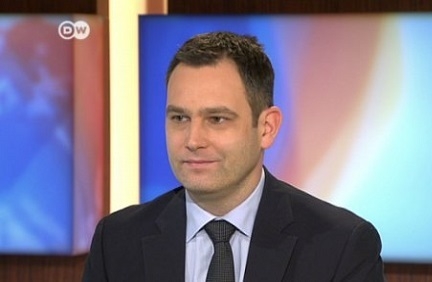
Gustav Gressel:Konuk Araştırmacı
Daha vahim olan, Ukrayna halkının istikrarsızlaştırıcı eylemleri kanıksaması veya bunlara kayıtsız kalmasıdır. Batı’nın tavrı Ukrayna’da hayal kırıklığı yaratıyor.
Ukrayna parlamentosu 15 Temmuz günü Donbas’taki ‘Halk Cumhuriyetlerine’ özel statü tanıyan yasayı çıkardı. Duygusal tartışmalar parlamentoyu ikiye böldü. Şubat ayında imzalanan Minsk Antlaşması’na uyulması koşuluyla yasa geçti. Ne var ki Rusya Minsk Antlaşması’yla yükümlendiği hiçbir adımı atmadı. Ateşkes yok, Rus askerleri ve ağır silahları geri çekilmedi, esir takası yapılmadı, etkin gözlem mekanizması işletilmiyor.
Rusya hiç adım atmadığı halde – Amerikalı ve Alman diplomatların baskısıyla – Ukrayna sonraki adımları atmak zorunda kaldı. Amerikalı ve Avrupalı siyasetçiler halka Minsk II Antlaşması’nın başarısızlığa uğradığını anlatamıyorlar. İlerleme kaydediliyor algısının sürmesi için Ukrayna’dan adım atması bekleniyor. Kiev’le müzakerelerin gölgesi kara bir leke gibi reform sürecinin üzerine düştü.
Batı ülkeleri Ukrayna’nın Rusya’ya iyi niyetini göstermesi gerektiğinde ısrar ediyor. Bu Ukrayna’nın Minsk Antlaşması’nı tek taraflı sahiplenmesi anlamına geliyor.
Ukrayna halkı ise yerinden yönetim reformunu barış sürecinin parçası gibi değil, Moskova’ya verilen bir taviz ve Ukrayna’nın egemenliğinden vazgeçme olarak görüyor.
Yunanistan’ı kurtarma planı da Kiev’in mağduriyet duygusunu kamçıladı. Ukrayna IMF’den 17 milyar Euro borç alabilmek için savaşın ortasında reform programına razı olmuşken Yunanistan şimdilik karşılıksız 7 milyar Euro alacak. Çok daha yumuşak koşullara bağlı olarak reform yaparsa kasasına 86 milyar Euro daha girecek. Ukraynalılar Batı’dan askeri yardım alamadıklarından da yakınıyorlar. Öfke ve hayal kırıklığı hızla yayılıyor.
Artan hayal kırıklığı iki yeni iç siyaset eğilimiyle kesişiyor. Bunlar yükselen popülizm ve güvenlik bürokrasisinin siyasi güce dönüşmesidir.
Popülizmin ve reformun çatışması kaçınılmaz. Parlamenterleri ve devlet memurlarını siyaseten bağımsız hale getirme arzusuyla maaşlarından kesinti yapılması bir arada yürüyecek süreçler değil.
Güvenlik bürokrasisinin iç siyasette güç kazanması savaşın yan etkisidir. Bu durum Ukrayna demokrasisini tehdit etmemekle birlikte ülkenin siyasi kültürüne ve iklimine yeni bir şekil veriyor. Güvenlik güçleri yaptıkları işin doğası gereği şeffaflıkla ilgilenmezler.
NATO ve AB’ye giren Doğu Avrupa ülkelerinde güvenlik bürokrasisinin yetkileri daraltılmış ve üzerlerindeki demokratik denetim artırılmıştı. Ukrayna’nın gündeminde böyle net bir hedef bulunmuyor.
Batılı siyasilerin Ukrayna stratejileri üzerinde yeniden düşünmeleri gerekiyor. Birincisi, Ukrayna rejiminin aşırı merkeziyetçi olduğu ve değişime acil ihtiyaç duyduğu bir gerçek ama reform gündemiyle Minsk süreci birbirinden ayrılmalı.
İkincisi, Rusya Minsk Antlaşması’na uymak bir yana uygulanması halinde Ukrayna’nın egemenliğini tehlikeye atacak yeni taleplerde bulunuyor. Moskova Batı’yı ve Kiev’i “Bosnalaşma” tuzağına düşürme umudundan vazgeçmiş değil. Rusya başarısız olmaya mahkum bir federalleşme yoluyla etkisiz devlet yaratmak istiyor. Batı’nın Rusya stratejisini gözden geçirmesi şarttır.
Kiev’in tek taraflı taviz vermesine dayanan bir çözümün sürdürülebilir olmadığının anlaşılması lazım. Moskova Ukrayna’yı felç etme hedefine ulaşıncaya kadar yeni ödünler talep edecek.
Son olarak, Batı AB-Ukrayna ilişkilerini güçlendirmenin çaresini bulmak zorundadır. Brüksel ve üye ülkeler kullanmayı becerebilirlerse ortaklık antlaşması yeni girişimler için çerçeve işlevi görebilir. Tam üyeliğin masada olması gerektiği de unutulmamalı.
Avrupa kamuoyu genişlemeye soğuk bakarken hiçbir politikacı Ukrayna’nın üyeliğini gündeme getirmeye cesaret edemez. Ama Kiev’in Kopenhag kıstaslarını yerine getirmesi zaten on yıllar alacak. Bu adımın siyasi bedeli şu an için yüksek değil. Diğer yandan, Avrupa Ukrayna’yı muhatap almadığı sürece bu ülkenin yaşayacağı dönüşümün Avrupa modeline benzememe riski artıyor.
Çeviri: Dr. Ömer Aytek Kurmel
Cherkessia.net, 3 Ağustos 2015
****
Is Europe losing Ukraine?
Gustav Gressel , 30th July, 2015
Although temperatures remain low, summer time has started in German politics. Politicians have gone back to their constituencies, diplomats are being reshuffled, offices are being restructured, and even the efforts to save Greece have lost some of their drama in the last week. But beyond the empty corridors of the Bundestag, significant foreign policy challenges remain and in some cases grow. One of them is Ukraine.
On 11th June 2015, fighting in Mukaczewo in western Ukraine took the lives of two Prawy Sektor activists. While Prawy Sektor claims that these activists were acting as a vigilante force, trying to clean up smuggling operations conducted by corrupt local police and officials, the government described the Prawy Sektor's gunmen as the ones escorting smugglers to raise money for their organisation. Wherever the truth lies, this is a worrying sign: neither vigilantism nor a marriage between organised crime and political activists are reassuring for the future of Ukraine.
While it is unlikely that the Prawy Sektor will become a major force in Ukrainian politics, owing to its narrow support base, it could become a major destabilising factor – not unlike the Brigate Rosse in Italy or the 17N movement in Greece. Prawy Sektor, like these other groups, sees itself as having defended the country at the time of greatest need, but is deemed as unacceptable to mainstream politicians. Prawy Sektor portrays itself as the victim of political intrigues and Russian subversion and as true defenders of the ‘Ukrainian people’ against a corrupt, repressive, socially indifferent, subverted, and ineffective state apparatus. Mixing involvement in organised crime with a revolutionary zeal and ‘Robin Hood’-like arguments was one of the primary activities of the radical, violent left in southern Europe and could become a central activity of the Ukrainian far-right.
What is perhaps more worrying still is the increasing acceptance or indifference of the Ukrainian society towards the destabilising developments. And frustration in Ukraine is mounting over the way the West deals with Ukraine is increasing this frustration.
On 15th July the Ukrainian parliament adopted the law on the special status of the ‘Peoples’ Republics’ in the Donbas. The constitutional amendment was highly controversial, and a very emotional debate split the Ukrainian parliament. Ultimately, the amendment was passed to comply with the Minsk agreement, signed in February. Yet Russia for it's part has not met a single condition demanded by the Minsk agreement prior to Ukraine's constitutional reform: there is no ceasefire: there is no heavy weapons withdrawal, no prisoner exchange, no withdrawal of Russian troops, and no effective supervision.
So why should Ukraine implement the later stages of the agreement, if Russia hasn't moved at all? The answer is Western pressure. US and German diplomats were putting pressure on Ukraine to proceed with the implementation of the Minsk Agreement, despite the fact that Russia was not complying. There is the feeling that neither American nor European politicians are ready to tell their domestic audience that the Minsk II agreement has failed. And so Ukraine must take action in order to maintain the illusion that there is still progress. Indeed, the way in which the negotiations with Kyiv were conducted has left a black mark on the entire reform process. The West insists that Ukraine needs to “signal” its goodwill to Russia by advancing the agenda of the Minsk agreement unilaterally. But now, rather than seeing it as part of a genuine peace process, the Ukrainian public regards the entire decentralisation reform as a concession to Moscow and a surrender of Ukraine's sovereignty.
The new bailout agreement with Greece has further reinforced the feeling of unfair treatment in Kyiv. In the midst of fighting a war, Ukraine has had to embark on a dramatic reform programme in order to secure a €17 billion loan from the IMF. Greece, on the other hand, will receive a stopgap €7 billion for free and comparatively soft reforms will lead to a further aid package of €86 billion for Athens. At the same time the West – at least from a Ukrainian perspective – is providing little help for Ukraine regarding its military standoff with Russia. The feeling of anger and disappointment is spreading.
This rising disappointment coincides with two new trends in Ukrainian politics: the rise of populism and the emergence of the security sector as a political force. Populist gestures will collide with the reform agenda, especially as the slashing of MP and civil servant salaries conflicts with the desire to strengthen their political independence. The rise of the security sector in Ukrainian politics is a side-effect of the war. While not posing a threat to the Ukrainian democracy by itself, it reshapes the political culture and political climate in Ukraine. Security forces are usually more conservative and less interested in transparency – a natural habit of their working environment. In Eastern Europe the goal of NATO and EU enlargement has made the security apparatuses swallow limitations on their domestic powers and increasing democratic oversight. But such a clear direction is missing in Ukraine.
The situation should make western politicians – Europeans and Germans as well as Americans – rethink their strategy on Ukraine. First of all, while it remains true that Ukraine is over-centralised and in desperate need of reforms, pushing the reform agenda should be separated from the Minsk process. Otherwise it will delegitimise the entire effort. Second, the strategy towards Russia needs to be reconsidered. Russia is not implementing the Minsk-Agreement, instead airing new demands that would – if implemented – undermine Ukraine's sovereignty. Russia has not given up the hope to lure both the West and Kyiv into a trap of ‘bosnianisation’ - creating a failed state through ill-fated federalisation. The West needs to manoeuvre tactically to avoid this above all. And any solution that rests on unilateral concessions by Kyiv alone will not be sustainable. Moscow will demand more, until it reaches its goal of a paralysed Ukraine.
Last but not least, the West should consider how to strengthen the dynamism in EU-Ukrainian relations. The ratification and application of the association agreement could be a framework for new initiatives, if used pro-actively by Brussels and the member states. Still, the issue of the final destination will be on the table. With an increasingly hostile domestic climate against enlargement, few European politicians want to talk about membership for Ukraine. But it would need decades to fulfil the Copenhagen criteria – for the moment, at least, such a move would cost little. On the other hand, the less Europe is willing to engage directly in Ukraine, the more it has to accept that the outcome of the transformation process in Ukraine will differ from the European model.
Gustav Gressel : Visiting Fellow
Bu haber toplam 3351 defa okundu.


KOBLİ
Kültür ve tarih bakımından Ukrayna Avrupa’ya dönüktür. Avrupa Konseyinin bir üyesidir. Bir zamanlar Türkiye’nin yaptığı gibi Avrupa Birliğine katılmayı isteyebilir. Esas itibariyle üye olabilir.
Fakat Kopenhag kriterlerine uyma sorununa gelmeden iç savaş yaşayan bir yer olarak önce geçici istikrarı sağlamalı.
Mücahit Soyuğur
Ne zamandır avrupanındı ki kaybetsin?
04 Ağustos 2015 Salı Saat 10:05