Karakter boyutu :


Alexander Baunov : Hollanda Ukrayna’ya Neden Sırtını Döndü

29 Nisan 2016 Cuma Saat 21:55
Alexander Baunov, 12 Nisan 2016
Hollandalıların AB-Ukrayna Ortaklık Antlaşmasını onaylamamalarının sebebi Rusya’ya sempati duymaları değildi. Antlaşmayı onaylamadılar çünkü Ukrayna’nın – tıpkı Rusya gibi – Avrupa topluluğuna girmeye hazır olmadığını düşünüyorlardı.
AB-Ukrayna Ortaklık Antlaşması üzerine Hollanda’da yapılan referandum önce fazla ilgi çekmedi. Referandumu düzenleyenlere Putin yanlısı aşırı sağcılar gözüyle bakıldı. Ama seçmenin yaklaşık üçte ikisinin hayır oyu kullanması referandumun daha fazla ilgiyi hak ettiğini düşündürüyor.
İki muhalefet partisine mensup aktivistler altı haftada 400.000’den fazla imza topladılar. Günlük hayata doğrudan etkisi olmayan bir konu için bu rekor bir rakamdı. Ukrayna antlaşması aslında – Tunus, Fas, Mısır ve diğer ülkelerle imzalananlar gibi – sıradandı. Ama dört milyon kişi, yani ülke nüfusunun yüzde 32’si sandığa gitti.
Referandum “görüş bildirmeden” öteye bir anlam taşımasa da başbakan, dışişleri bakanı ve en büyük partiye mensup parlamenterler oylamanın sonucuna saygı duyacaklarını beyan ettiler. Benzer bir gelişme 2005 yılında yaşanmış; yeni AB anayasası için yapılan halk oylamasında yüzde 60 hayır oyu çıkınca konu bir daha gündeme gelmemişti.
Hollanda parlamentosu antlaşmayı reddedebilir, askıya alabilir, ardından AB’den hükümleri gözden geçirmesini ister. Antlaşmanın yürürlüğe girmesi tüm AB üyeleri tarafından onaylanması gerekiyor. Parlamento elbette antlaşmayı onaylayabilir. Ama önümüzdeki yıl genel seçimlerin yapılacağı düşünülürse bu zayıf bir ihtimaldir.
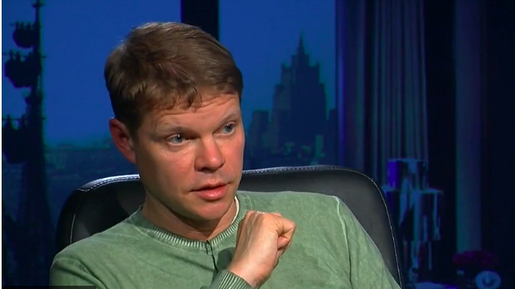
Alexander Baunov :Kıdemli Ortak, Carnegie.ru baş editörü-Moskova Merkezi
Referandum süreci aşırı sağcı Özgürlük Partisi lideri Geert Wilders’in girişimiyle başladı. Göçmen karşıtı Wilders “Fitne” adlı bir film hazırlattı. Film hadisleri ve terör manzaralarını yan yana getirdi.
Referandum girişimcileri Putin destekçisi değiller. Mesela Geert Wilders Rusya’nın Kırımı ilhak etmesine karşı çıktı. Hollandalı siyasetçi geleneksel çizgiden farklı bir siyaset izliyor.
Yeni aşırı sağ milliyetçi, tutucu, ilerici ve liberal değerleri harmanlıyor. Nitekim Sosyalist Parti üyeleri ve çevreciler Özgürlük Partisi ve diğer göçmen-karşıtı gruplarla birlikte Ortaklık Antlaşmasına hayır oyu verdiler.
Yeni aşırı sağ partilerin tek ortak noktası göçmen karşıtı olmalarıdır. Kadın ve cinsel azınlık hakları gibi “Avrupalı değerlerin” korunması adına göçmenlere ve belli Doğu Avrupa ülkeleriyle yakınlaşmaya itiraz ediyorlar.
Kimi Batı Avrupalılara göre Ukrayna “Eski” Avrupa’yı tehdit eden bir geriliği simgeliyor. Bu çevreler Ukrayna’nın Rusya kadar kötü olduğuna inanıyorlar. Ülkenin en Avrupai kenti Lviv’de LGBT şenliğinin yaptırılmamasını örnek gösteriyorlar.
Hollandalılar ve diğer Avrupalılar Rusya’yı Ukrayna’ya tercih ediyor değiller; sadece ikisi arasında pek bir fark göremiyorlar.
Bununla birlikte Ukrayna’nın Avrupa Birliğine katılmak istemesi veya serbest ticaret antlaşması üzerinde ısrar etmesi Avrupa sağını rahatsız ediyor.
Rusya Ukrayna’nın tersine faal bir tecrit politikası izliyor, ısrarla Avrupa’dan ne kadar farklı olduğunu kanıtlamaya çalışıyor.
Bazı Avrupalılara göre Ruslar hiç olmazsa AB ülkelerine göç ederek emek pazarına girme peşinde değiller.
Rusya askeri, Ukrayna sivil meydan okumayı simgeliyor.
Ortaklık Antlaşmasına karşı çıkanlar Ukrayna karşıtlığının altını çizmekten ziyade Avro-kuşkuculuğa vurgu yapıyorlar. Bu şaşırtıcı değil. Zira Hollanda’ya göç eden Ukraynalıların sayısı sınırlı.
Wilders ve fikirdaşlarına göre bu bir prensip meselesi; AB bürokratları Hollandalılara ülkelerinde kimin yaşayacağını söyleme hakkına sahip olmamalılar.
Referandumda hayır oyu verenlerin tercihini kısmen Wilders’in Müslüman göçmenlere ilişkin uyarısı belirledi. Wilders Brüksel saldırını ve Köln’deki taciz vakalarını hatırlattı. Seçmenler de onun yine haklı çıkabileceği ihtimalini akıllarında tutarak oy verdiler.
Ukraynalılar ve Avrupalı dostları referanduma desteği hafife alırken Ortaklık Antlaşmasının önemini abarttılar. Antlaşmanın abartılması doğaldı; zira duygusal yanı çok güçlü olan Euro Meydan ayaklanması ertesinde imzalanmıştı.
Referandum girişimcilerine göre ortaklık antlaşması Ukrayna’nın Avrupa yönünde attığı ilk ve en önemli adım değildi. Kiev yalan söylüyordu.
Ukraynalı siyasiler antlaşmayı abarttıklarını Avrupalıların fark etmeyeceğini düşünüyorlardı. Avrupalı değerleri benimseme adına ciddi adımlar atmamaları karşısında Avrupa’nın tepkisiz kalacağına inanıyorlardı.
Referandum sonuçları temel sorunun anlaşıldığını gösteriyor. Ukraynalılar Avrupalı değerleri içselleştirmiyor, Avrupa’yı katılacakları bir kulüp gibi görüyorlar.
Ukrayna’nın üyeliği konusunu Avrupa’nın gündemine taşıyan Rusya’nın olası tepkisi karşısında duyulan korku oldu.
Oysa Avrupa tüm siyasi kararlarını “Putin ne der?” diye sorarak almıyor veya Ukrayna savaşının ne pahasına olursa olsun kazanılması gerektiğini düşünmüyor.
Avrupalıların Ukrayna’yı aralarına almaları için çok iyi sebepleri yok.
AB’nin barış inşa etme perspektifinden bakıldığında Avrupa’nın genişlemesinin düşmanlıkları azaltmaya hizmet etmesi gerekiyor.
Ukrayna ile sıkı bağlar ise tam tersi etki yapmış görünüyor.
Çeviri: Dr. Ömer Aytek Kurmel
Cherkessia.net, 29 Nisan 2016
***
Dutch Unease: Why the Netherlands Turned Away From Ukraine
Alexander Baunov, 12.04.2016
The Dutch didn’t reject the EU’s Association Agreement with Ukraine because they are sympathetic to Russia. They rejected it because they believe that Ukraine, like Russia, is unprepared to join the European community.
The Netherlands’ referendum on the EU’s Association Agreement with Ukraine didn’t garner much attention at first. Its supporters were painted as fringe rightists with sympathies for Vladimir Putin, and its potential for success was dismissed out of hand. But with nearly two-thirds of Dutch voters opposing the agreement, it’s clear that the referendum should have been taken much more seriously.
Activists from two opposition parties gathered more than 400,000 signatures over the course of six weeks—an unprecedented number for an issue with so little impact on day-to-day life. Indeed, for most Dutch, the agreement with Ukraine is simply another prosaic free trade deal, like the ones that the EU has already signed with Tunisia, Morocco, Egypt, and a number of other states. Still, more than 4 million people, or 32 percent of the Dutch population, participated in the referendum.
The referendum may have only been “consultative,” but the prime minister, foreign minister, and representatives of the parliamentary majority have pledged to respect the results of the vote. The same thing happened in 2005, the last time the Netherlands held a nationwide referendum: 60 percent of the population voted against a new EU constitution, and the issue hasn’t been discussed since.
It seems likely that the parliament will vote to annul or suspend the ratification of the agreement, and the Dutch government will ask the EU to review its terms. The agreement will not enter into force unless all EU members approve it. Of course, the parliament could still vote to approve the agreement, but general elections are scheduled for next year and rejecting the result of the referendum would be bad politics.
The referendum began as an initiative sponsored by Geert Wilders, the leader of the far-right, populist Party for Freedom. Wilders has stridently opposed immigration and offended a number of Muslims with his controversial film “Fitna,” which shows verses from the Quran next to images of terrorist leaders and attacks.
Contrary to what many pundits have argued, the referendum’s sponsors aren’t exactly Putin sympathizers. For example, Geert Wilders and others have condemned Russia’s annexation of Crimea. Wilders represents a new European far right, which has a far more nuanced agenda than traditional far-right groups.
The platform of the new far right blends conservative and nationalist principles with highly progressive and liberal ones. Accordingly, Socialist Party members and environmentalists joined the Party for Freedom and other anti-Muslim groups in opposition to the Association Agreement.
The only thing that all new far-right parties have in common is their anti-immigration stance. Their leaders claim that they oppose immigration and closer ties with certain Eastern European countries in order to protect “European values,” such as the rights of women and sexual minorities, and other rights they believe immigrants threaten.
To some Western Europeans, Ukraine is an example of the kind of backwardness that threatens “Old” Europe. For them, Ukraine—where an LGBT festival was recently shut down in Lviv, the country’s most European city—is, in some ways, as bad as Russia.
It’s not that the Dutch like Russia or dislike Ukraine, it’s that many in the Netherlands and elsewhere in Europe don’t see much difference between the two countries. Their aspirations differ, however, which irks some on the right: unlike Ukraine, Russia isn’t trying to join the European Union, insisting on its “European destiny” to its citizens, or pushing for a free trade agreement.
In fact, Russia is actively pursuing isolation and doing everything it can to prove how distinct it is from Europe. As some Europeans see it, at least Russians aren’t planning on immigrating to the EU to steal local jobs. Russia presents a military security challenge, but Ukraine presents a civil one.
Still, the rhetoric coming from opponents of the Association Agreement has been more Eurosceptic than anti-Ukrainian. This is not surprising, since the number of Ukrainians moving to the Netherlands is quite small. It is a question of principle, not practice: Wilders and others argue that bureaucrats in Brussels shouldn’t be telling Hollanders who can live in their country. The Dutch who voted against the agreement did so in part because of Wilders’s warnings about Muslim immigrants and—remembering the attacks in Brussels and in Cologne—because they feared that he might be proven right again.
Ukrainians and their supporters in Europe underestimated support for the referendum and overestimated the importance of the Association Agreement. The value of the agreement was easy to exaggerate because of the geopolitics surrounding it: signed in the wake of the Euromaidan Revolution, the agreement has become a justification for all of the suffering, loss, and deprivation that has followed.
Referendum organizers argue that the Ukrainian government is lying when it claims that the agreement represents Ukraine’s first and most important step toward Europe. Ukrainian politicians, not necessarily acting in bad faith, believed that Europeans wouldn’t notice how they exaggerate the importance of the agreement, or at least wouldn’t object to Kyiv’s failure to take meaningful steps toward embracing European values.
As the results of the Dutch referendum show, some Europeans are beginning to see the central problem that underlies Ukraine’s pro-Western policy: Ukraine views Europe as something to join, not as a set of values it can work toward on its own.
The specter of a revanchist Russia helped put Ukraine’s accession on the European agenda. But Europe does not make all of its political decisions based on how they might affect Putin, and Europe does not view the fight for Ukraine as one that must be won at any cost.
Thus, there is little motivation among Europeans to bring Ukraine into the fold. From the peace-building perspective of the EU, it follows that any expansion of Europe must reduce the overall level of hostility on the Continent. Closer ties with Ukraine have already had the opposite effect.
Senior Associate
Editor in Chief of Carnegie.ru
Moscow Center
Bu haber toplam 3281 defa okundu.


İlluminati
Ukrayna'nın ikiye bölünmüş ve ekonomisi bitmiş bir ülke olduğunu savunan 'hayırcı' Hollandalılar, Ukrayna ile işbirliğinin Avrupa birliği'ni geriye götüreceğine inanıyor.
Bunu düşünen Hollandalılar öngörüsüz oldukları gibi Ukrayna'nın demografik ve ekonomik yapısı hakkında en ufak fikirleri yok. Bu anlaşmanın EU'ya bölgede önemli ve güçlü bir müttefik kazandıracağının farkında değil gözüküyorlar Böyle giderse yakın gelecekte Putin gaza gelip Avrupa'yı taciz etmeye karar verdiğinde "where is ukrayna air force" diye ağlayanlar yine Hollandalılar olur başkası değil.
Ilhami Erdogan
AB için Hollanda referandumu zaten hükümsüzdü.Referandum sonrası Ukrayna'ya verdiği sözü tutacağını söyledi. Bence o konuda tutarlı yol izliyor.
Ukrayna yalnız bırakılmamalı.