Karakter boyutu :


Richard Youngs: Avrupa’nın Demokratikleşmesi

22 Mart 2017 Çarşamba Saat 23:42
Richard Youngs, 8 Ağustos 2016
Brexit Avrupa Birliğinin nasıl ıslah edileceğine ilişkin sayısız tartışma başlattı. Birleşik Krallığın ayrılık oylamasından bu yana çok sayıda komiser, bakan ve cumhurbaşkanı AB’nin daha esnek ve yurttaşlarının kaygılarına duyarlı olması gerektiğini kabul etti.
Ama her seferinde aynı şey oluyor; son yirmi senede her krizin ardından Avrupalı liderler bütünleşmeyi yeniden düşüneceklerine söz veriyorlar, ortalık yatışınca herşey eski haline geri dönüyor.
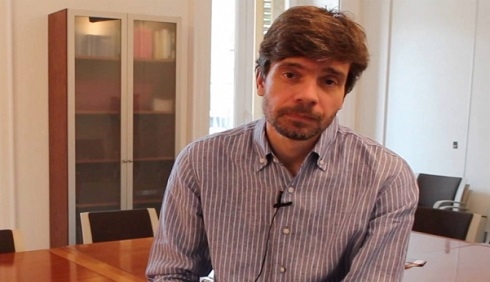
Richard Youngs:Carnegie Europe Kıdemli uzmanı, Demokrasi ve Hukukun Üstünlüğü Programı
Şu anda yaşanan tartışma yeni değil. Bazıları AB’yi tam siyasi birliğin kurtaracağına inanıyor. Bunlar arasında kıdemli AB komiserleri, Avrupa Parlamentosu üyeleri, Fransa ve Almanya dışişleri bakanları var. Diğerleri tam tersini düşünüyor. Bu grup orta ve doğu Avrupalı, Danimarkalı ve Hollandalı liderlerden oluşuyor.
Oysa ne bütünleşmeyi hızlandırmak ne de yavaşlatmak Avrupa Birliğini kurtarabilir. Brüksele yönelik kuşkuların yükselişte olduğu bir dönemde ekonomi ve güvenlik konularında işbirliğini artırma önerileri Avrupa projesi için coşku yaratmaz. Avrupa yurttaşlarını tuzağa düşürecek biçimde hazırlanmış reformların da uzun vadede istikrar yaratması mümkün değil.
AB’nin siyasi yapısını radikal biçimde yeniden şekillendirmek gerekiyor. Çok tartışılan seçeneklerden biri iki vitesli Avrupa; yani çeperdeki ülkeler olmadan çekirdek devletlerin siyasi birlik kurmaları. Ne var ki bu çözüm uygulanabilir olmaktan hayli uzak görünüyor. Zira hem çok az güney veya doğu Avrupalı ülke böyle bir muameleye katlanır hem de iki çekirdek devlet Fransa ve Hollanda’da AB’ye karşı kitlesel bir düşmanlık mevcut. Çekirdeğin Avro Bölgesi üyeliği üzerinden tanımlanması halinde de farklı düzeylerde bütünleşme olmaz. Çünkü tüm üye ülkeler zaten Avro Bölgesinin içindeler veya katılmak için başvurmuş olacaklar.
Bunun yerine AB’nin bir rönesansa ihtiyacı var. Ülkelerin ve halkların işbirliğine ilişkin geçmişten devralınmış fikirlere meydan okumak gerekiyor. Devletlerarası resmi ve kurumsal ilişkilere odaklı bakış açısından uzaklaşmak, yurttaşların dayanışmasına dayanan daha demokratik bir sözleşmeye yaklaşmak lazım. Avrupa yurttaşlarının katılımı olmaksızın hiçbir siyaset sıradan insanların Avrupa projesine duyduğu güvensizliği gideremez.
Rahatsızlığın giderilmesi için Avrupa Yurttaşları Sözleşmesi olarak tanımladığım dört ilkeye ihtiyaç var.
İşbirliğine Dayalı Sözleşme
Birinci ilke tercihtir. Birlikten çıkma kararı vermedikleri sürece üye ülkelerden tüm AB politikalarını benimsemeleri bekleniyor. Oysa tam tersi geçerli olmalı; ülkeler uygulamalara gönüllülük ve esneklik temelinde katılmalıdır.
Brükseldeki merkezi bürokrasi yerine – farklı siyaset alanları ve coğafi bölgeler temelinde – ademi merkeziyetçi bir yöntem benimsenmelidir. Böylece ulusal hükümetler yurttaşlarının tercihlerine kulak vererek katılım kararı alabilirler. Devletler razı olmadıkları yükümlülükleri isteksizce üstlenmek yerine AB’nin geleceğine ilişkin pozitif ve yapıcı bir rol oynayabilirler.
Sisteme dahil olma konusu önündeki en büyük sorun serbest ticaretin ve insanların serbest dolaşımının farklı başlıklar altında ele alıp alınmayacağı meselesidir. Serbest dolaşımın küçük ölçekte de olsa derecelendirilmesi Avrupa projesinin sürdürülmesine yardım eder. “Acil fren” uygulaması veya göçün geçici olarak durdurulması hem görece yoksul ülkeleri korur hem de serbest dolaşım sürecinin bütünüyle ortadan kalkmasını engeller. Halklara kendi istedikleri açıklık seviyesini belirleme hakkının tanınması uzun vadede ototiter milliyetçiliğe mani olur.
Gönüllülüğe dayalı katılımın Avrupa çapında işbirliğini karmaşık hale getireceği kesindir. Birçok alan – ticaret ve çevre politikaları veya sosyal politika ve Avro – birbirinden tamamıyla ayrılamaz, eşgüdüm gereklidir. Ama karmaşa riski statükoyu sürdürmenin doğuracağı riskten daha düşüktür.
İkinci ilke Avrupa’nın farklı ekonomik, sosyal ve siyasi modelleri arasında rekabet ruhunu canlı tutmaktır. AB’nin rolü geniş hedefler koymak olmalıdır; bu hedeflere nasıl ulaşılacağına ilişkin ayrıntılı veya müdahaleci planlar yapmak değil. Üye ülkeler bu hedeflere ulaşmak için izleyecekleri yolu kendileri seçebilirler. Mesela kemer sıkmaya son vermek isteyen devletler Keynesgil politikalar konusunda kredi veren ülkeleri ikna edemeyebilirler. Ama borç seviyesi düşürmek için büyüme yanlısı siyaset uygulama hakkına sahip olmalılar.
Üçüncü ilke aşağıdan yukarıya yurttaş denetimidir. Altmış küsur yıl önce uyumlu ve hiyerarşik bir çağda tasarlanmış AB yapısı bugün bireyin ve yerelin güçlendirilmesi gibi sosyal eğilimlerle onulmaz bir çelişki içindedir. Çok daha radikal bir demokratik meşruiyete ihtiyaç vardır.
Avrupa Parlamentosunda veya ulusal yasama organlarında yeni komiteler kurma yoluyla AB’nin hesap verebilirliğini düzeltmek yerine Avrupalı hükümetler iki yıllık girişimler başlatabilir, yurttaş meclislerinde veya forumlarında sıradan insanlar ne tür siyasi işbirliği istediklerini tartışabilirler.
Yerel topluluklar AB siyaset yapma sürecinin her aşamasına katılabilmeliler. Bu yerel katılım bütünleşmenin her adımı için yaşamsaldır. Avrupa-yanlısı gençliğin – kendini sandığa gitmeme biçiminde gösteren – siyasete mesafeli tavrı doğrudan demokrasinin yenilikçi türlerinin uygulanması gerektiğini düşündürüyor. Avrupa bütünleşmesinin başlamasından bu yana toplumlar radikal biçimde değiştiler. Avrupa kurumlarının da değişmesi gerekiyor.
Dördüncü ilke esnek bir ayrıştırma politikasının – sadece ülkeler arasında değil – ülkeler içinde de uygulanması gerekliliğidir. Avrupa’nın iç çeşitliliği dikkate alındığında her AB ülkesine standart uygulamalar konması pek akılcı görünmüyor. Neredeyse her Avrupa ülkesinde AB’nin kozmopolit ve beynelminelci ruhundan mutlu olanlarla bundan zarar görenler arasında çelişkiler yaşanıyor.
Yerelci çevrelerin “cehaletinden” sızlanmanın bir yararı yok. Farklı düşünenlerin kaygılarına kulak vermeyen, onların demokratik sesini bastırarak yoluna devam eden bir bütünleşme projesi savunulamaz. Yapılması gereken küreselleşcilerle yerelcilere bir arada varolacakları alanı açacak biçimde Avrupa işbirliğini yeniden düşünmektir.
Bu düzenlemeyi uygulanabilir kılmak için Avrupalı liderler yasal çoğulculuk konusuna kafa yormalılar. Yasal çoğulculuk farklı hukuki ve düzenleyici normların tek bir siyasi sistem içinde bir arada nasıl varolacaklarını inceler. Tercihler arasında radikal farkların bulunduğu toplumları bir arada tutmak için yasal sistemler kotarılmasına ilişkin zengin bir dağarcık vardır. Mesela Avrupa’nın büyük ve çok-kültürlü kentleri için daha serbest bir göç rejimi uygulanırken taşra için daha sıkı bir düzenleme düşünülebilir veya bir üye ülkenin bir bölgesi Avrupa işbirliği girişimine katılmak isterken bir diğeri dışarıda kalmak isteyebilir.
Reform veya Çöküş
Birçok kişi böylesi kapsamlı bir değişimi sakıncalı bularak AB’nin mevcut durumu sürdürmesini tercih edebilir veya çok fazla esnekliğin ve istişarenin Avrupa kuşkucuları güçlendireceğinden kaygı duyabilir. Ama bu sağlıklı bir düşünce tarzı değil: AB’nin asıl önceliği – Avrupa kuşkuculuğun sesini boğmak yerine – Avrupa yurttaşları arasında işbirliği ve dayanışmanın güçlü temellerini atmaktır.
Brexit – başka şeyler yanında – kendi liderleri tarafından gözardı edildiğine inanan bir nüfusunun tehlikesine dikkat çekti. Doğrudan, katılımcı siyaset tarzına şans verilmeli, bu tarz kısa vadede popülizmden duyulan korkuya feda edilmemelidir. Reformcular esnek bütünleşmenin daha az bütünleşme anlamına geldiğini düşünmemelidir. Hatta doğru esneklikle bütünleşme daha da güçlenebilir.
Avrupalı hükümetlerin – önceden olduğu gibi – tökezleyecekleri kesin gibidir. Ama Avrupalı liderler küçük değişikliklerle yetinirlerse veya hiçbir değişiklik yapmazlarsa Fransa, Hollanda ve diğer ülkelerde AB’den çıkılmasına ilişkin kanaatleri güçlendirmiş olurlar. Bu da Avrupanın birlik ruhunu zedeler. Şimdiden harekete geçmek ve geri dönüşü olmayacak bir çöküşü önlemek gerekiyor. AB liderlerinin sürekli yenilikçi düşünme çağrısı yapmaları ama birliğin çekirdek bütünleşme modelini güncelleme yönünde siyasi irade koymamaları tutarlı bir davranış değildir.
Avrıpalı liderler yenilikçilik konusunda gerçekten samimiyseler Roma Antlaşmasının altmışıncı yıldönümünde yeni bir sayfa açmak zorundalar. AB’nin Avrupa’da barışı sağlama görevini ifa ettiğini ilan etmeleri ve Avrupa Yurttaşları Sözleşmesini hayata geçirmeleri gerekiyor. Daha ilerici bir Avrupa projesinin şekillenmesi için esneklik ve yenilikçilik bunu gerektiriyor.
Çeviri: Dr. Ömer Aytek Kurmel
Cherkessia.net, 22 Mart 2017
***
Democratizing Europe
Richard Youngs, August 08, 2016
Brexit has galvanized numerous debates about how to reform the European Union. Since the United Kingdom’s vote to leave, countless commissioners, ministers, and presidents have acknowledged that the EU must become more flexible and responsive to citizens’ concerns. But there is a familiar pattern at work: after every crisis in the last two decades, European leaders have promised to rethink integration, only to carry on in a business-as-usual fashion as soon as the dust settles.
The debate that is now taking shape is therefore a tired one. Some believe that the EU can be saved only by accelerating moves toward a full political union. This group includes senior EU commissioners, politicians in the European Parliament, and the French and German foreign ministers. Others, including leaders in central and eastern Europe, Denmark, and the Netherlands, draw the opposite conclusion. But neither speeding integration up nor slowing it down will suffice to rescue the European Union. Current proposals on the table to increase cooperation on economic policy and security, moreover, are unlikely to reignite enthusiasm for the European project at a time when suspicion of Brussels is on the rise. Introducing reforms in a way designed to circumvent the preferences of Europe’s supposedly ill-informed or ignorant citizens, moreover, would be both patronizing and incapable of providing any long-term stability.
Instead, the EU needs to radically reconfigure its whole political structure. One much-discussed option is the creation of a two-speed EU, with the possibility of so-called core states moving toward political union without the periphery states. Yet this solution is likely to be unworkable, as few southern or eastern European states would put up with such treatment, and two supposed core states—France and the Netherlands—have some of the continent’s highest levels of popular hostility toward the EU. If the core is based on the eurozone, moreover, there will be little scope for different levels of integration, given that nearly all member states are either already in the eurozone or have signed up to join.
What the EU needs, rather, is a renaissance, challenging inherited ideas about what cooperation between nations and peoples looks like. This renaissance should move away from a focus on formal, institutional relations between states and toward a more democratic compact based on solidarity between citizens. Without the fuller participation of Europe’s citizens, no new policies will be able to address the current malaise, which is based largely on ordinary people’s distrust of the European project. To address this malaise, European leaders should adopt what I call a Compact of European Citizens, governed by four principles of cooperative decision-making.
A COOPERATIVE COMPACT
The first principle is choice. At present, member states are expected to adopt all EU policies, unless they can negotiate opt-outs—which is extremely difficult to do. This should be replaced with its opposite: a process of voluntary and flexible opt-ins.
Instead of a centralized bureaucracy in Brussels, policy formation could be decentralized to a series of policy communities, which would oversee cooperation in different policy areas and which would be managed by agencies geographically distributed across Europe. National governments, then, would be free to choose which policy communities to join depending on the preferences of their citizens. This principle would give each state an active and positive role in shaping the EU’s future rather than a passive one that must accept undesirable obligations.
The thorniest question for an opt-in model would be whether free trade and the free movement of people should be separate menu items. Even if one is opposed to limits on free movement, in the current circumstances it may be that some modest gradation in the application of free movement could help preserve the European project. For instance, legal provisions for an “emergency brake,” or a temporary halt to immigration, would allow states to protect their poor or vulnerable communities from rapid increases in migration without upending the core principle of cross-border interaction. Giving populations the chance to choose their preferred level of openness might even counter illiberal nationalism in the long run.
Of course, the voluntary opt-in approach would make European cooperation extremely messy. Many areas of policy—such as trade and environmental policy, or social policy and the euro—cannot be completely decoupled, and there would have to be some coordination between policy communities. But the risks of some messiness are much less than those of continuing with the status quo, which gives states and citizens no choice in separating out the aspects of integration they want from those they do not.
The second principle is championing a spirit of competition across Europe’s different economic, social, and political models. The EU’s role would be to set broad goals, not to impose detailed or intrusive plans on how these goals should be reached. Member states could then design their own preferred routes toward meeting common goals, and the best models would prosper economically, setting an example through results rather than following rules. For instance, states that want to end austerity may not be able to convince creditor states to adopt pan-European Keynesianism, but they themselves would be allowed to experiment with using pro-growth policies to reduce debt levels.
The third guiding principle is bottom-up citizen control. The whole structure of the EU—invented over 60 years ago in a more deferential and hierarchical age—is today hopelessly at odds with underlying social trends toward individual and local empowerment. A far more radical notion of democratic legitimacy is needed.
Instead of endless talk about improving democratic accountability in the EU through the creation of a few more committees in the European Parliament or national legislatures, European governments should launch a major two-year democratic initiative in which citizen assemblies and forums are allowed to deliberate on the kind of European policy cooperation that ordinary people would like to see. Local communities should be allowed and encouraged to participate at all levels of EU policy formation. This local participation will be crucial in any new phase of integration. The trend of political apathy among pro-European youths who choose not to vote, moreover, suggests the need for innovative forms of direct democracy. Societies have radically changed since the inception of European integration; it is hardly surprising that European institutions need to change as well.
The fourth principle is that flexible policy differentiation must be explored within states, not only between them. Given Europe’s internal diversity, it may no longer be desirable to apply all areas of policy uniformly across every EU member state. In almost every European country a breach has opened up between those happy with the cosmopolitan and internationalist spirit of the EU and those who feel marginalized by it. But little is to be gained from bemoaning supposed nativist ignorance—an integration project incapable of addressing doubters’ concerns, and which proceeds only by suppressing their democratic voice, is hardly one worth defending. The challenge, rather, is to rethink the whole form of European cooperation to allow space for both the globalists and the nativists.
As for the practicalities of such an arrangement, European leaders should look to legal pluralism. Legal pluralism explores how different juridical and regulatory norms might coexist within a single political system, and a rich academic literature on the subject offers resources on designing legal systems to accommodate populations with radically different preferences. For instance, there could be a more liberal legal immigration arrangement for Europe’s big multicultural cities and a stricter one for the hinterlands, or some regions of a member state might want to buy in to European cooperation initiatives that other regions of the country oppose.
REFORM OR BUST
Many will protest that such far-reaching changes and out-of-the-box ideas are not feasible and that the EU should focus instead on stabilizing the current status quo. Or they might argue that too much flexibility and democratic consultation will empower the Euroskeptics. But this reflects an unhealthy way of thinking: the real challenge for the EU is not simply to find any means possible of containing Euroskepticism, but rather to secure stronger foundations for future cooperation and solidarity between European citizens. Brexit demonstrated, among other things, the danger of a population that feels ignored by its leadership. More direct, participatory politics can help in this regard, and should not be shunned simply out of short-term fears of populism. Reformers should also challenge the common assumption that flexible integration is synonymous with less integration; if flexibility is structured in the right way, the opposite is likely to be true.
Of course, in practice it is almost certain that European governments will stumble on as before. But if European leaders make only minor changes to the EU—or no changes at all—they will increase the chances of successful referenda to leave the EU in France, the Netherlands, and elsewhere that could permanently destroy the spirit of European unity. It is better to act now and pre-empt an irreversible collapse. There is little point in EU leaders calling time and again for innovative thinking if they then show no political will to update the union’s core model of integration.
If European leaders were really in the mood to innovate, they would use the 60th anniversary of the Rome Treaty next year to turn a page. They should declare that the EU has accomplished its mission of securing peace in Europe, and launch a new Compact of European Citizens, in line with the principles of flexibility and innovation that could usher in a more progressive era for the European project.
Carnegie Europe,Senior Fellow , Democracy and Rule of Law Program
Bu haber toplam 3561 defa okundu.


CANBERK
Doğru sorular soruyor analizci.
Kendi öngörüme gelirsem;önümüzdeki süreçte (2025'e kadar) çok hareketli olacak kıta.
4 parçalı İspanya, 3 parçalı birleşik krallık, 2 parçalı Fransa, yine 2 parçalı Belçika bizi bekliyor.
bir ihtimal buna 2 parçalı İtalya'yı da ekleyebiliriz. bir de Doğu Avrupa'da olacak olanlar var ki evlere şenlik.
Yeni devletlere, yeni bayraklara hazır olun.