



Nicholas Vinocur, 19 Mart 2017
Aşırı sağcı Fransız liderin 2017 yılındaki ilk ciddi seçimden alması gereken üç ders.
Aşırı sağcı Fransız lider Marine Le Pen Ocak ayında Avrupalı müttefikleriyle katıldığı mitingde bir öngörüde bulundu; Kıta 2017 yılında “ayağa kalkacaktı.” Tıpkı geçen yıl Brexit kararı alan ve Donald Trump’ı seçen Anglo-Sakson dünya gibi.
Şu ana kadar popülist kalkışma planlandığı gibi gitmedi.
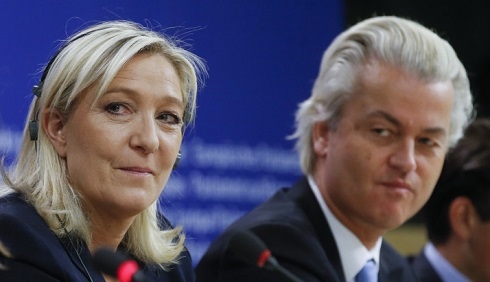
Fransız aşırı sağ Ulusal Cephe (FN) partisi başkanı Marie Le Pen ve Hollanda aşırı sağ Özgürlük Partisi lideri Geert Wilders.
Geert Wilders’in – geçen hafta yapılan Hollanda seçimini kazanarak – başı çekmesi gerekiyordu. Ama açık ara ikinci oldu. Kısa süre önce açıklanan seçim anketlerinin bayağı altında kaldı. Kurulacak hükümette yer almayacak.
Sırada Le Pen var. Avrupa’da bu yılın en önemli seçimi Fransa’da yapılacak. 23 Nisan ve 7 Mayıs’ta oylanacak iki turdan oluşuyor.
Hollanda ile Fransa arasında çok fark var. Ama Le Pen’in ders alabileceği üç nokta göze çarpıyor.
1. AB’ye vurmanın sınırları var
Brexit oylamasını izleyen günlerde Hollanda’da Avrupa kuşkucu hava güçlüydü. Seçmenin yarına yakını AB’den çıkılmasını istiyordu. Ama Brüksel karşıtı hava yumuşadı.
TNS Nipo araştırma şirketi tarafından Şubat ayında yapılan bir anket seçmenin yüzde yetmiş dokuzunun Hollanda’nın AB’den ayrılmasına karşı olduğunu ortaya koydu.
Seçim kampanyasının son bölümünde Wilders Nexit (Hollanda’nın AB’den çıkması – ç.n.) çağrısını geri çekse de artık çok geçti.
Le Pen dikkatli olmalı. Hollanda seçimi Avrupa kuşkucu adayların – bir yıl içinde – uğradıkları ikinci yenilgiydi.
Aralık ayında aşırı sağ aday Norbert Hofer başkanlık seçiminin son turunda kaybetti. Destekçileri – Hofer’in kazanması halinde Avusturya’da AB’den ayrılma referandumu düzenlenmesi gerektiğini söyleyen – Brexit yanlısı İngiliz siyasetçi Nigel Farage’ı suçladılar.
Fransa’da anketler artan bir çoğunluğun AB üyeliğinden yana olduğunu gösteriyor. Daha da yüksek bir oran Avro Bölgesinde kalınmasını istiyor.
Le Pen Frexit (Fransa’nın AB’den çıkması – ç.n.) önerisini yumuşatmaya çalışıyor. Ama seçmenin gözünde o da Avrupa kuşkuculuktan nasibini almış durumda.
Yenilenmiş frankı tek Avrupa para birimiyle birleştirme önerisi seçmenin kafasını karıştırmış görünüyor.
2. Devlet adamlığı farkı
Lahey-Ankara çekişmesinde anketler hem Wilders hem Başbakan Mark Rutte’nin puan topladığını gösteriyordu. Ama seçimi kazanan iktidardaki Rutte oldu.
Fransa’da görev süresi dolmakta olan Cumhurbaşkanı François Hollande yeniden aday olmayacak.
Ama Le Pen’in rakipleri devlet tecrübesine sahipler. François Fillon eski başbakan; Emmanuel Macron eski ekonomi bakanı.
Buna karşılık Le Pen’in yetkinliğine, profesyonelliğine ve becerisine ilişkin soru işaretleri zihinleri meşgul ediyor.
Elabe araştırma şirketinin Şubat ayında yaptığı bir ankete göre Ulusal Cephe lideri “samimiyet”, “değişim isteği”, “halkı anlama” gibi ölçütlerde yüksek beğeni alsa da seçmenin üçte ikisi onu “kaygı verici” buluyordu.
Skandallarla sarsılan Fillon da kaygı-metre ölçümüne yakalanırken Macron yüzde kırk bir gibi görece düşük bir oranda kaldı.
3. Ya hep ya hiç
Wilders kazanması öngörülen kırk sandalyeye ulaşamasa bile oylarını artırdığı için teselli bulabilir. 2012’de beş olan sandalye sayısını yirmiye çıkardı.
Ne var ki benzer bir durum Le Pen’i rahatlatmaz.
Zira Le Pen başkanlık seçimini kazanmak için ikinci turda oyların çoğunu almak zorunda.
Oysa anketler ilk turu yüzde yirmi altıyla önde bitireceğini gösterse bile ikinci turda Macron karşısında ağır bir yenilgi alacağı anlaşılıyor.
Anketler Fillon karşısında da Le Pen’e şans tanımıyor.
Haziran ayında yapılacak parlamento seçimi de fazla umut vermiyor. Hollanda’nın uyguladığı nisbi sistem Fransa’da geçerli değil.
Cumhurbaşkanlığı seçimini kazanmak dışında her sonuç Ulusal Cepheyi daha az sayıda sandalyeye mahkum edecek. Parti bir yandan da mali konulara ilişkin açılmış davalarla uğraşacak.
Nicholas Vinocur: Politico EUROPE sayfası Fransa muhabiri.
Çeviri: Dr. Ömer Aytek Kurmel
Cherkessia.net, 21 Mart 2017
***
Le Pen’s Dutch bummer
Nicholas Vinocur, March 19, 2017
3 takeaways for the French far-right leader from Europe’s first major election of 2017.
At a rally with European allies in January, French far-right leader Marine Le Pen predicted the Continent would “rise up” in 2017 as the Anglo-Saxon world had done last year by voting for Brexit and Donald Trump.
So far, the populist uprising hasn’t gone to plan. Geert Wilders was meant to lead the charge by winning last week’s Dutch parliamentary election — but he came in a distant second, far below his poll numbers from only a few weeks ago, and will have no role in the next government.
Le Pen herself is next into ring, in the most important European vote this year: France’s presidential election, which takes place over two rounds on April 23 and May 7.
There are many differences between the Netherlands and France but as Le Pen and her staff examine the Dutch vote, here are three sobering conclusions they may draw.
1. EU-bashing has its limits
The Dutch were in a tetchily Euroskeptic mood in the days after Britain’s Brexit vote, with nearly half saying they wanted out of the EU. But the anti-Brussels mood has since cooled. A poll by TNS Nipo for Deutsche bank in February showed a whopping 79 percent of Dutch voters did not agree the Netherlands would be better off outside the EU.
In the final stretch of campaigning, Wilders tried to roll back his call for a Nexit referendum. It was too late.
Le Pen should take note. The Dutch vote marks the second time in a year that a Euroskeptic candidate came up short on polling day. Last December, far-right candidate Norbert Hofer lost Austria’s presidential run-off. His supporters blamed arch-Brexiteer Nigel Farage for suggesting that Austria would hold a referendum on leaving the EU if Hofer won.
Given that polls in France show a rising majority in favor of EU membership, and an even higher share in favor of staying in the euro, Le Pen is trying to tone down her own Frexit proposal. Yet she, too, is branded with the Euroskeptic seal, and her efforts to change tack with a plan that would somehow combine a revived franc with a single European currency have left voters confused.
2. Statesmanship sells
At the height of a standoff between The Hague and Ankara over campaigning for next month’s Turkish referendum, polls showed both Wilders and Dutch Prime Minister Mark Rutte winning points. But it was Rutte who ultimately faced down Turkey, giving him the kind of boost an incumbent often wins in a time of a crisis.
In France, outgoing President François Hollande is not running for reelection. But concerns about competence, professionalism and executive skill have long dogged Le Pen, who faces former Prime Minister François Fillon and ex-presidential aide turned economy minister Emmanuel Macron in the race for the presidency.
While voters rate the National Front president very highly on metrics such as “sincerity,” “desire to change” or ability to “understand them,” nearly two thirds of voters said that she was “worrying,” according to an Elabe poll conducted in February. The scandal-tainted Fillon also rated highly on the worry-meter, while Macron registered lower at 41 percent, according to the poll.
3. It’s all or nothing
Although Wilders fell far short of the 40 seats polls suggested he could win just a few weeks ago, he can at least take some comfort from having made gains. His party’s total of 20 seats was up five on the last election in 2012.
This consolation prize offers no solace for Le Pen.
In the presidential election, she must secure a majority of votes in the second-round run-off to get to the Elysée Palace. And while polls consistently predict she will top the first round with about 26 percent of the vote, they all show her losing heavily in the run-off to Macron. If Fillon shakes off scandal to make it to the run-off instead of Macron, she is still predicted to lose.
Even the parliamentary election due in June may not offer much consolation. Unlike the Netherlands, France does not use a proportional voting system and the National Front has long struggled to win a significant number of seats in parliament.
Anything less than victory in the presidential election would leave her National Front scrambling for a small number of seats — while fighting a number of pending legal cases related to the party’s financing.
PoliticoEUROPE reporter covering France.


2 ay sonra avrupa'da çuvallayacak olan 2 liderden biri Le Pen olacak diğerini tahmin edin. Dün Rusya'ya gidip Putin'den bahse girerim suyunu çeken kampanyasına euro desteği istedi. Tipleri bile sevimsiz şu ikilinin. Wilders'i Hollanda'dan dehlemezlerse yuh onlara.
25 Mart 2017 Cumartesi Saat 15:49